Wonders of Energy: 3-8 Science Unit Study
Basic Information
- Title: Wonders of Energy
- Subtitle: 3-8 Science Unit Study
- Subject: Science Education - Physics/Energy
- Grade Level: 3-8
- Type: Science Unit Study/Curriculum
- Series: The Good and the Beautiful Science Unit Studies
- Publisher: The Good and the Beautiful
Description
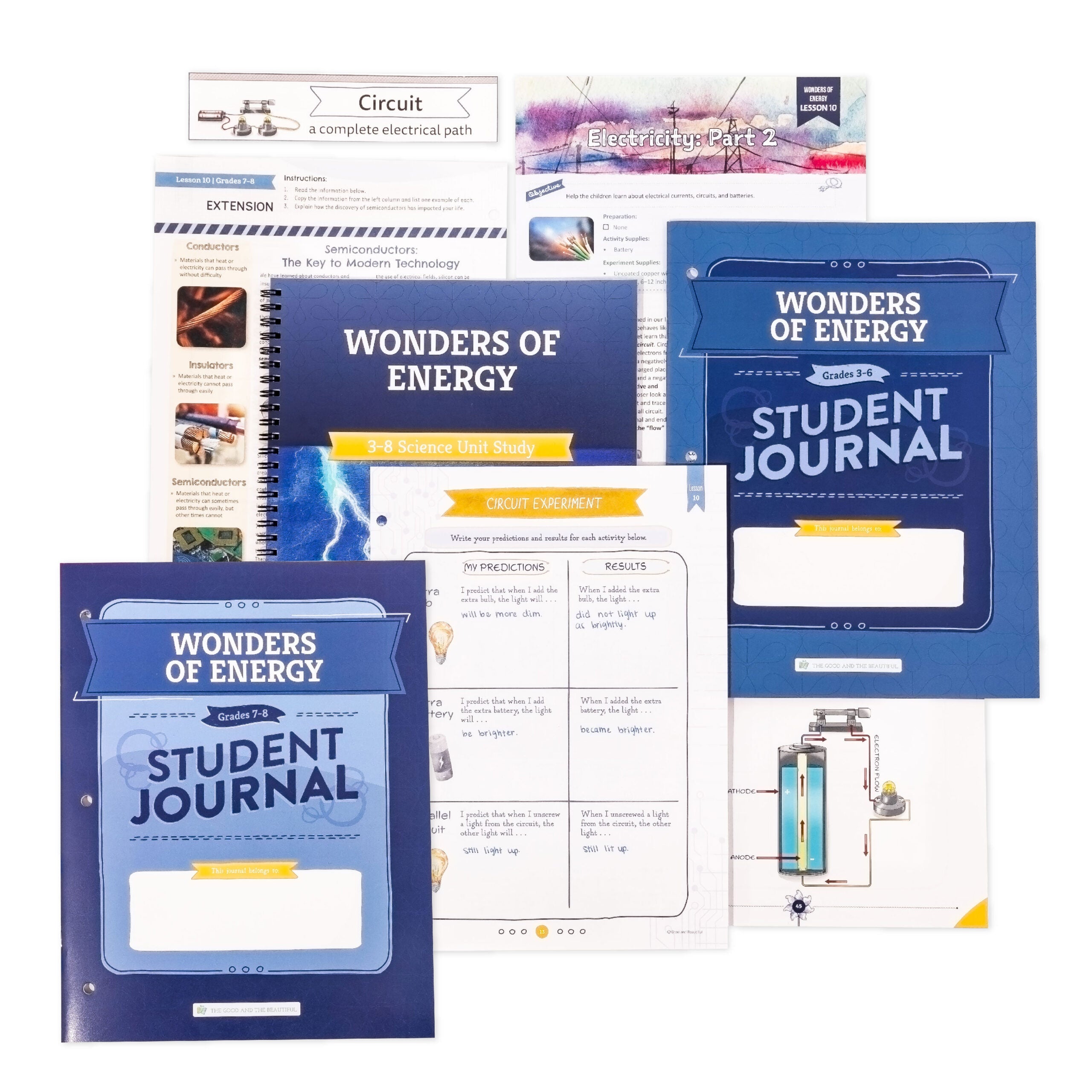
Wonders of Energy is a comprehensive, faith-based science unit study designed to introduce students in grades 3-8 to the fascinating world of energy and its many forms. This curriculum emphasizes beauty, goodness, and truth while maintaining rigorous scientific standards. The unit study explores essential energy concepts through a combination of direct instruction, hands-on experiments, real-world applications, and engaging themes that connect energy science to nature, engineering, and daily life.
Content Areas
This comprehensive energy science unit study covers:
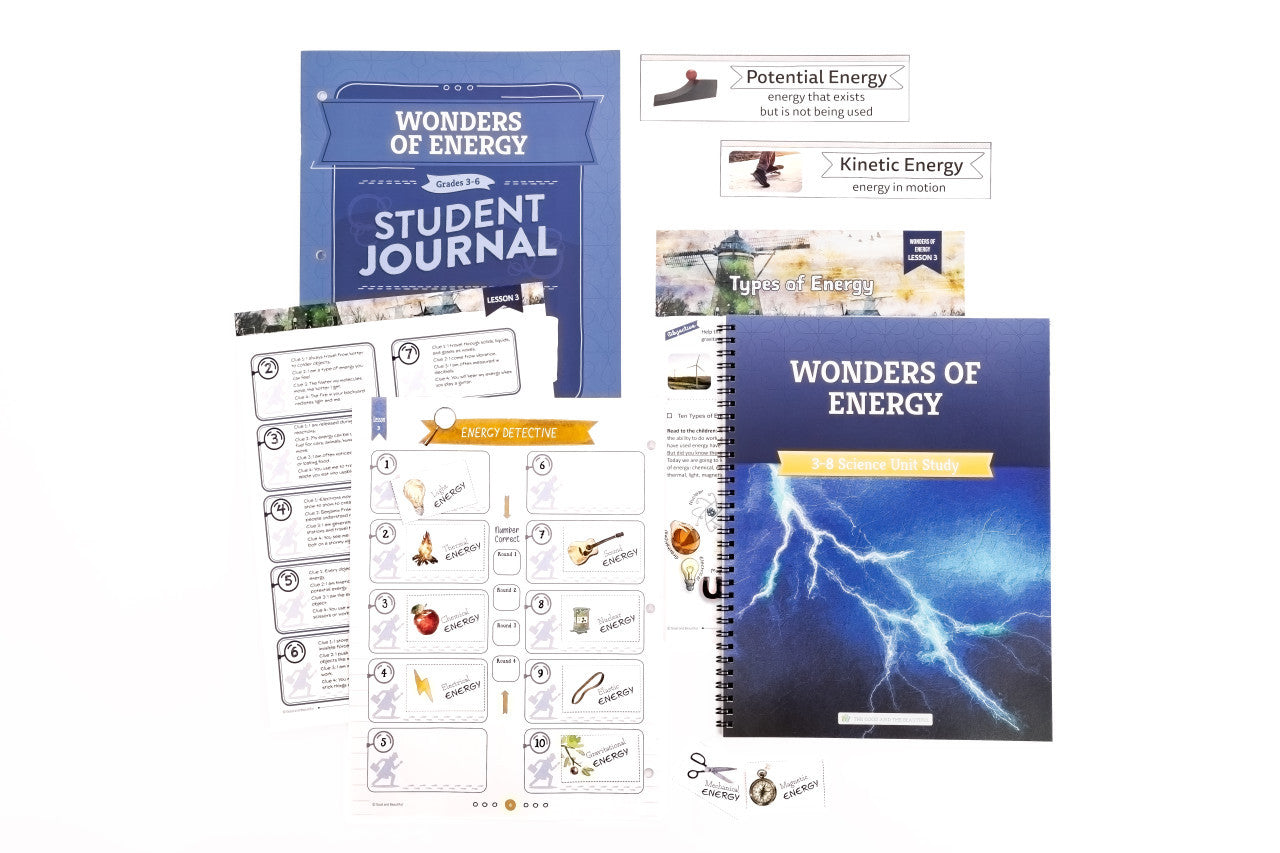
- Forms of Energy: Kinetic energy, potential energy, thermal energy, electrical energy, chemical energy, and nuclear energy
- Energy Transformation: How energy changes from one form to another in various systems
- Heat and Temperature: Understanding thermal energy, heat transfer, and temperature measurement
- Light and Sound: Properties of light waves, reflection, refraction, sound waves, and vibration
- Electrical Energy: Basic electrical concepts, circuits, conductors, and insulators
- Mechanical Energy: Motion, work, simple machines, and mechanical advantage
- Energy Conservation: The law of conservation of energy and sustainable energy practices
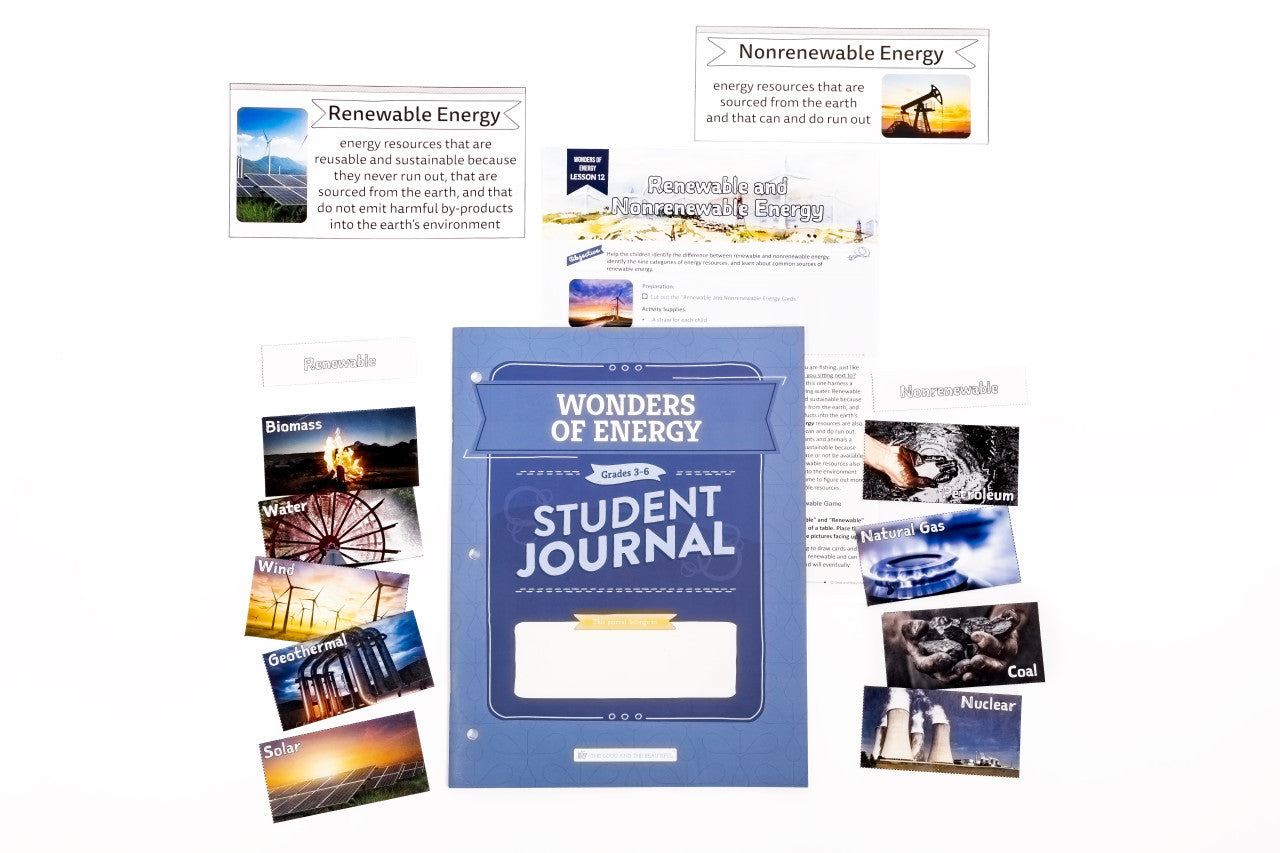
- Real-World Applications: Energy in nature, renewable vs. non-renewable energy sources, and energy efficiency
Educational Approach
- Format: Multi-lesson unit study with structured lesson sequence
- Target Audience: Elementary and middle school students (typically ages 8-14)
- Learning Style: Hands-on experiments, direct instruction, real-world applications, and spiritual integration
- Assessment: Includes observation activities, experiment recordings, and unit assessments
- Total Estimated Time: 6-8 weeks (flexible pacing)
- Recommended Schedule: 3-4 sessions per week, 45-60 minutes per session
- Family-Style Learning: Designed for multi-level teaching with adaptations for different grade levels
Course Structure
Unit Components
The curriculum comprises multiple lessons covering different aspects of energy, each building upon previous concepts and leading to a comprehensive understanding of energy in the natural world.
Lesson Components
- Lesson Introduction: Overview of the energy concept being studied
- Video Content: Educational videos demonstrating energy principles and experiments
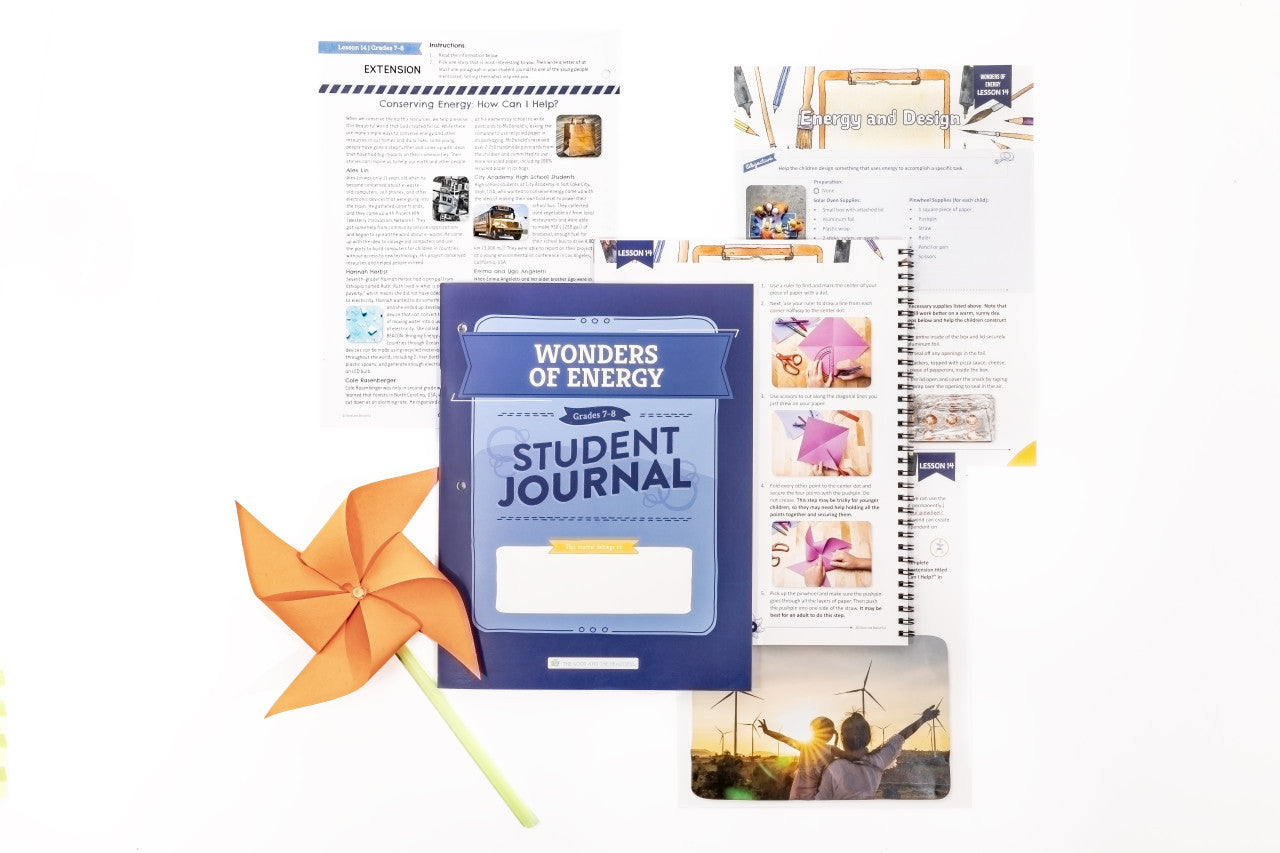
- Hands-On Experiments: Safe, engaging experiments to demonstrate energy concepts
- Observation Activities: Guided observations of energy in the natural world
- Student Journal Work: Recording observations, drawing diagrams, and answering comprehension questions
- Vocabulary Building: Key scientific terminology related to energy concepts
Lesson Breakdown
1. Introduction to Energy
Time: 1-2 weeks Content:
- What is energy?
- Forms of energy in everyday life
- Energy observation activities
- Basic energy vocabulary
2. Kinetic and Potential Energy
Time: 1-2 weeks Content:
- Understanding motion and stored energy
- Experiments with moving objects
- Height and gravitational potential energy
- Energy conversion demonstrations
3. Heat and Thermal Energy
Time: 1-2 weeks Content:
- Temperature vs. heat
- Heat transfer methods (conduction, convection, radiation)
- Thermal energy experiments
- Insulation and heat retention
4. Light Energy
Time: 1-2 weeks Content:
- Properties of light
- Reflection and refraction
- Color and light spectrum
- Light sources and shadows
5. Sound Energy
Time: 1-2 weeks Content:
- How sound travels
- Vibration and sound waves
- Pitch and volume
- Sound experiments and observations
6. Electrical Energy
Time: 1-2 weeks Content:
- Basic electrical concepts
- Simple circuits
- Conductors and insulators
- Electrical safety
7. Energy in Nature and Conservation
Time: 1-2 weeks Content:
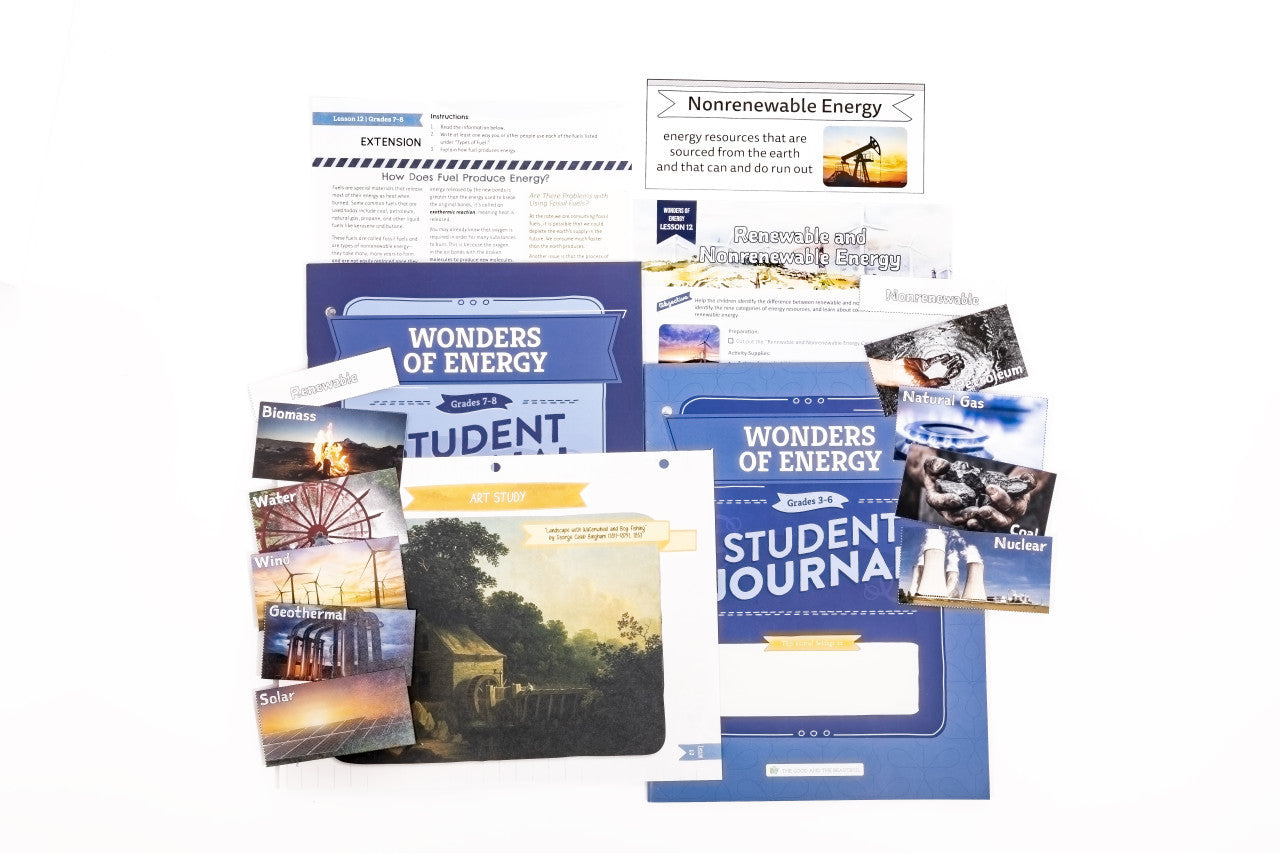
- Renewable vs. non-renewable energy
- Solar, wind, and water energy
- Energy conservation practices
- Stewardship of natural resources
Additional Materials and Resources
Included Materials
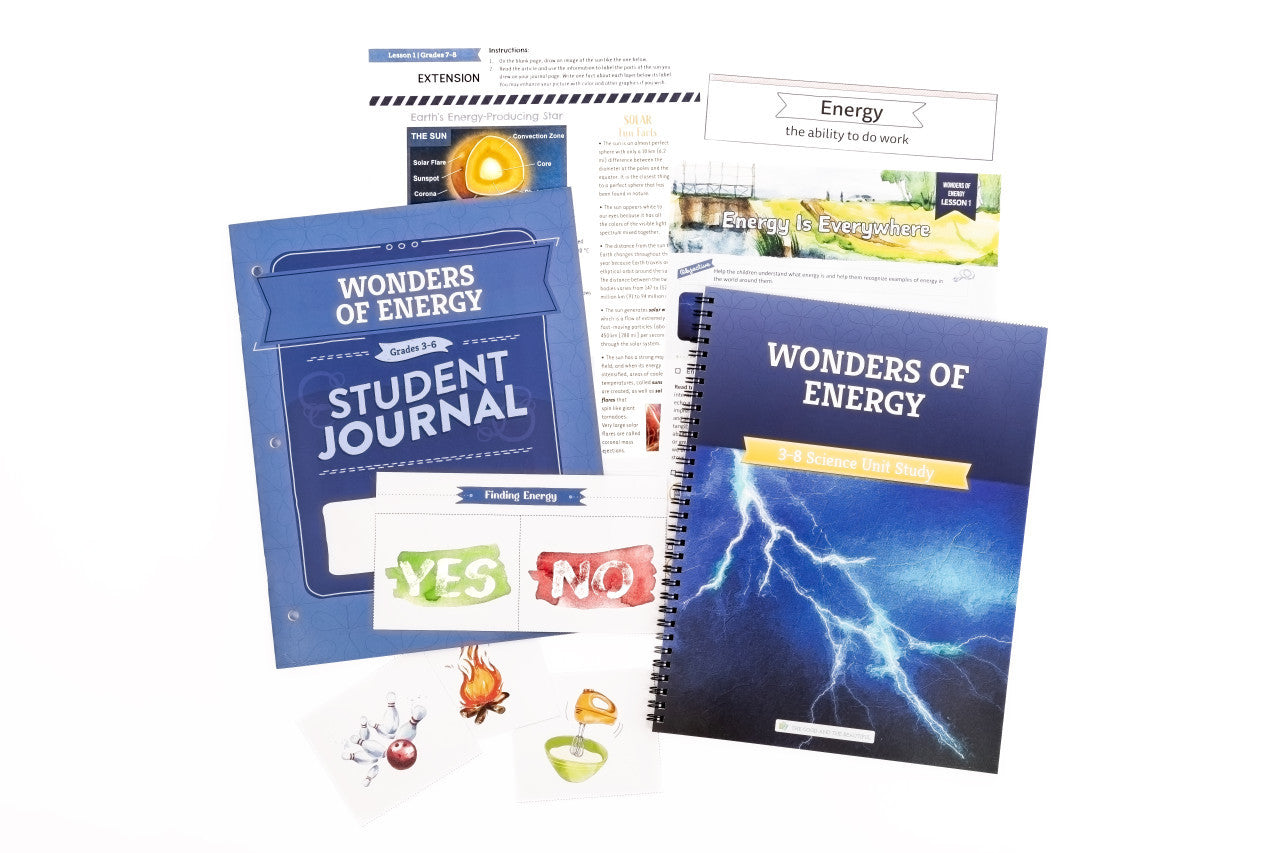
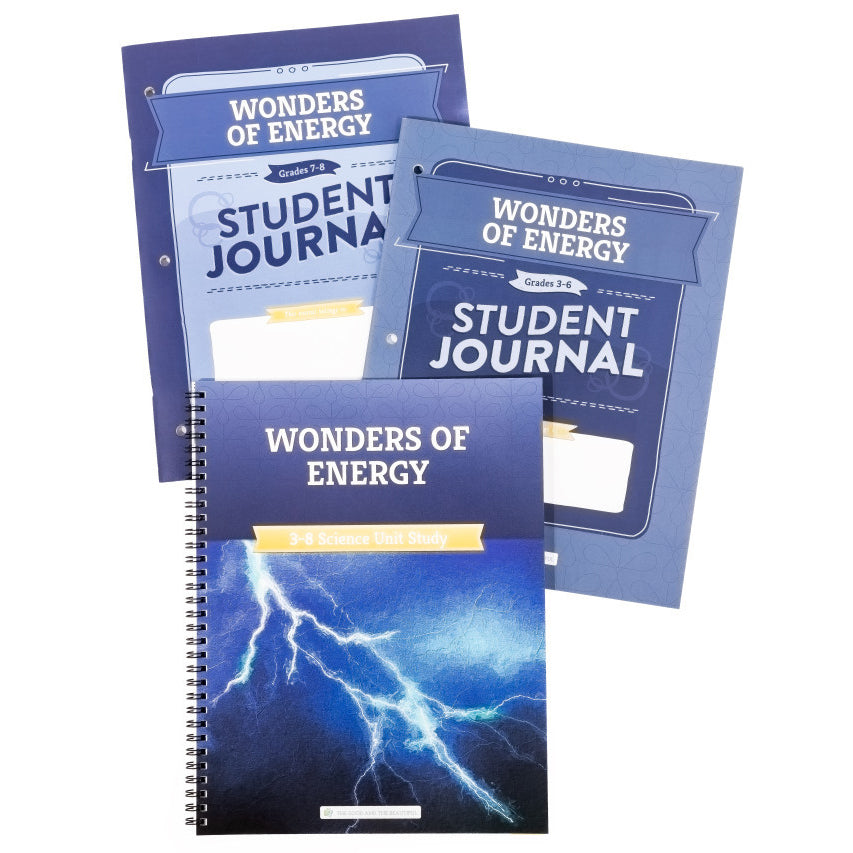
- Unit Study Book: Comprehensive guide with all lesson plans and instructions
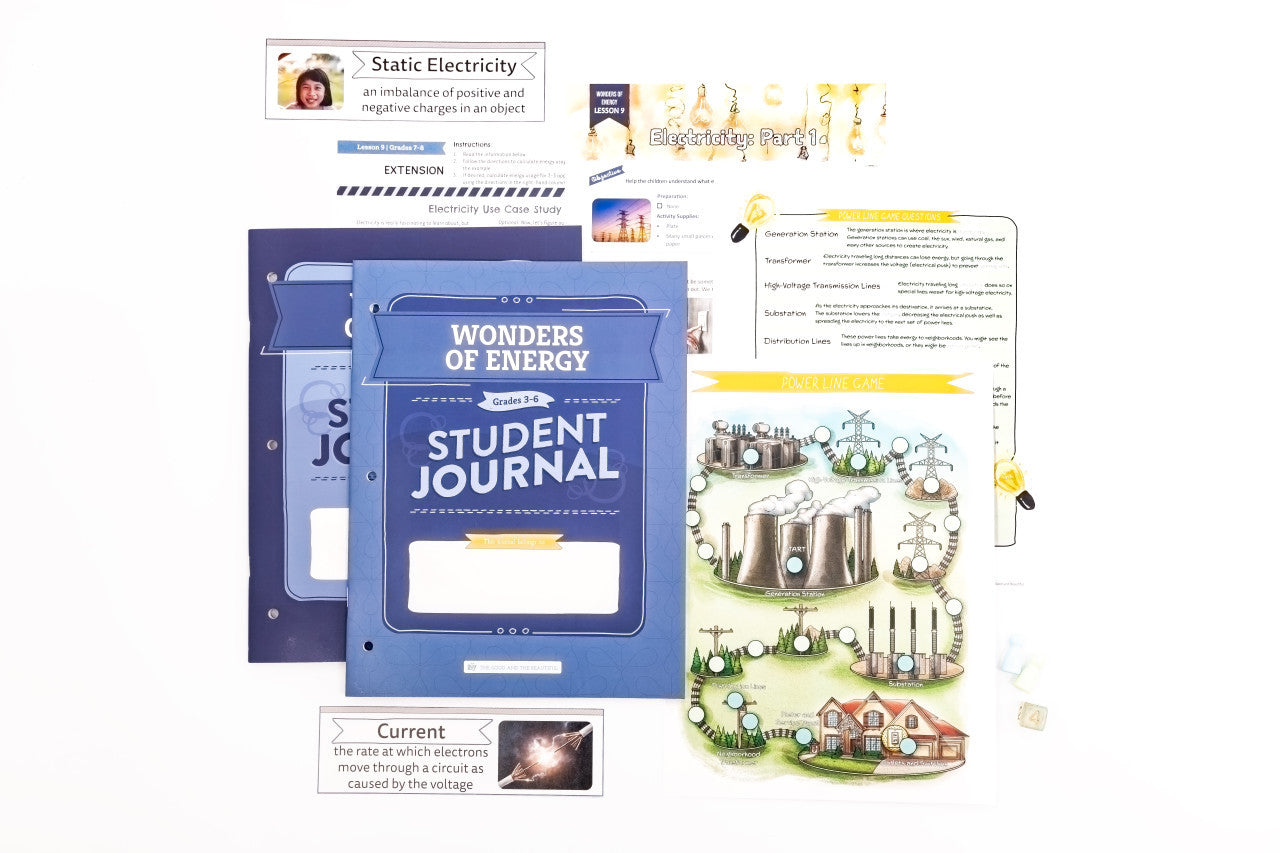
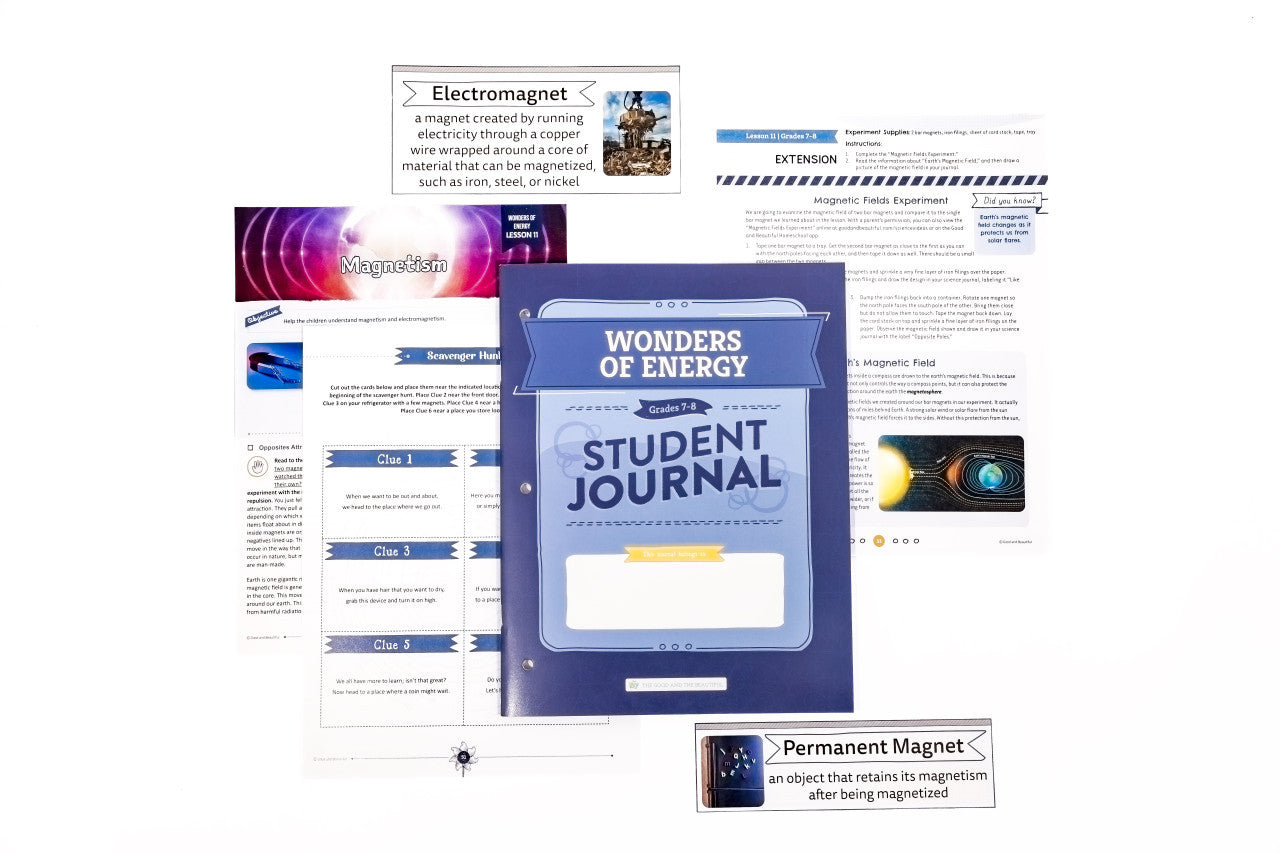
- Student Journal Pages: Age-appropriate worksheets and recording sheets for each grade level
- Vocabulary Cards: Pre-cut vocabulary words for science wall display
- Experiment Instructions: Step-by-step guides for all hands-on activities
- Access to Unit Videos: Complementary videos available through The Good and Beautiful Homeschool app or website
Required Supplies (Not Included)
- Basic household items for experiments (varies by lesson)
- Thermometer
- Small flashlight
- Mirrors
- Magnifying glass
- Balloons
- Rubber bands
- String or yarn
- Small balls or marbles
- Batteries and wire (for electrical experiments)
- Safety materials (safety glasses when appropriate)
Optional Enhancements
- Science Notebook: For older students to record detailed observations and experiments
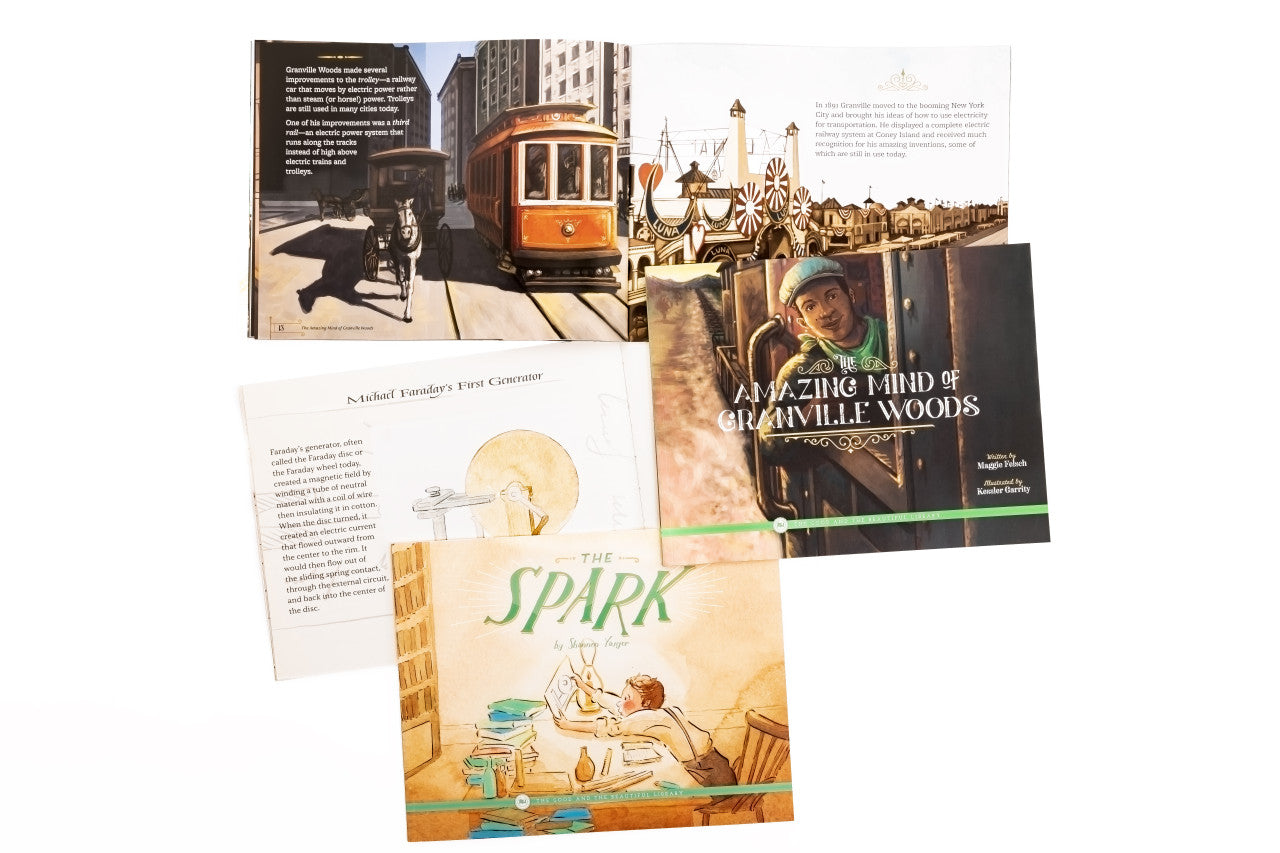
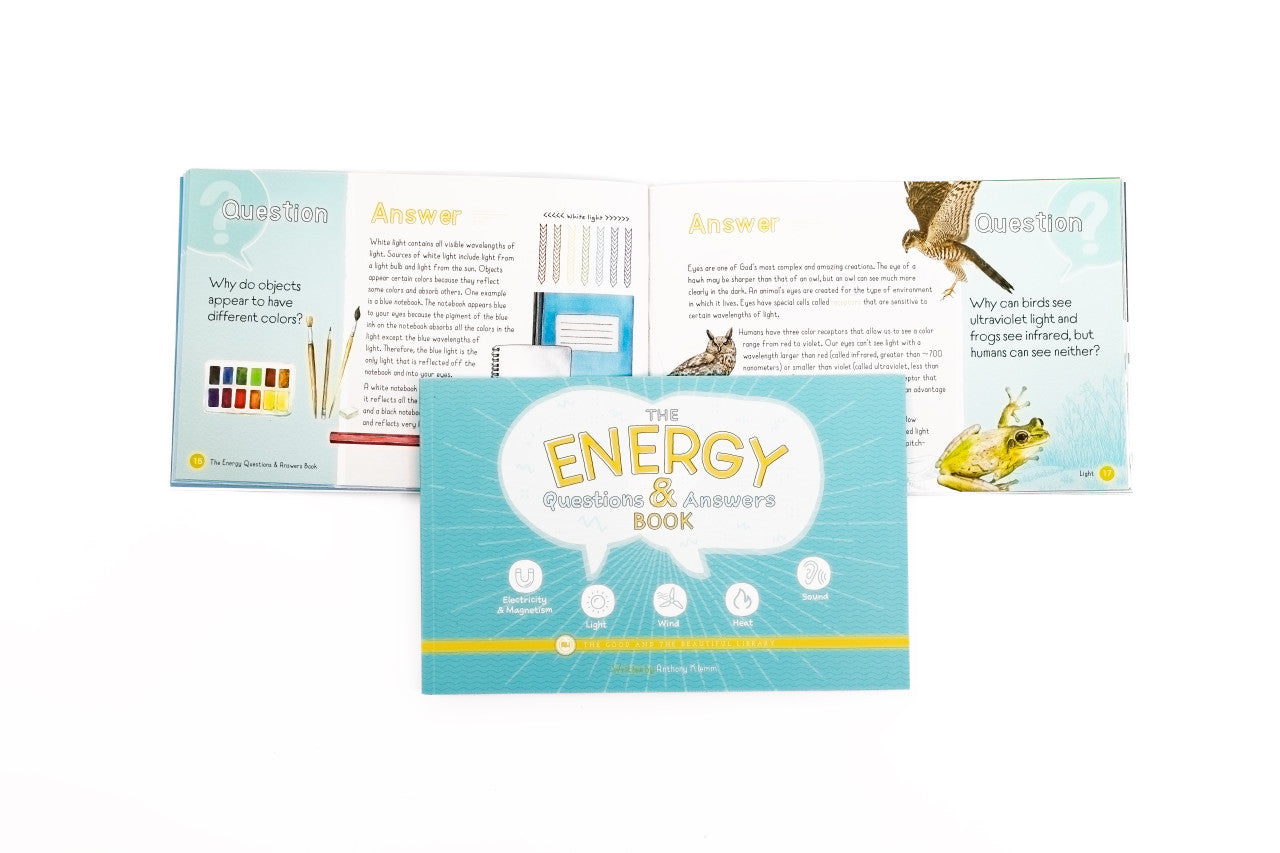
- Energy Books: Additional reading materials about energy and physics
- Documentary Resources: Educational videos about renewable energy and conservation
- Field Trip Opportunities: Visits to science museums, power plants, or renewable energy sites
- Advanced Experiments: Additional activities for gifted or highly interested students
- Art Integration: Creating visual representations of energy concepts through art projects
Total Course Statistics
- Total Duration: 6-8 weeks (flexible pacing)
- Total Lessons: 12-16 lessons depending on depth and extension activities
- Total Sessions: 18-32 sessions
- Total Hours: 20-35 hours of instruction and experimentation
- Hands-On Experiments: 15-20 engaging experiments and demonstrations
- Assessment Points: Ongoing observation and end-of-unit evaluation
- Video Lessons: Multiple short videos demonstrating key concepts
Course Availability
- Physical Copies: Available for purchase through The Good and the Beautiful store
- Digital Resources: Video content available through The Good and Beautiful Homeschool app
- Support Materials: Additional resources and experiment guides available online
- Family-Style Design: One unit study book serves the entire family with differentiated student journals
Notes
- The curriculum is designed for family-style learning, accommodating multiple grade levels simultaneously
- Experiments are designed to be safe and use common household materials when possible
- The unit emphasizes both scientific understanding and stewardship of God's creation
- Flexible pacing allows families to spend more time on concepts that particularly interest their students
- Real-world connections help students see energy concepts in their daily lives
- The curriculum encourages observation skills and scientific thinking
- Adult supervision is recommended for all experiments, with specific safety notes provided