Health and the Human Mind: 3-8 Science Unit Study
Basic Information
- Title: Health and the Human Mind
- Subtitle: 3-8 Science Unit Study
- Subject: Health Science/Psychology
- Grade Level: 3-8 (Ages 8-14)
- Type: Science Unit Study
- Series: The Good and the Beautiful Science Series
- Publisher: The Good and the Beautiful
Description
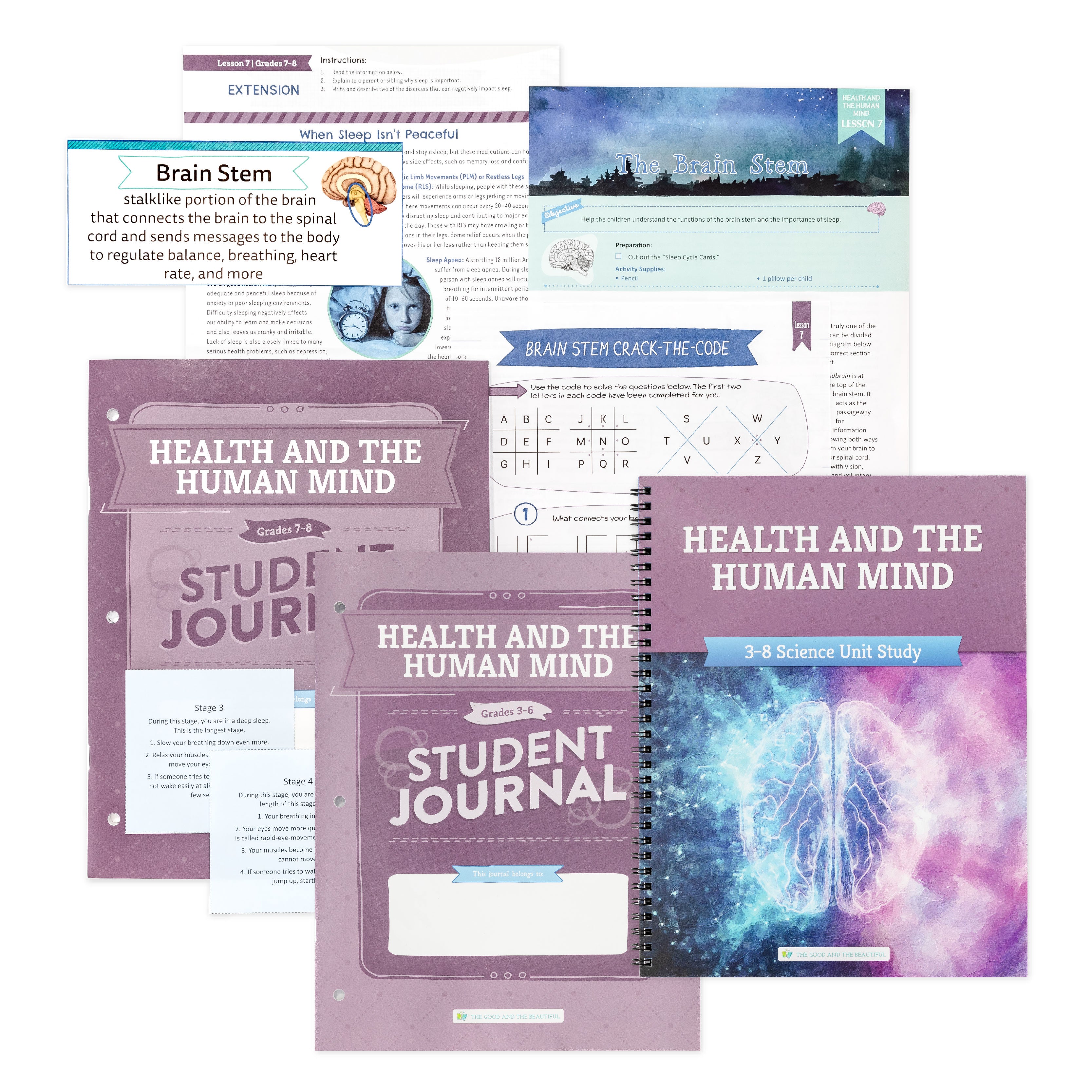
Health and the Human Mind: 3-8 Science Unit Study is a comprehensive educational program that explores the fascinating connection between mental health, emotional well-being, and physical health. This unit study introduces students to basic neuroscience, psychology, and mental health concepts in an age-appropriate manner while emphasizing character development and positive mental health practices.
Content Areas
This comprehensive health science unit covers:
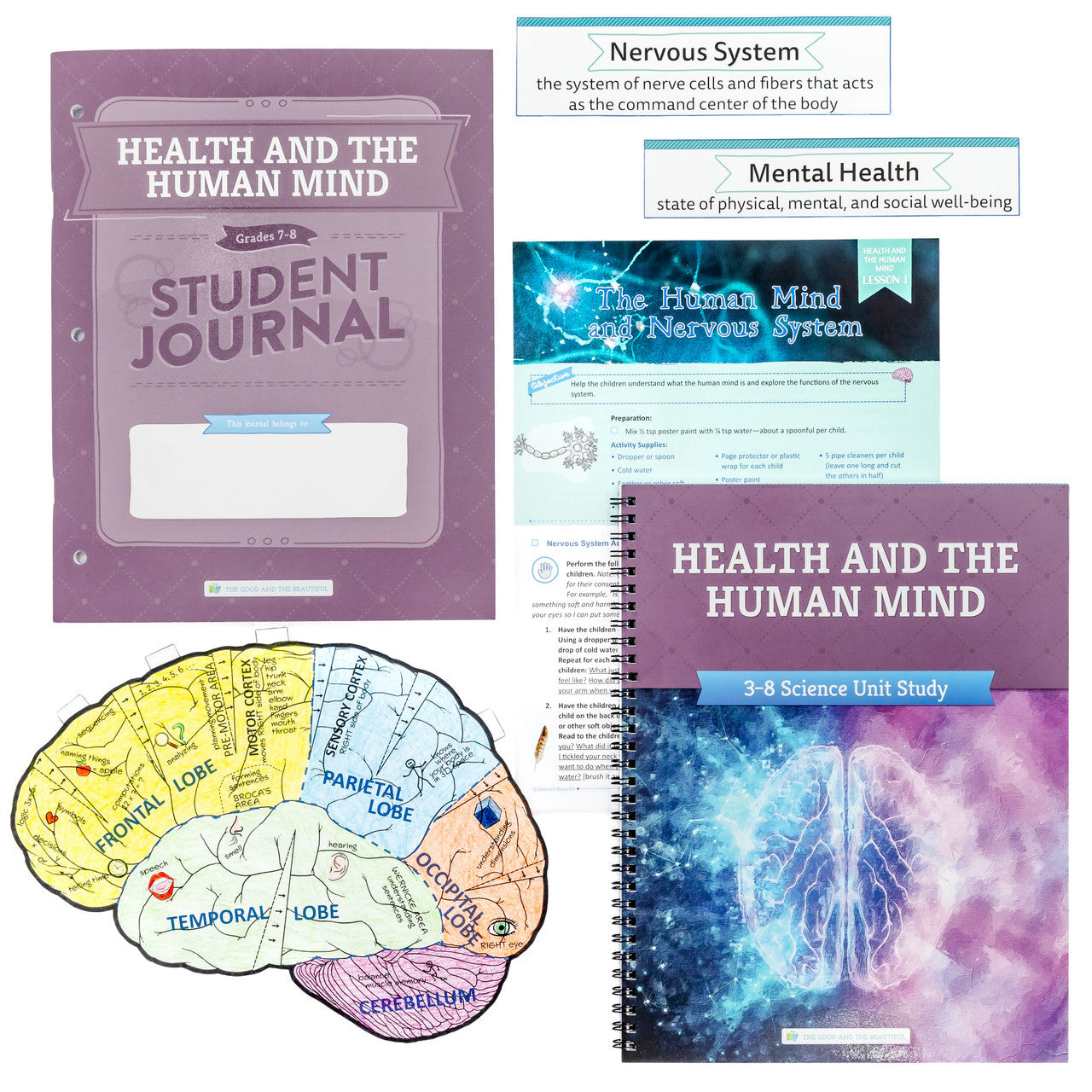
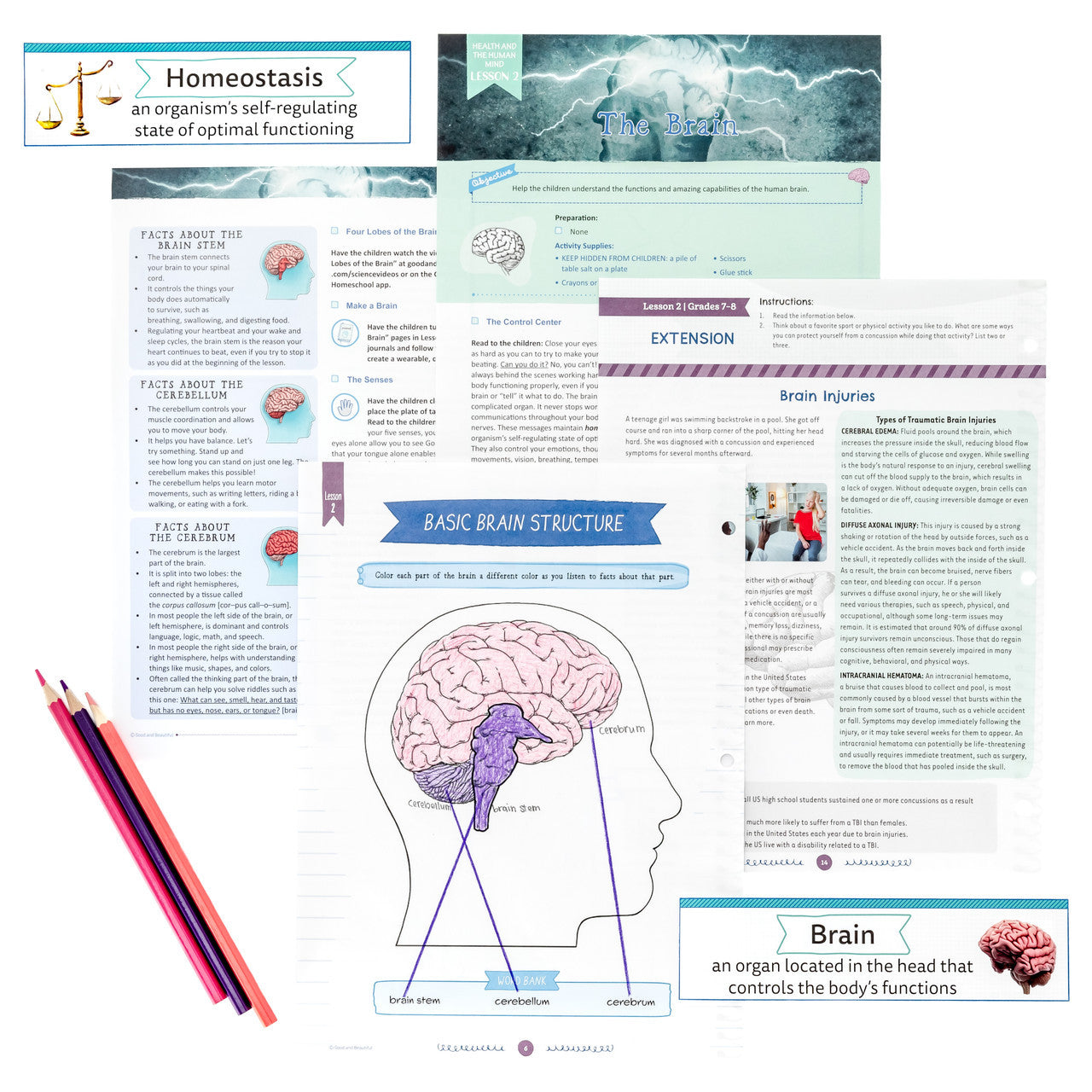
- Brain Anatomy: Basic structure and function of the human brain
- Nervous System: How the nervous system works and connects to behavior
- Emotions and Feelings: Understanding emotional responses and regulation
- Mental Health: Positive mental health practices and awareness
- Stress Management: Healthy coping strategies and stress reduction
- Learning and Memory: How the brain processes and stores information
- Character Development: Building positive character traits and habits
- Healthy Relationships: Social and emotional intelligence
Educational Approach
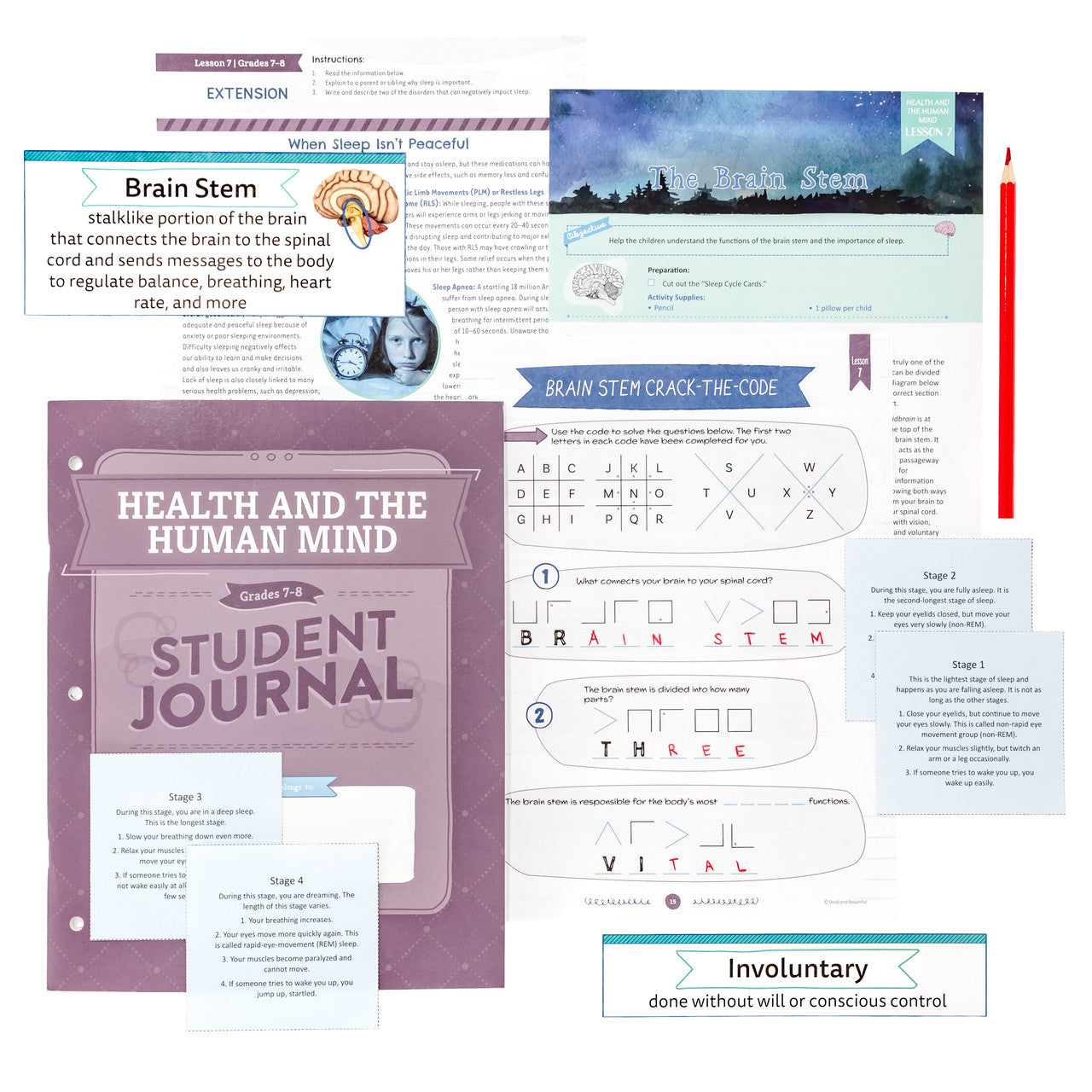
- Format: Unit study with structured lessons and interactive activities
- Target Audience: Students in grades 3-8 (typically ages 8-14)
- Learning Style: Scientific exploration combined with personal application
- Assessment: Includes reflection activities, projects, and discussions
- Hands-On Learning: Brain models, experiments, and demonstrations
- Character Integration: Moral and ethical development throughout
Course Structure
Unit Components
The curriculum comprises multiple interconnected topics:
- Biological Foundation: Brain structure and nervous system function
- Emotional Intelligence: Understanding and managing emotions
- Mental Wellness: Practices for maintaining mental health
- Learning Optimization: Strategies for effective learning and memory
- Character Building: Development of positive traits and habits
Lesson Components
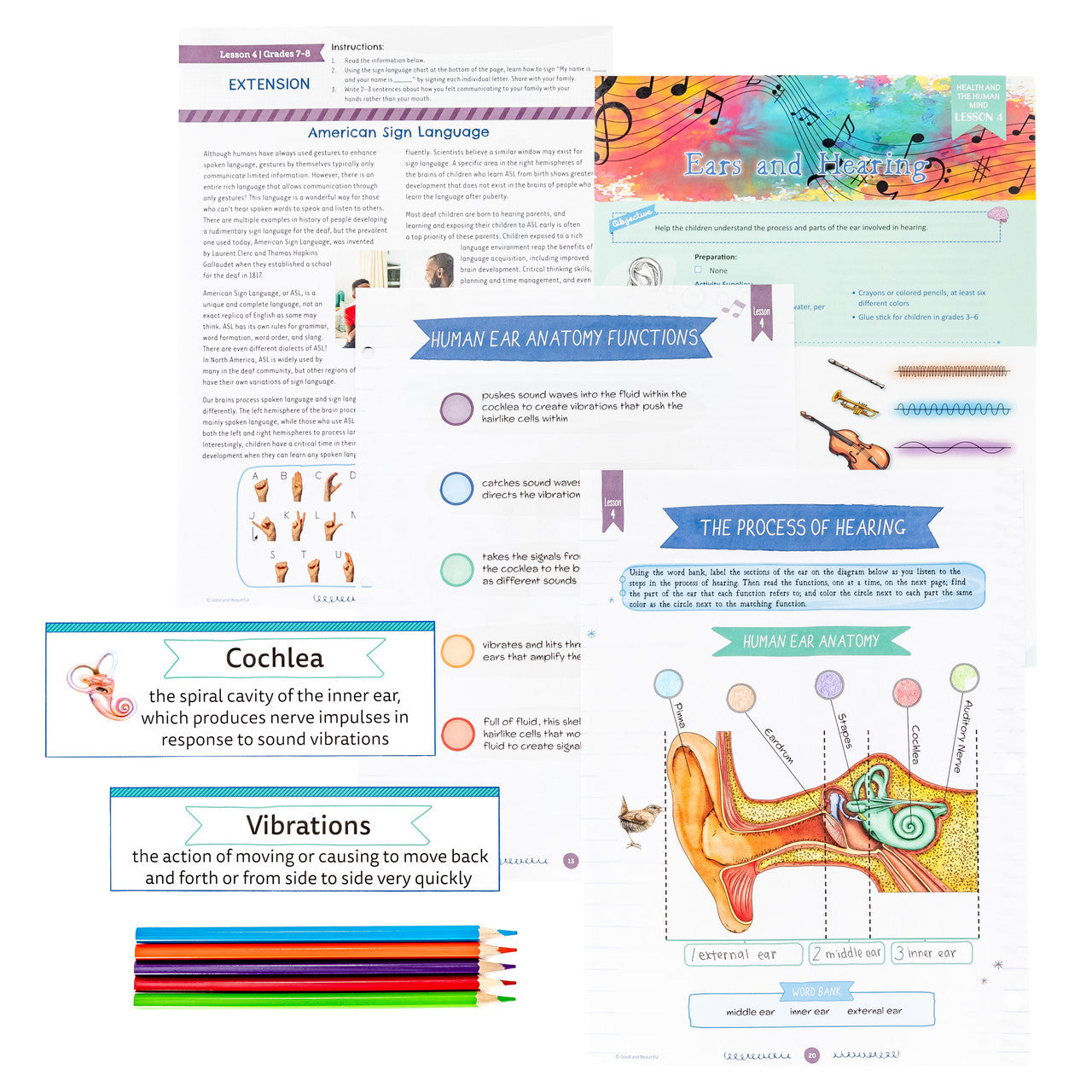
- Scientific Content: Age-appropriate neuroscience and psychology concepts
- Practical Application: Real-world application of mental health principles
- Character Lessons: Integration of character development
- Reflection Activities: Personal application and self-assessment
- Interactive Experiments: Hands-on brain and behavior demonstrations
Educational Benefits
Scientific Understanding
- Brain Literacy: Basic understanding of brain function and structure
- Health Awareness: Knowledge of mental health and wellness practices
- Scientific Thinking: Observation and analysis of behavior and cognition
- Body Systems: Understanding mind-body connections
Personal Development
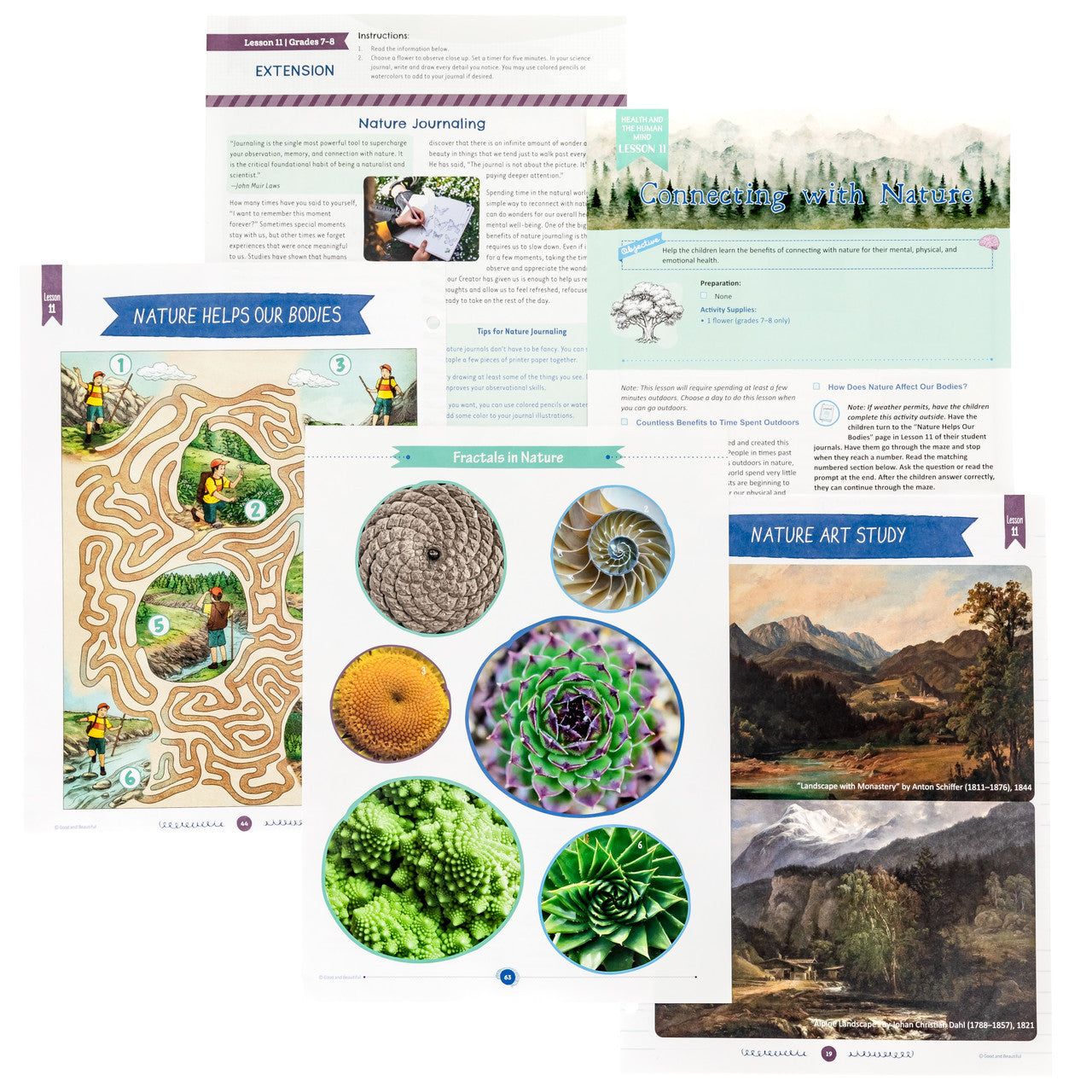
- Emotional Regulation: Skills for managing emotions and stress
- Self-Awareness: Understanding personal thoughts and feelings
- Healthy Habits: Development of positive mental health practices
- Resilience: Building coping skills and emotional strength
- Character Growth: Development of positive character traits
Additional Materials and Resources
Included Materials
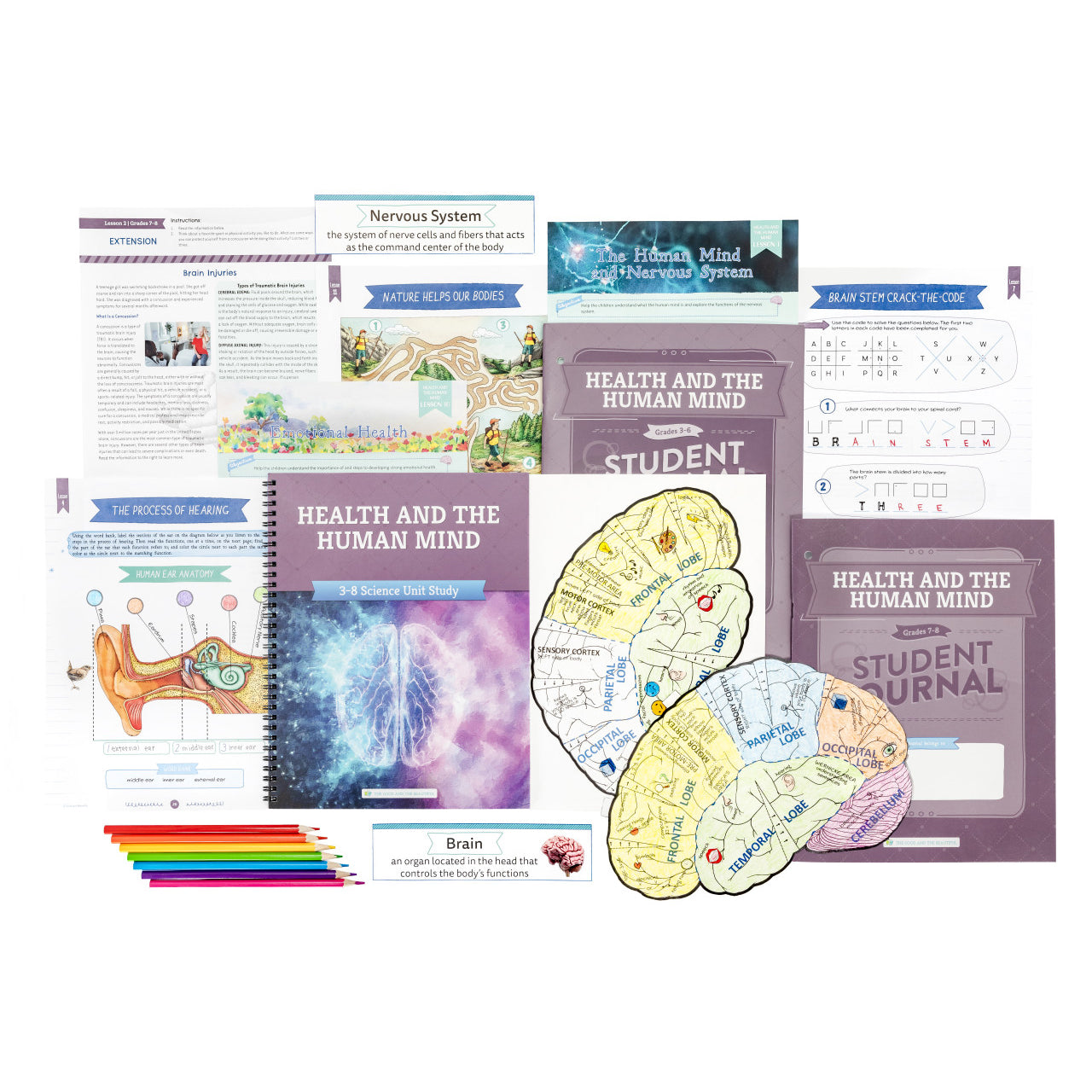
- Student Workbook: Comprehensive lessons and activities
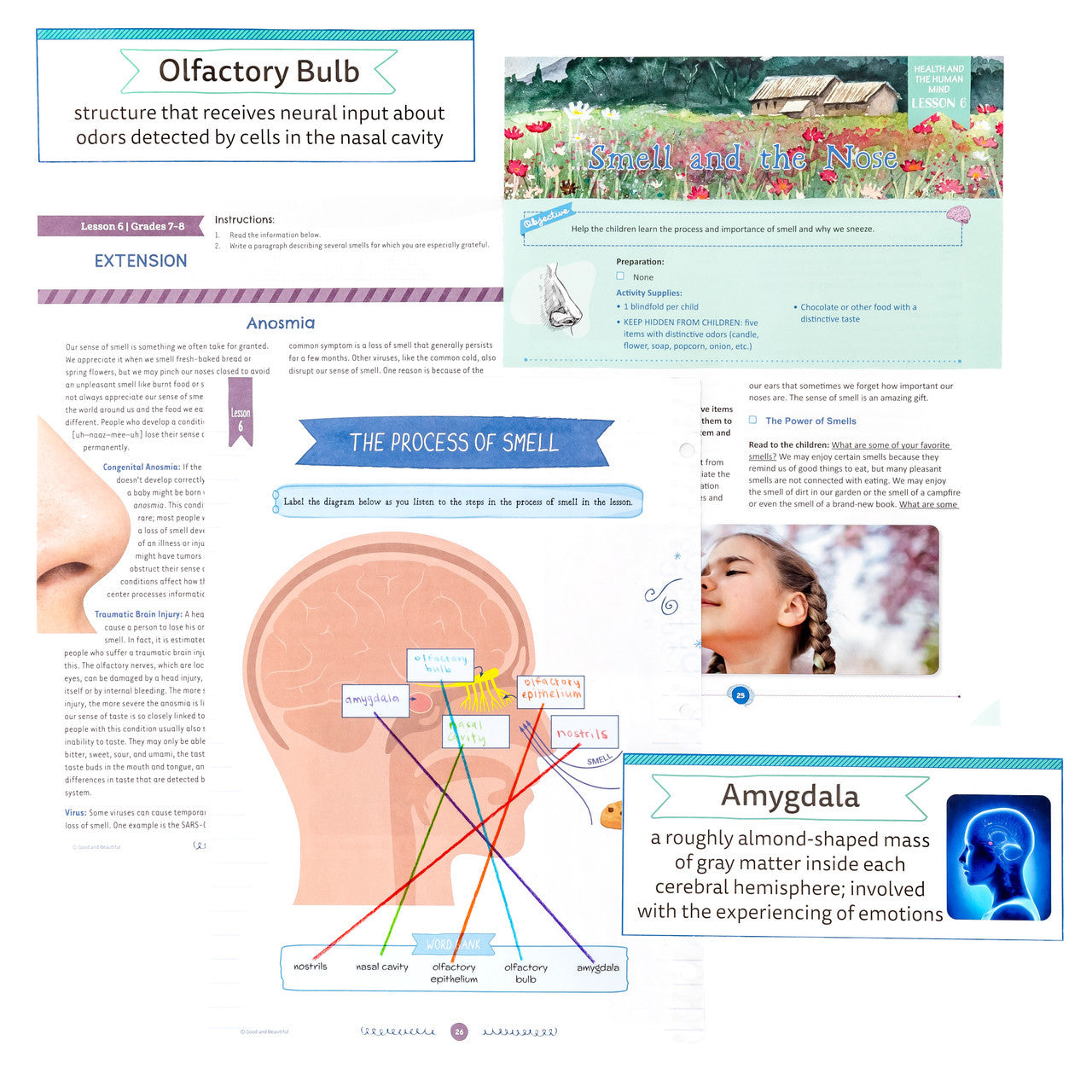
- Brain Diagrams: Visual aids for understanding brain structure
- Activity Guides: Hands-on experiments and demonstrations
- Reflection Journals: Tools for personal growth and self-assessment
Required Supplies
- Basic School Supplies: Notebook, pencils, colored pencils
- Art Materials: For brain diagrams and creative projects
- Model Materials: Clay or other materials for brain modeling
- Reference Books: Age-appropriate books on brain science
Optional Enhancements
- Brain Models: 3D models for enhanced visual learning
- Educational Videos: Supplementary video content on brain science
- Guest Speakers: Mental health professionals or neuroscientists
- Field Trips: Science museums or health education centers
Course Structure Details
1. Introduction to the Brain and Nervous System
Time: 2-3 weeks Content:
- Basic brain anatomy and function
- Nervous system overview
- Brain-body connections
- Introduction to neurons
2. Emotions and Mental Health
Time: 3-4 weeks Content:
- Understanding emotions and feelings
- Emotional regulation strategies
- Mental health awareness
- Positive thinking practices
3. Learning and Memory
Time: 2-3 weeks Content:
- How the brain learns and remembers
- Memory strategies and techniques
- Learning styles and preferences
- Brain-based learning principles
4. Character and Relationships
Time: 2-3 weeks Content:
- Character development and moral reasoning
- Social and emotional intelligence
- Healthy relationship skills
- Community and service
Course Availability
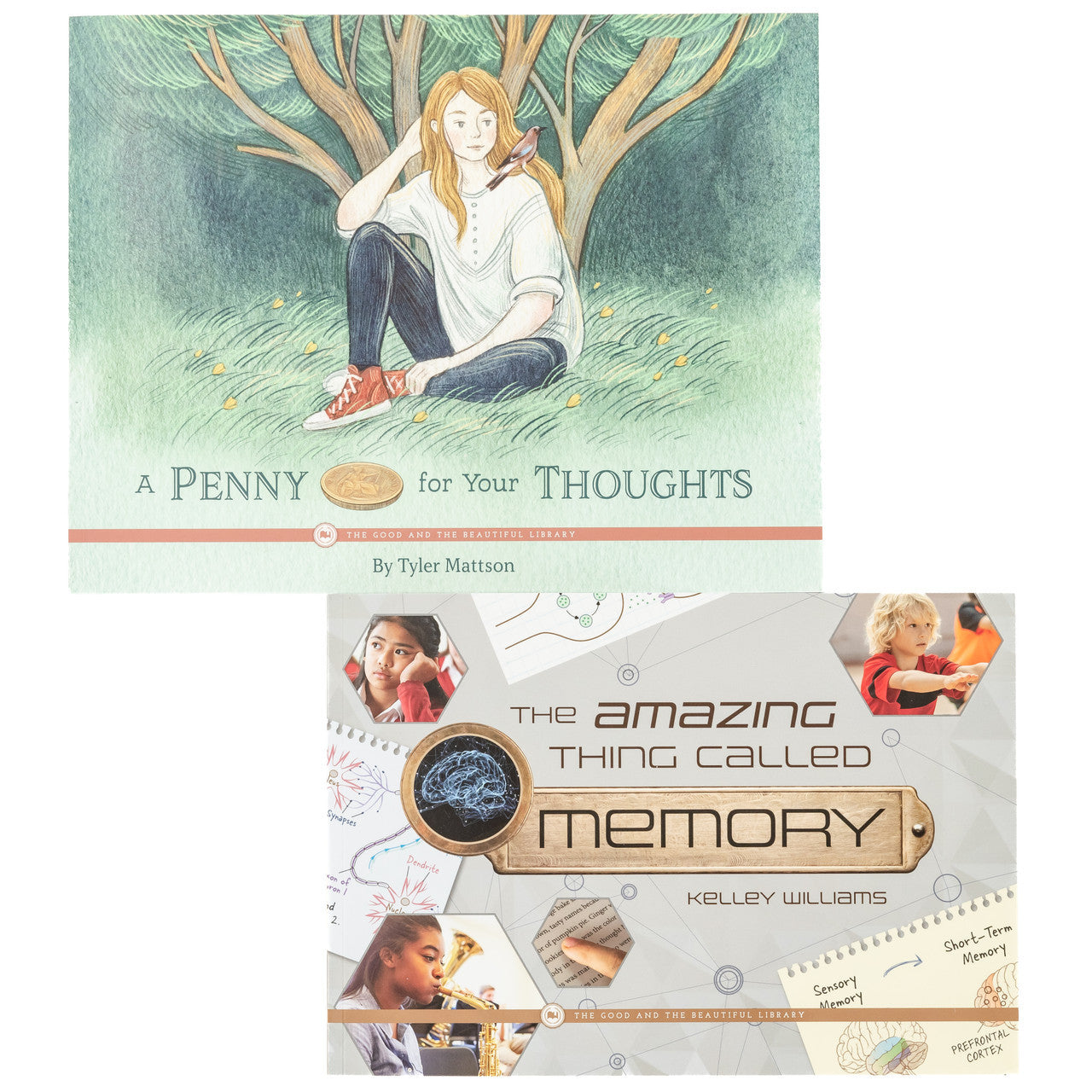
- Free Resources: Available through The Good and the Beautiful website
- Physical Copies: Printed materials available for purchase
- Digital Access: Online resources and supplementary materials
- Parent Guides: Support materials for instructors
Notes
- Designed for both homeschool and classroom environments
- Emphasizes positive mental health and character development
- Age-appropriate introduction to complex psychological concepts
- Integrates scientific learning with personal growth
- Encourages family discussion about mental health and wellness
- Adaptable to various learning styles and needs
Links
- The Good and the Beautiful Official Website
- Science Unit Studies
- Contact publisher for current availability and detailed curriculum information
- Mental health resources for families and educators