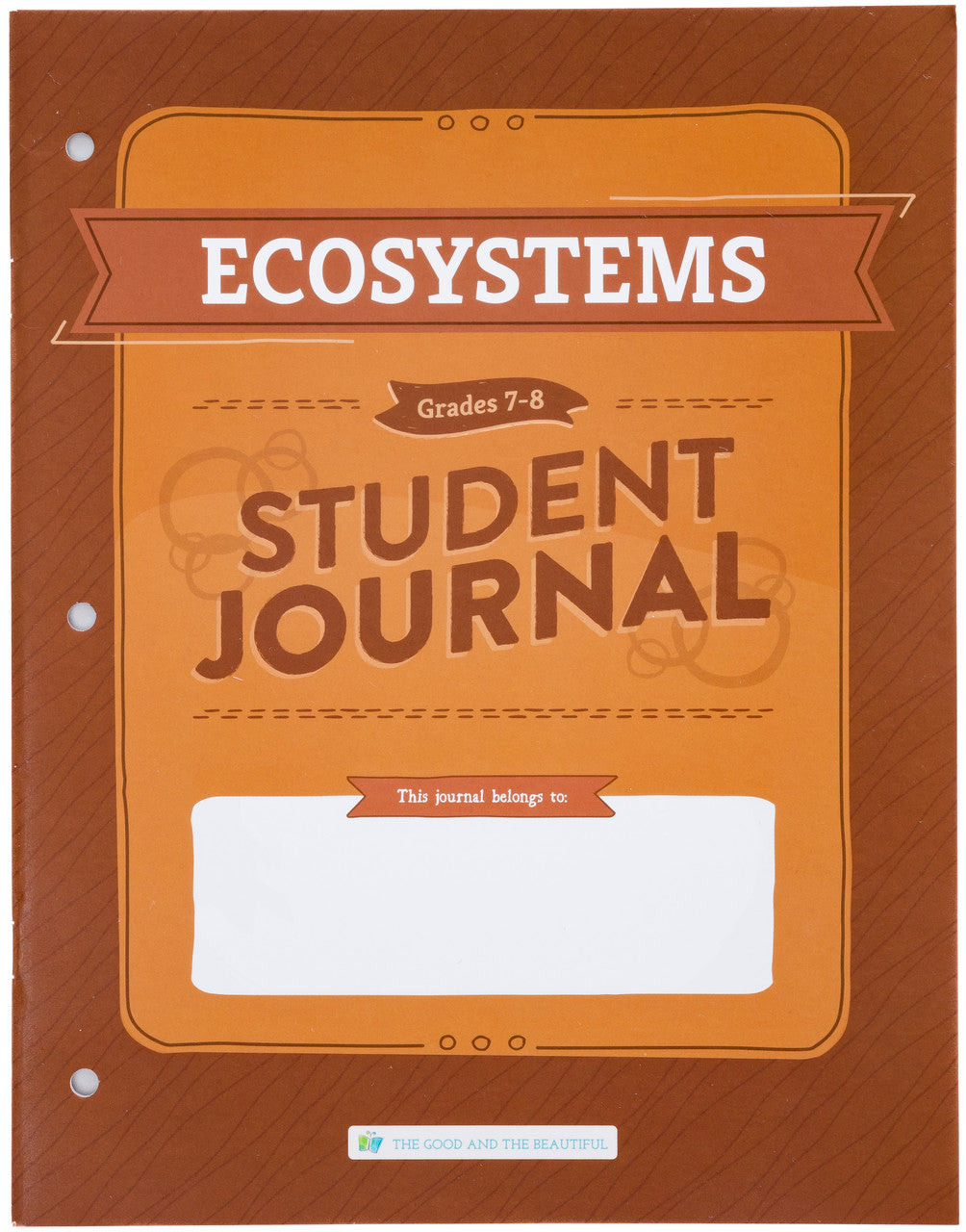
Ecosystems: Science Unit Study
Basic Information
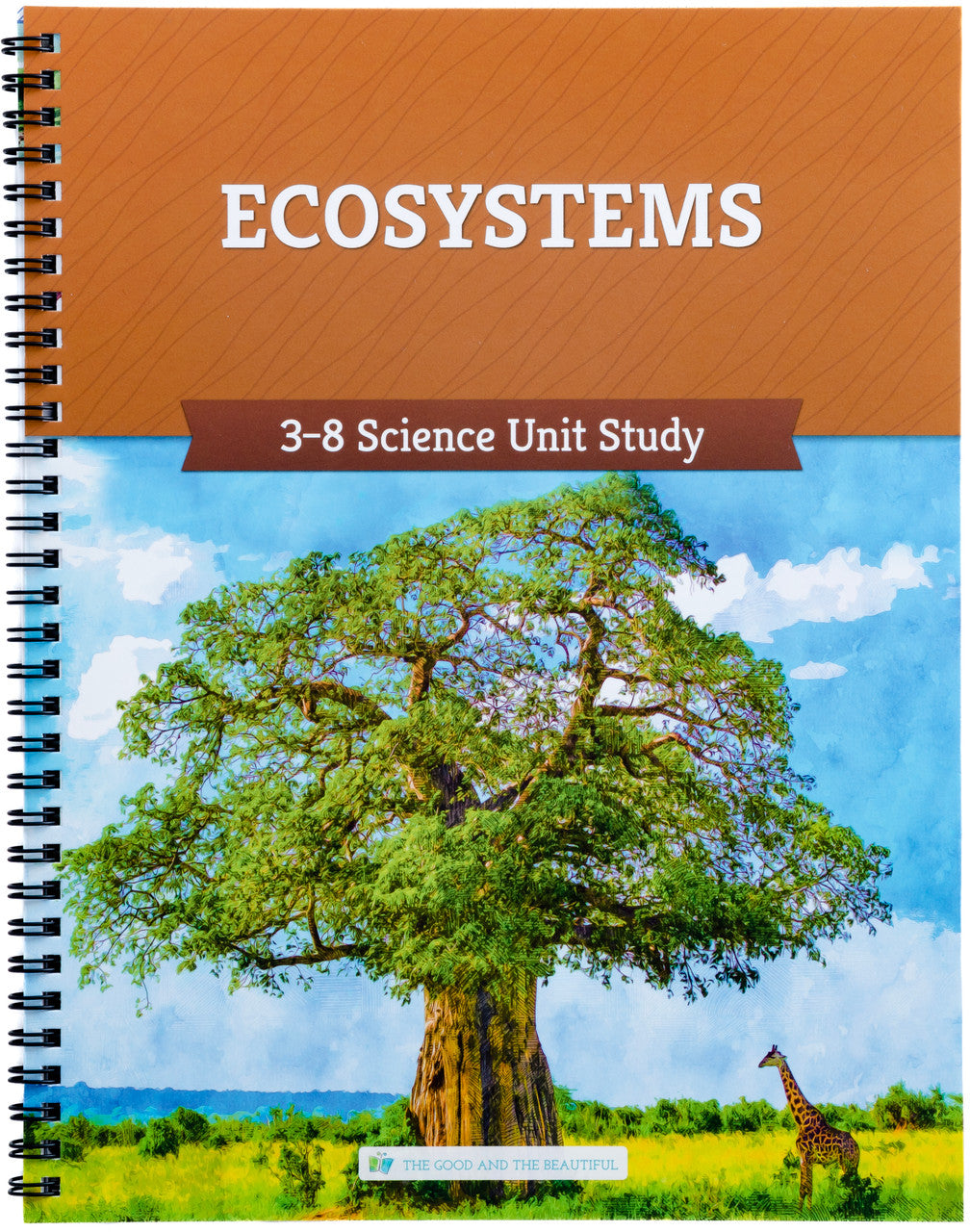
- Title: Ecosystems
- Subtitle: Science Unit Study
- Subject: Environmental Science/Ecology
- Grade Level: 3-8 (Ages 8-14)
- Type: Science Unit Study
- Series: The Good and the Beautiful Science Series
- Publisher: The Good and the Beautiful
Description
Ecosystems: Science Unit Study is a comprehensive educational program that explores the intricate relationships between living organisms and their environments. This unit study introduces students to ecological principles, environmental conservation, and the interconnectedness of life on Earth through hands-on activities, field studies, and scientific observation.
Content Areas
This comprehensive ecology unit covers:
- Ecosystem Components: Biotic and abiotic factors in ecosystems
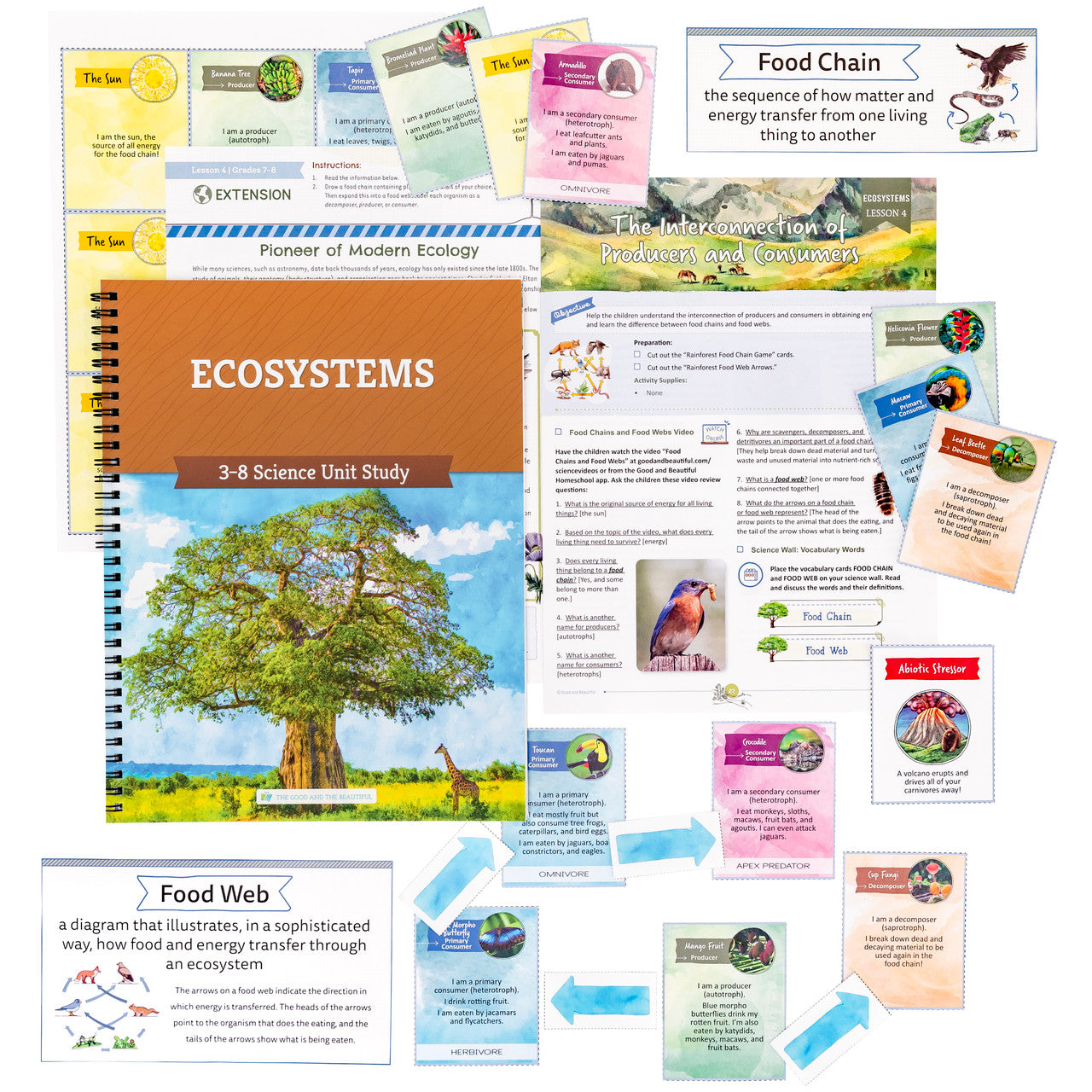
- Food Chains and Webs: Energy flow and feeding relationships
- Habitats and Niches: How organisms fit into their environments
- Biodiversity: Variety of life and species interactions
- Cycles in Nature: Water, carbon, nitrogen, and other biogeochemical cycles
- Human Impact: Effects of human activities on ecosystems
- Conservation: Protecting and preserving natural environments
- Field Study Techniques: Observing and documenting ecosystem components
Educational Approach
- Format: Unit study with structured lessons and outdoor investigations
- Target Audience: Students in grades 3-8 (typically ages 8-14)
- Learning Style: Field-based learning with scientific observation and documentation
- Assessment: Includes ecosystem projects, field journals, and conservation proposals
- Hands-On Learning: Outdoor exploration and ecosystem modeling
- Environmental Stewardship: Developing care and responsibility for the environment
Course Structure
Unit Components
The curriculum comprises comprehensive ecosystem study:
- Ecosystem Fundamentals: Basic principles of ecology and environmental science
- Local Ecosystems: Study of nearby natural environments
- Global Ecosystems: Major biomes and their characteristics
- Human Interactions: Understanding human impact on natural systems
- Conservation Practices: Methods for protecting and restoring ecosystems
Lesson Components
- Theoretical Foundation: Understanding ecological principles and concepts
- Field Investigations: Outdoor observation and data collection
- Laboratory Activities: Indoor experiments and ecosystem modeling
- Data Analysis: Recording and interpreting environmental data
- Conservation Projects: Practical applications of environmental stewardship
Educational Benefits
Scientific Understanding
- Ecological Literacy: Understanding relationships between organisms and environments
- Systems Thinking: Recognizing interconnections and dependencies in nature
- Environmental Awareness: Knowledge of environmental issues and solutions
- Scientific Method: Field research techniques and data collection
- Biodiversity Appreciation: Understanding the value of species diversity
Environmental Stewardship
- Conservation Mindset: Developing care and responsibility for the environment
- Sustainability Awareness: Understanding sustainable practices and their importance
- Action-Oriented Learning: Implementing conservation projects and solutions
- Global Citizenship: Recognizing environmental connections across the planet
- Future Planning: Considering long-term environmental impacts and solutions
Additional Materials and Resources
Included Materials
- Student Workbook: Comprehensive lessons and field study guides
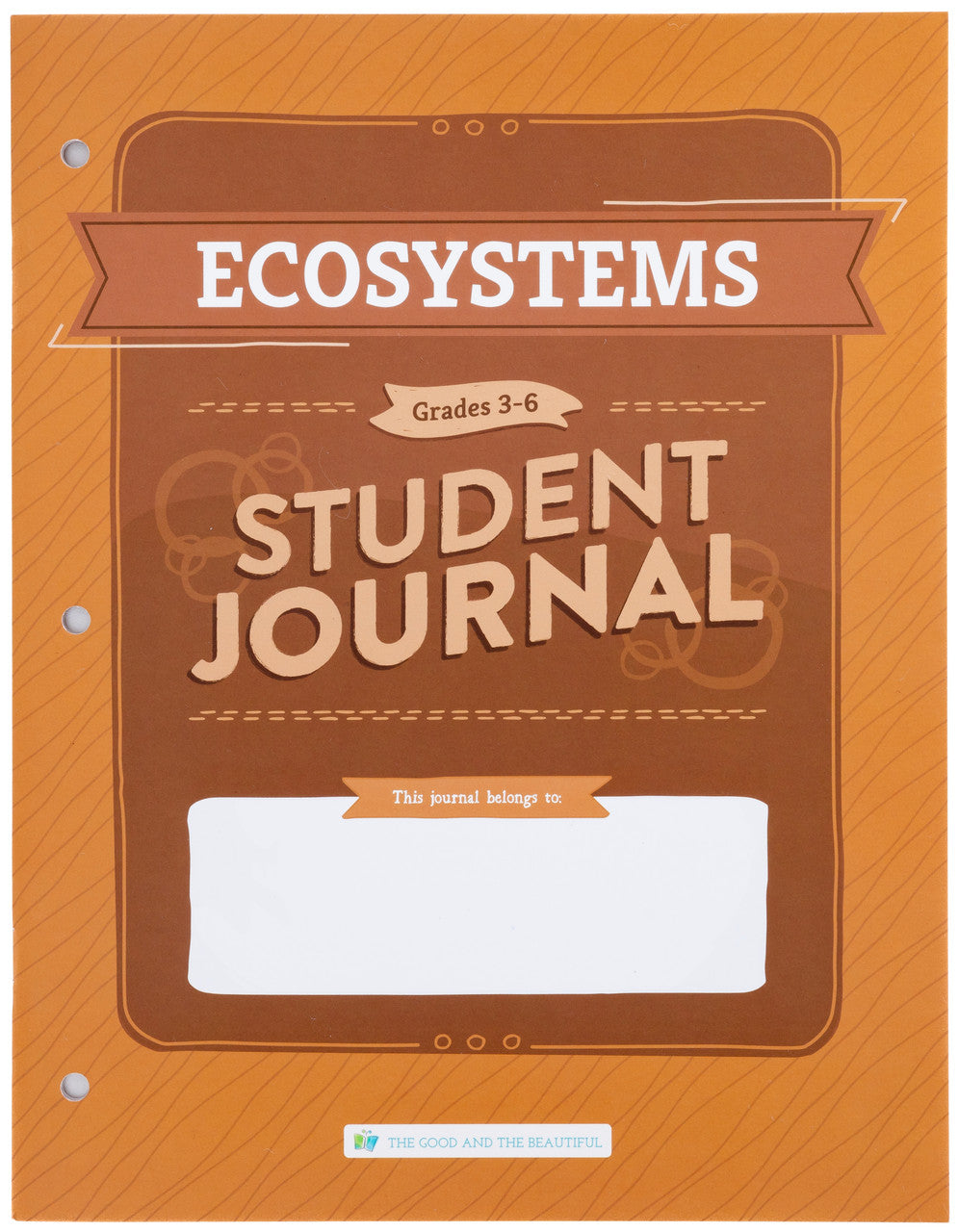
- Field Journal: Tools for recording observations and data
- Identification Guides: Charts and keys for identifying local species
- Activity Instructions: Detailed procedures for experiments and projects
Required Supplies
- Field Equipment: Magnifying glasses, binoculars, collection containers
- Measurement Tools: Thermometers, pH test kits, measuring tapes
- Documentation Materials: Cameras, sketch pads, colored pencils
- Safety Equipment: First aid kit, sun protection, appropriate clothing
Optional Enhancements
- Advanced Equipment: Digital cameras, GPS units, water testing kits
- Reference Materials: Field guides, ecosystem identification books
- Technology Integration: Apps for species identification and data collection
- Field Trips: Nature centers, wildlife refuges, environmental education centers
Course Structure Details
1. Introduction to Ecosystems
Time: 2-3 weeks Content:
- What are ecosystems and how they function
- Biotic and abiotic components
- Energy flow and matter cycling
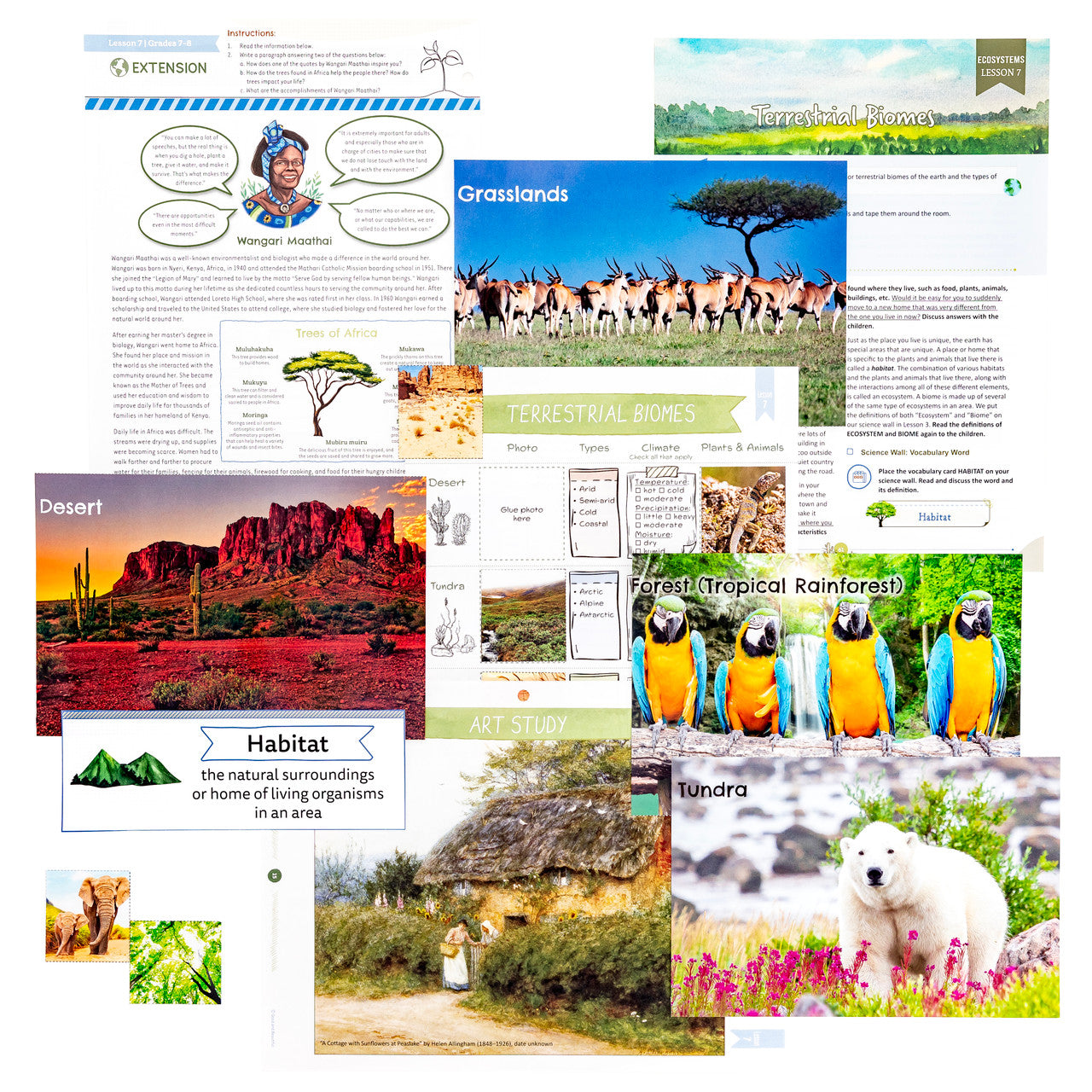
- Types of ecosystems and biomes
2. Local Ecosystem Study
Time: 4-5 weeks Content:
- Identifying local ecosystem types
- Field observation techniques
- Species identification and documentation
- Measuring environmental factors
3. Food Webs and Energy Flow
Time: 3-4 weeks Content:
- Producer, consumer, and decomposer roles
- Food chains and food webs
- Energy pyramids and trophic levels
- Predator-prey relationships
4. Biogeochemical Cycles
Time: 3-4 weeks Content:
- Water cycle and its importance
- Carbon cycle and climate connections
- Nitrogen cycle and soil health
- Phosphorus and other mineral cycles
5. Human Impact and Conservation
Time: 3-4 weeks Content:
- Effects of human activities on ecosystems
- Pollution and habitat destruction
- Conservation strategies and success stories
- Personal actions for environmental protection
6. Global Ecosystems and Climate
Time: 2-3 weeks Content:
- Major world biomes and their characteristics
- Climate and ecosystem relationships
- Global environmental challenges
- International conservation efforts
Field Study Activities
Outdoor Investigations
- Ecosystem Mapping: Creating detailed maps of local environments
- Species Surveys: Counting and identifying plants and animals
- Environmental Monitoring: Measuring temperature, humidity, pH, and other factors
- Habitat Assessment: Evaluating habitat quality and diversity
- Seasonal Changes: Documenting ecosystem changes throughout the year
Conservation Projects
- Habitat Restoration: Participating in local restoration projects
- Invasive Species Management: Identifying and removing harmful species
- Wildlife Protection: Creating bird houses, butterfly gardens, or wildlife corridors
- Pollution Prevention: Organizing cleanup activities and awareness campaigns
Course Availability
- Free Resources: Available through The Good and the Beautiful website
- Physical Copies: Printed materials available for purchase
- Digital Access: Online resources and supplementary materials
- Local Adaptation: Materials designed to work with any local ecosystem
Notes
- Designed for both homeschool and classroom environments
- Emphasizes outdoor learning and direct ecosystem contact
- Adaptable to any local environment or ecosystem type
- Integrates science education with environmental stewardship
- Encourages family and community involvement in conservation
- Develops both scientific knowledge and environmental ethics
- Prepares students for advanced environmental science studies
Links
- The Good and the Beautiful Official Website
- Science Unit Studies
- Contact publisher for current availability and detailed curriculum information
- Local environmental education centers and conservation organizations