Chemistry: 5-8 Science Unit Study
Basic Information
- Title: Chemistry
- Subtitle: 5-8 Science Unit Study
- Subject: Chemistry/Physical Science
- Grade Level: 5-8 (Ages 10-14)
- Type: Science Unit Study
- Series: The Good and the Beautiful Science Series
- Publisher: The Good and the Beautiful
Description
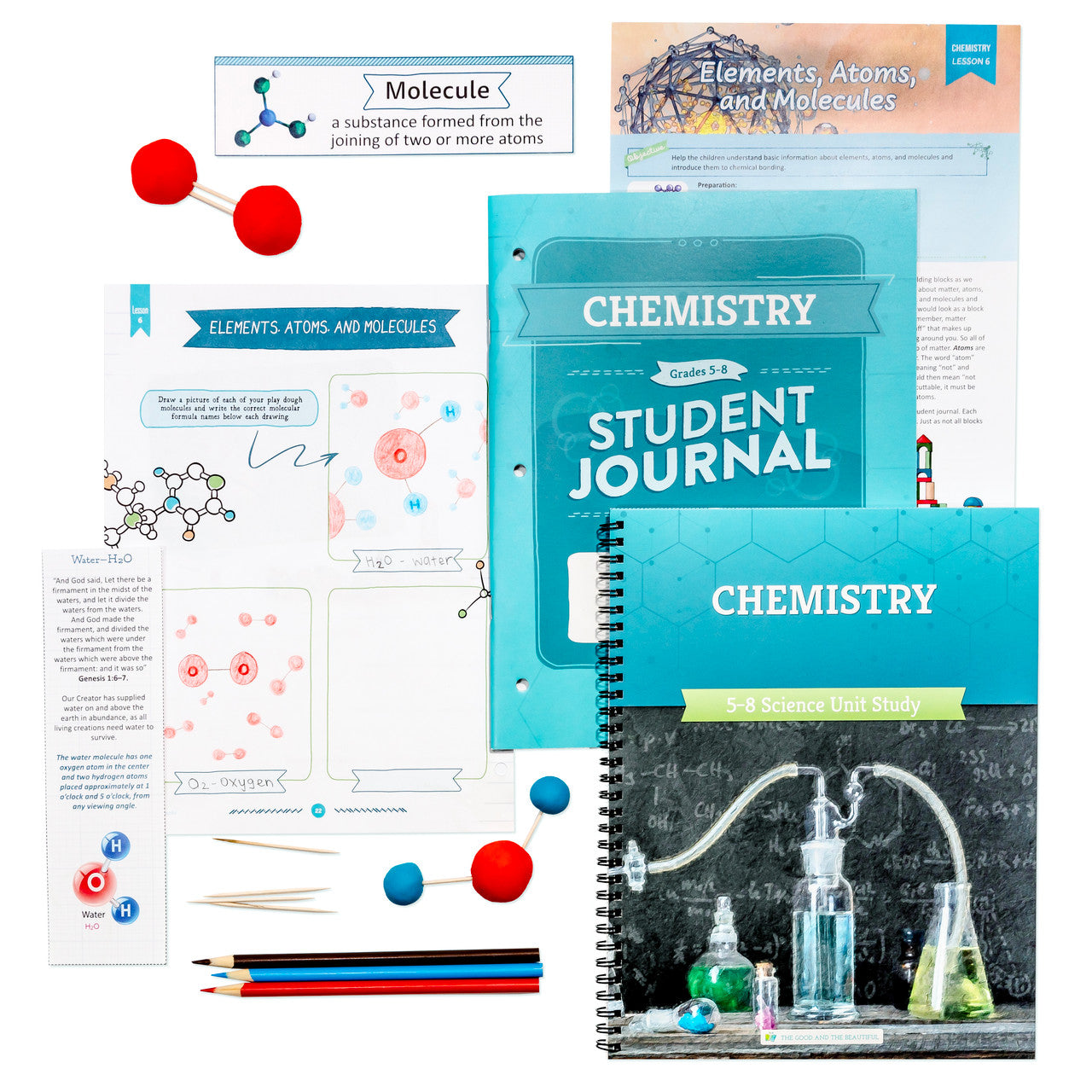
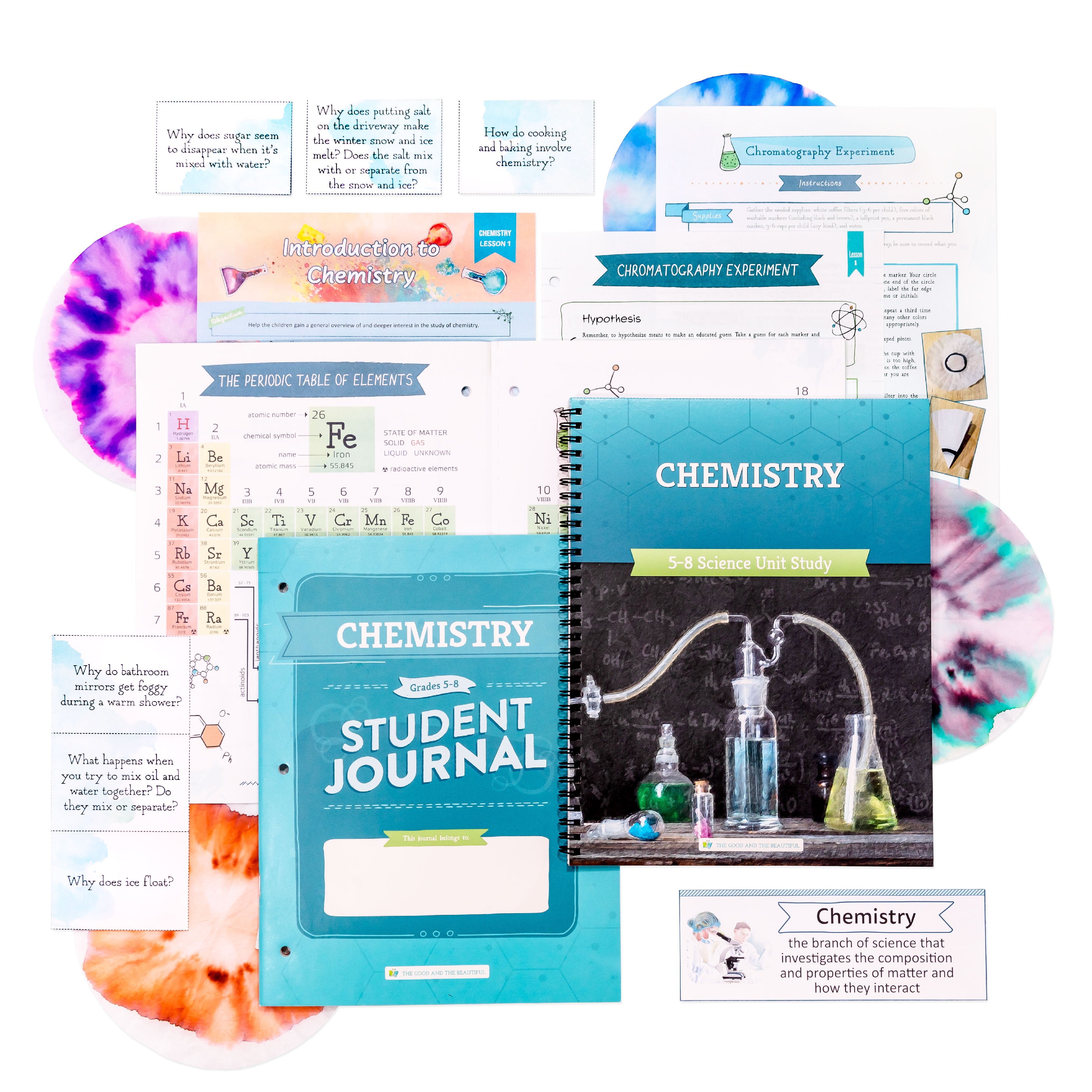
Chemistry: 5-8 Science Unit Study is a comprehensive educational program that introduces students to fundamental chemistry concepts through hands-on experiments, scientific observation, and practical applications. This unit study makes chemistry accessible and engaging for upper elementary and middle school students while building a strong foundation for advanced scientific study.
Content Areas
This comprehensive chemistry unit covers:
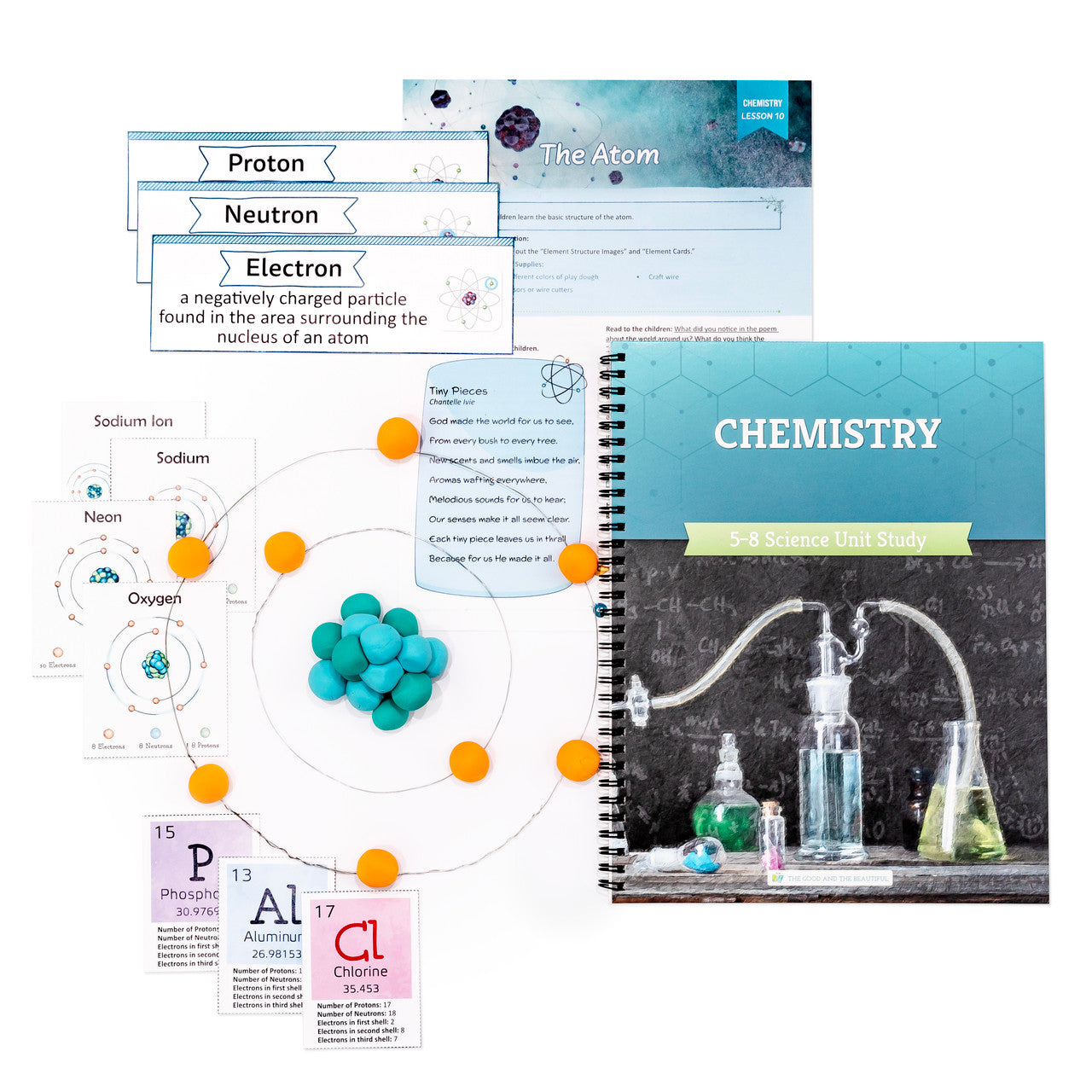
- Atomic Structure: Atoms, elements, and the periodic table
- States of Matter: Solids, liquids, gases, and plasma
- Chemical Reactions: Types of reactions and chemical changes
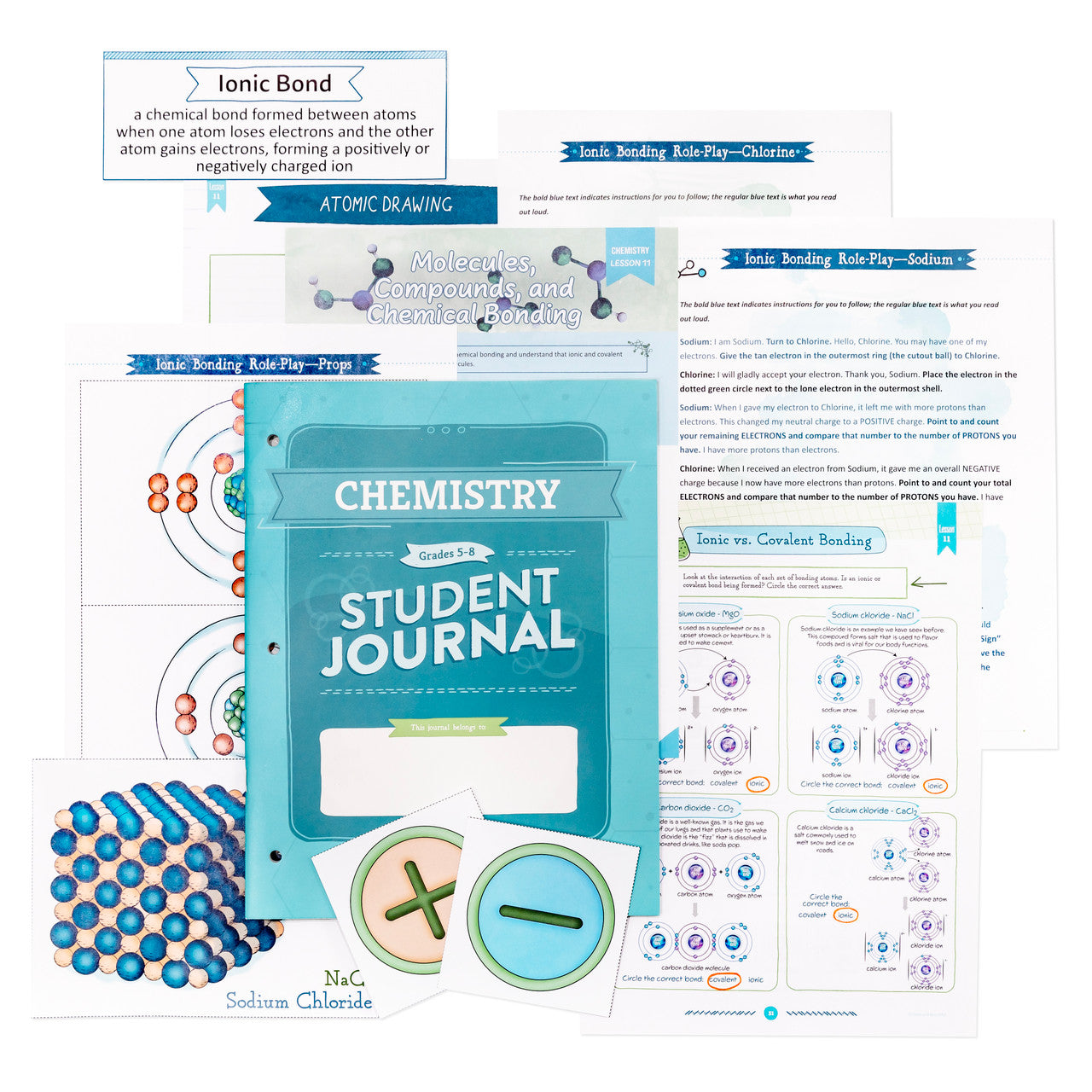
- Molecules and Compounds: Chemical bonding and molecular structure
- Acids and Bases: pH scale and chemical properties
- Chemical Safety: Laboratory safety and proper procedures
- Real-World Applications: Chemistry in everyday life
- Scientific Method: Experimentation and data analysis
Educational Approach
- Format: Unit study with structured lessons and laboratory experiments
- Target Audience: Students in grades 5-8 (typically ages 10-14)
- Learning Style: Experimental and hands-on with theoretical foundation
- Assessment: Includes lab reports, experiments, and scientific demonstrations
- Safety Focus: Emphasis on safe laboratory practices and procedures
- STEM Integration: Science, Technology, Engineering, and Mathematics connections
Course Structure
Unit Components
The curriculum comprises fundamental chemistry topics:
- Matter and Energy: Basic concepts of matter and energy transformations
- Atomic Theory: Understanding atoms and elements
- Chemical Bonding: How atoms combine to form compounds
- Chemical Reactions: Types and characteristics of chemical changes
- Laboratory Skills: Proper techniques and safety procedures
Lesson Components
- Theoretical Foundation: Understanding chemistry principles and concepts
- Laboratory Experiments: Hands-on investigation of chemical phenomena
- Safety Training: Proper laboratory safety and procedures
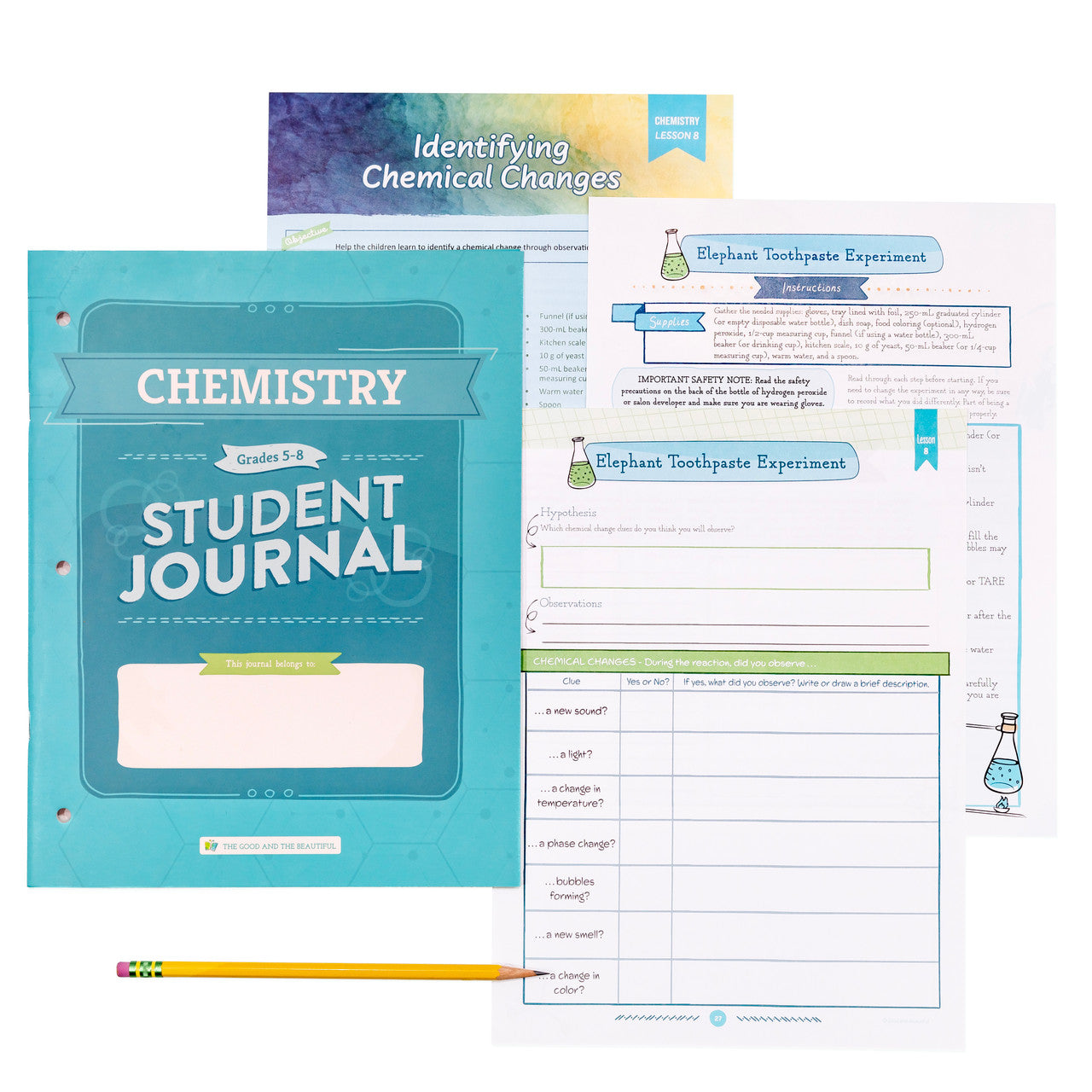
- Data Analysis: Recording and interpreting experimental results
- Real-World Connections: Applications of chemistry in daily life
Educational Benefits
Scientific Understanding
- Chemistry Literacy: Understanding fundamental chemical concepts and principles
- Scientific Method: Experimentation, observation, and hypothesis testing
- Laboratory Skills: Proper techniques for scientific investigation
- Data Analysis: Recording, interpreting, and communicating scientific data
- Safety Awareness: Understanding and practicing laboratory safety
Critical Thinking Skills
- Problem Solving: Using chemistry knowledge to solve practical problems
- Analytical Thinking: Breaking down complex chemical processes
- Hypothesis Formation: Predicting outcomes of chemical reactions
- Evidence Evaluation: Assessing experimental results and conclusions
- Scientific Communication: Describing and explaining chemical phenomena
Additional Materials and Resources
Included Materials
- Student Workbook: Comprehensive lessons and experiment instructions
- Laboratory Manual: Detailed procedures for chemical experiments
- Safety Guide: Essential safety procedures and equipment information
- Reference Charts: Periodic table, chemical formulas, and reaction types
Required Supplies
- Laboratory Equipment: Beakers, test tubes, graduated cylinders, thermometers
- Chemicals: Safe, age-appropriate chemicals for experiments
- Safety Equipment: Safety goggles, aprons, gloves
- Measurement Tools: Scales, rulers, pH strips
Optional Enhancements
- Advanced Equipment: Digital pH meters, precision scales, microscopes
- Chemical Sets: Expanded chemistry sets with additional materials
- Educational Software: Chemistry simulation and modeling programs
- Field Trips: University labs, chemical plants, or science museums
Course Structure Details
1. Introduction to Chemistry
Time: 2-3 weeks Content:
- What is chemistry and why it matters
- Laboratory safety and procedures
- Scientific method in chemistry
- Basic laboratory equipment and techniques
2. Matter and Its Properties
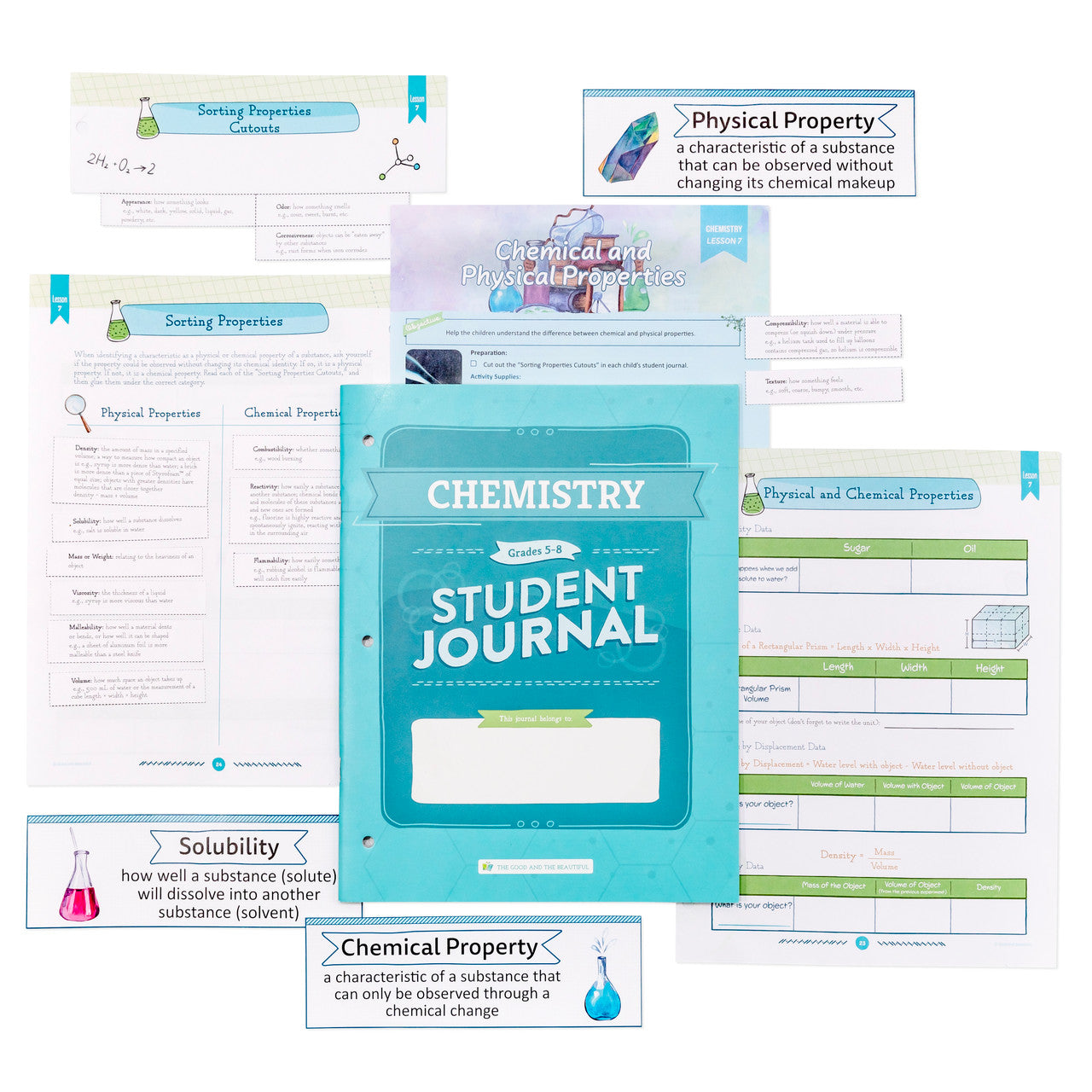
Time: 3-4 weeks Content:
- States of matter and phase changes
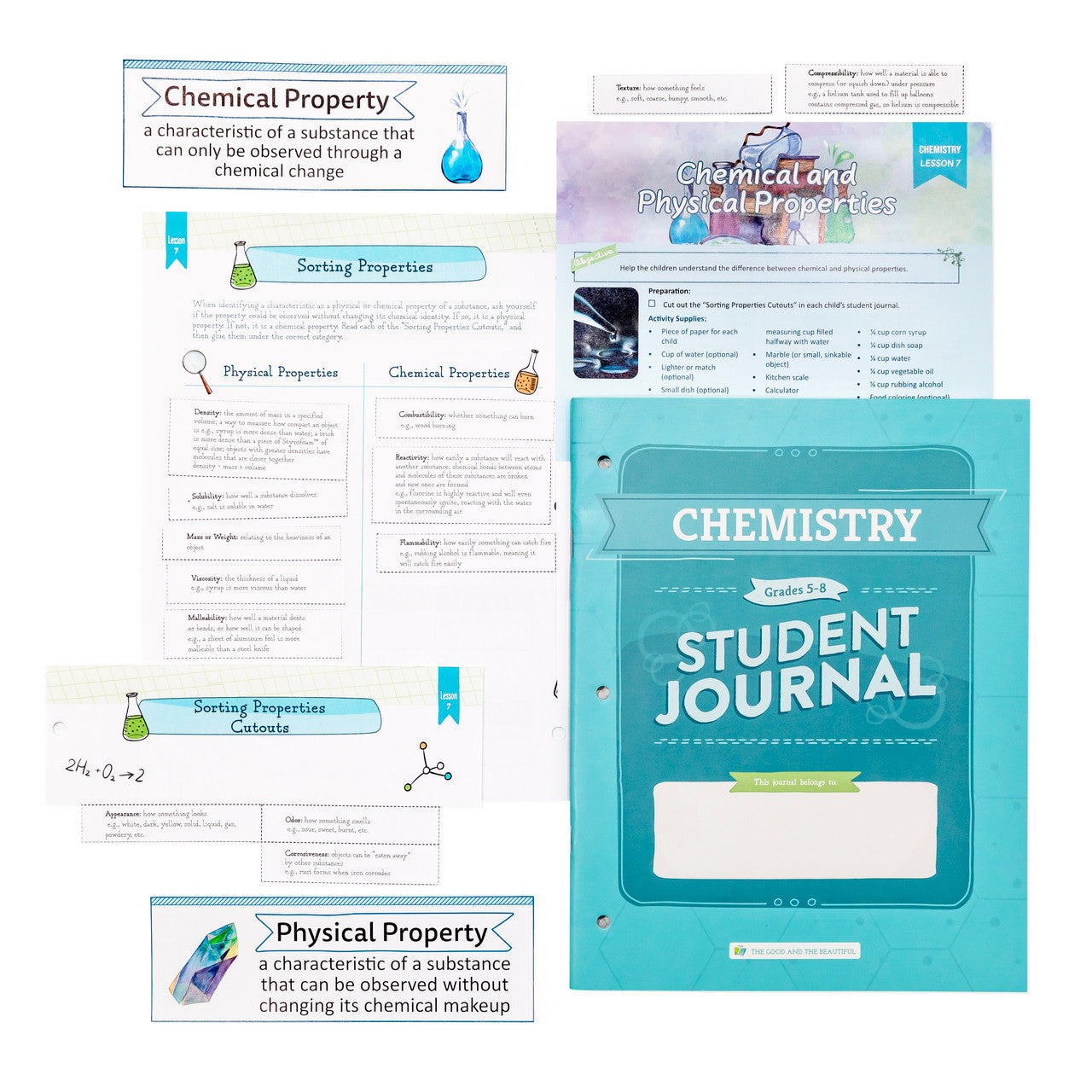
- Physical and chemical properties
- Mixtures and pure substances
- Density and other measurable properties
3. Atomic Structure and Elements
Time: 3-4 weeks Content:
- Atomic theory and atomic structure
- Elements and the periodic table
- Atomic number, mass number, and isotopes
- Electron arrangement and chemical behavior
4. Chemical Bonding and Compounds
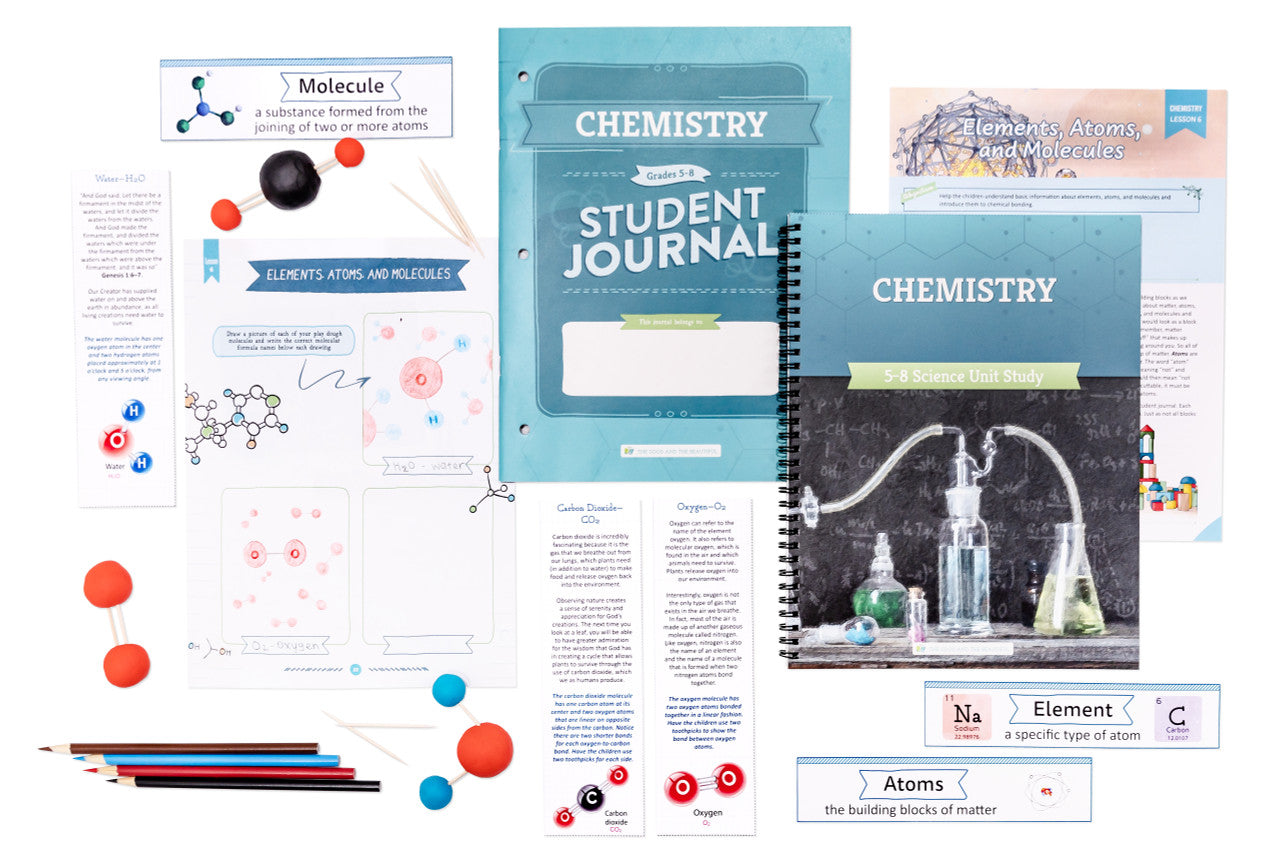
Time: 3-4 weeks Content:
- Ionic and covalent bonding
- Chemical formulas and naming compounds
- Molecular structure and properties
- Predicting chemical behavior
5. Chemical Reactions
Time: 4-5 weeks Content:
- Types of chemical reactions
- Balancing chemical equations
- Factors affecting reaction rates
- Energy in chemical reactions
6. Acids, Bases, and pH
Time: 2-3 weeks Content:
- Properties of acids and bases
- pH scale and indicators
- Neutralization reactions
- Acids and bases in everyday life
Laboratory Experiments
Hands-On Investigations
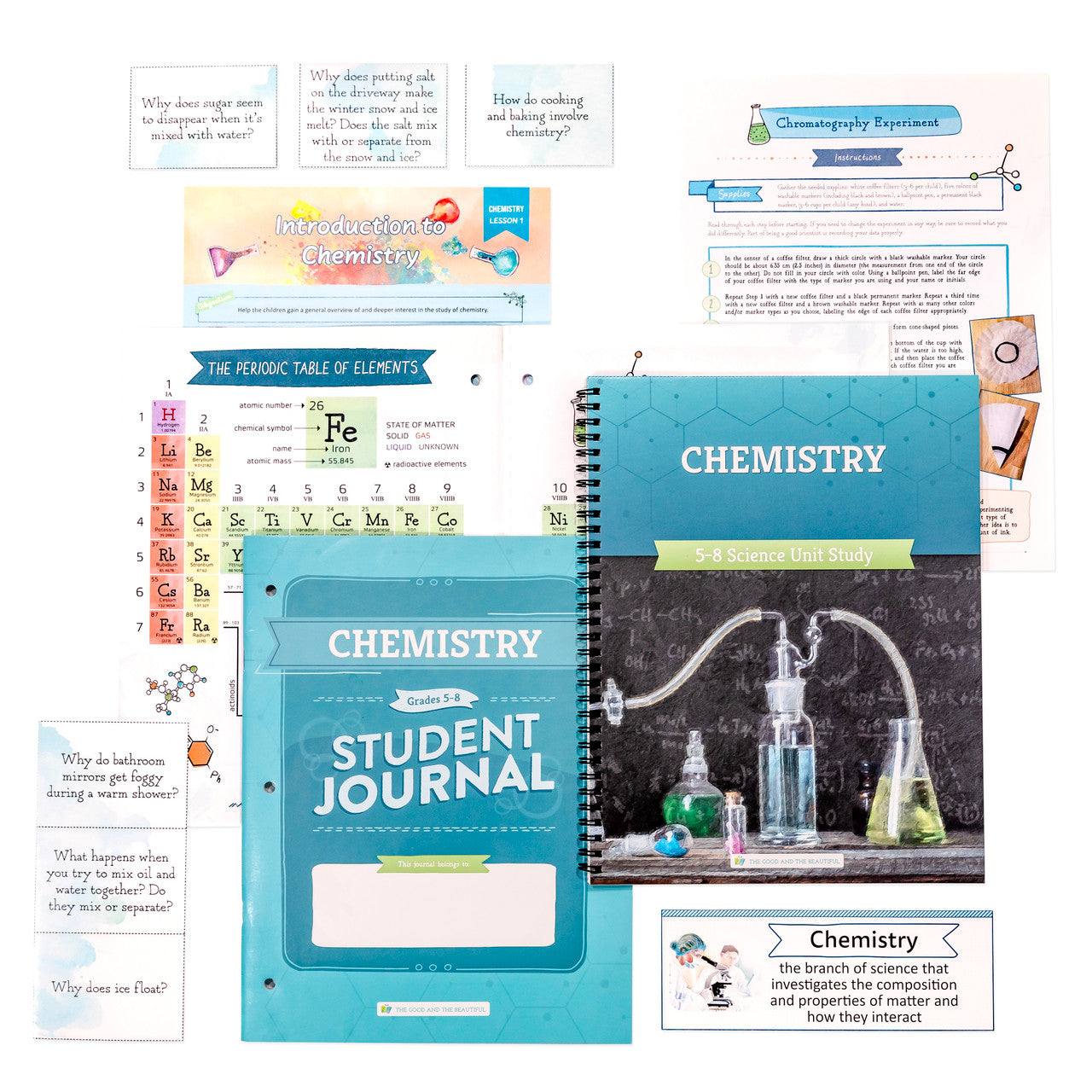
- States of Matter: Observing phase changes and properties
- Chemical vs. Physical Changes: Identifying different types of changes
- Element Identification: Using flame tests and other methods
- Compound Formation: Creating and analyzing chemical compounds
- Reaction Types: Investigating different categories of reactions
- pH Testing: Measuring acidity and alkalinity of various substances
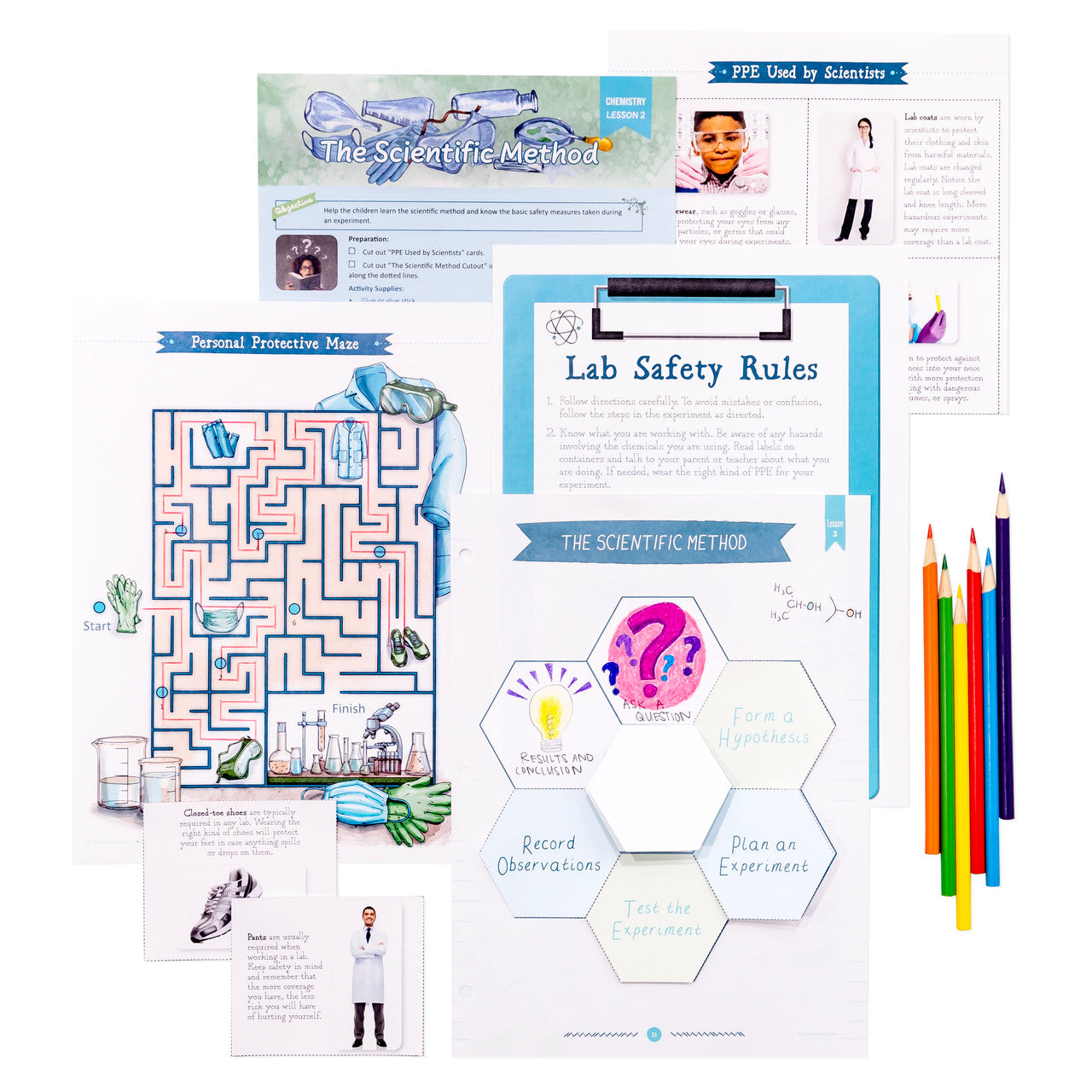
Safety Practices
- Laboratory Safety Rules: Essential safety procedures and protocols
- Equipment Handling: Proper use of laboratory tools and instruments
- Chemical Safety: Safe handling and disposal of chemicals
- Emergency Procedures: Response to laboratory accidents and spills
Course Availability
- Free Resources: Available through The Good and the Beautiful website
- Physical Copies: Printed materials available for purchase
- Digital Access: Online resources and supplementary materials
- Laboratory Kits: Chemistry experiment kits and supplies
Notes
- Designed for both homeschool and classroom environments
- Emphasizes safety throughout all laboratory activities
- Age-appropriate introduction to complex chemistry concepts
- Builds foundation for high school chemistry courses
- Integrates practical applications with theoretical understanding
- Encourages scientific curiosity and investigation
- Prepares students for advanced STEM education
Links
- The Good and the Beautiful Official Website
- Science Unit Studies
- Contact publisher for current availability and detailed curriculum information
- Chemistry education resources and laboratory suppliers