Botany: 3-8 Science Unit Study
Basic Information
- Title: Botany
- Subtitle: 3-8 Science Unit Study
- Subject: Life Science/Plant Biology
- Grade Level: 3-8 (Ages 8-14)
- Type: Science Unit Study
- Series: The Good and the Beautiful Science Series
- Publisher: The Good and the Beautiful
Description
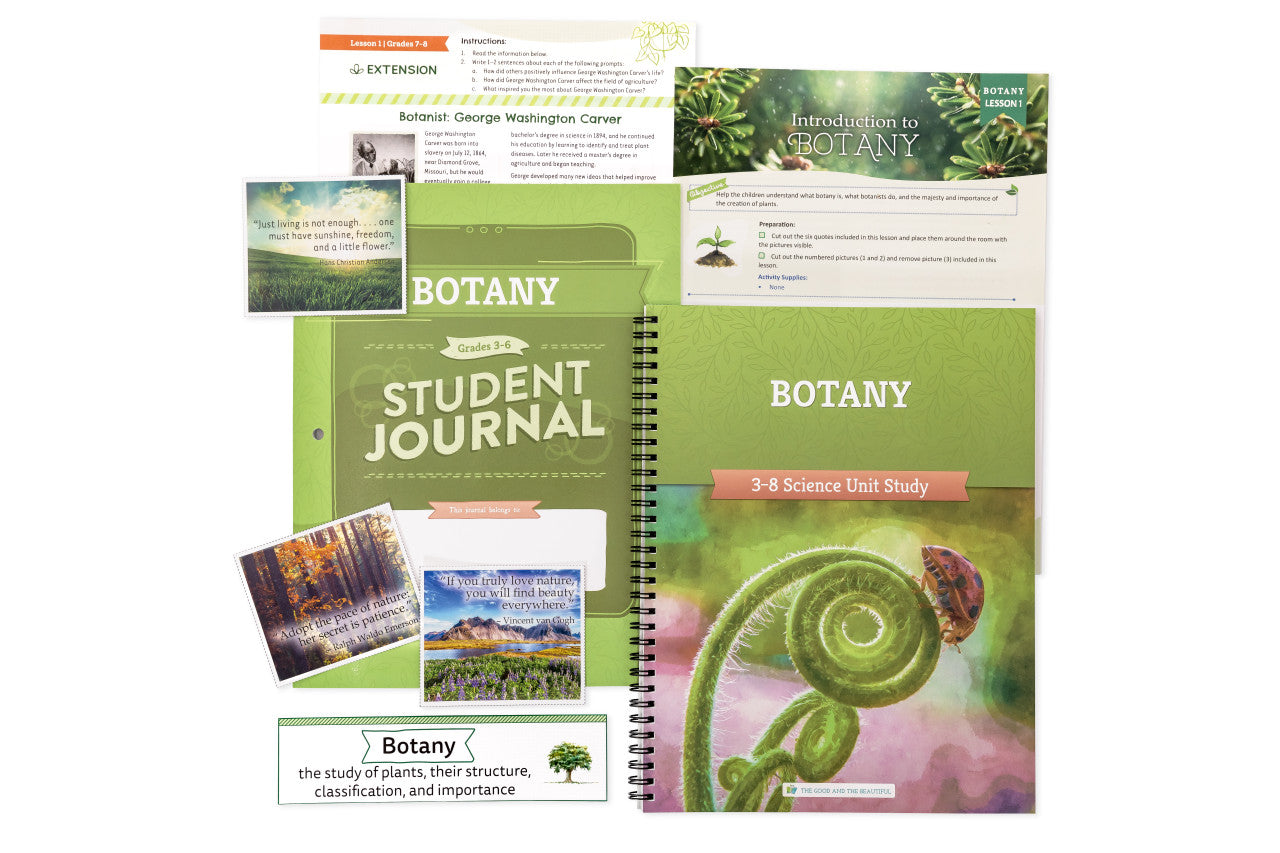
Botany: 3-8 Science Unit Study is a comprehensive educational program that explores the fascinating world of plant life. This unit study introduces students to plant biology, ecology, and the vital role plants play in sustaining life on Earth. Through hands-on activities, garden observations, and scientific study, students develop a deep appreciation for the botanical world and understanding of plant science principles.
Content Areas
This comprehensive botany unit covers:
- Plant Structure: Anatomy of roots, stems, leaves, flowers, and seeds
- Plant Functions: Photosynthesis, respiration, transportation, and reproduction
- Plant Classification: Taxonomic organization and plant families
- Plant Life Cycles: Growth, development, and reproduction patterns
- Plant Ecology: Relationships between plants and their environments
- Plant Adaptations: How plants survive in different environments
- Economic Botany: Human uses of plants for food, medicine, and materials
- Conservation: Protecting plant species and habitats
Educational Approach
- Format: Unit study with structured lessons and hands-on investigations
- Target Audience: Students in grades 3-8 (typically ages 8-14)
- Learning Style: Field-based learning with garden observations and experiments
- Assessment: Includes plant collections, garden journals, and botanical projects
- Hands-On Learning: Gardening, plant experiments, and field studies
- Character Integration: Stewardship of creation and environmental responsibility
Course Structure
Unit Components
The curriculum comprises comprehensive botanical study:
- Plant Fundamentals: Basic plant biology and characteristics
- Plant Anatomy: Detailed study of plant structures and functions
- Plant Diversity: Exploration of different plant groups and families
- Plant Ecology: Understanding plants in their natural environments
- Human-Plant Interactions: Uses and conservation of plant resources
Lesson Components
- Scientific Content: Understanding plant biology and ecology
- Field Investigations: Observing plants in natural settings
- Laboratory Activities: Indoor experiments and plant studies
- Garden Projects: Growing and caring for plants
- Conservation Activities: Protecting and preserving plant life
Educational Benefits
Scientific Understanding
- Botanical Literacy: Understanding plant structure, function, and diversity
- Ecological Awareness: Knowledge of plants' roles in ecosystems
- Scientific Method: Observation, experimentation, and data collection
- Classification Skills: Organizing plants by characteristics and relationships
- Research Abilities: Finding and evaluating botanical information
Practical Skills
- Gardening Skills: Planting, growing, and caring for plants
- Observation Techniques: Detailed study and documentation of plant features
- Environmental Stewardship: Caring for plants and natural habitats
- Problem Solving: Addressing plant health and growth challenges
- Resource Management: Understanding sustainable use of plant resources
Additional Materials and Resources
Included Materials
- Student Workbook: Comprehensive lessons and activity instructions
- Plant Identification Guide: Charts and keys for identifying common plants
- Garden Journal: Tools for recording plant observations and growth
- Activity Templates: Structured formats for botanical studies
Required Supplies
- Gardening Supplies: Seeds, soil, pots, watering tools
- Observation Tools: Magnifying glasses, rulers, cameras
- Collection Materials: Press for preserving plant specimens
- Art Supplies: For botanical illustrations and diagrams
Optional Enhancements
- Advanced Equipment: Microscopes for detailed plant cell study
- Reference Materials: Comprehensive field guides and botanical texts
- Garden Tools: Specialized tools for advanced gardening projects
- Field Trip Equipment: Materials for outdoor botanical expeditions
Course Structure Details
1. Introduction to Plants
Time: 2-3 weeks Content:
- What makes a plant a plant
- Basic plant characteristics and needs
- Plant vs. animal differences
- Importance of plants in ecosystems
2. Plant Structure and Anatomy
Time: 4-5 weeks Content:
- Roots: Types, functions, and adaptations
- Stems: Structure, support, and transport functions
- Leaves: Photosynthesis, transpiration, and leaf variations
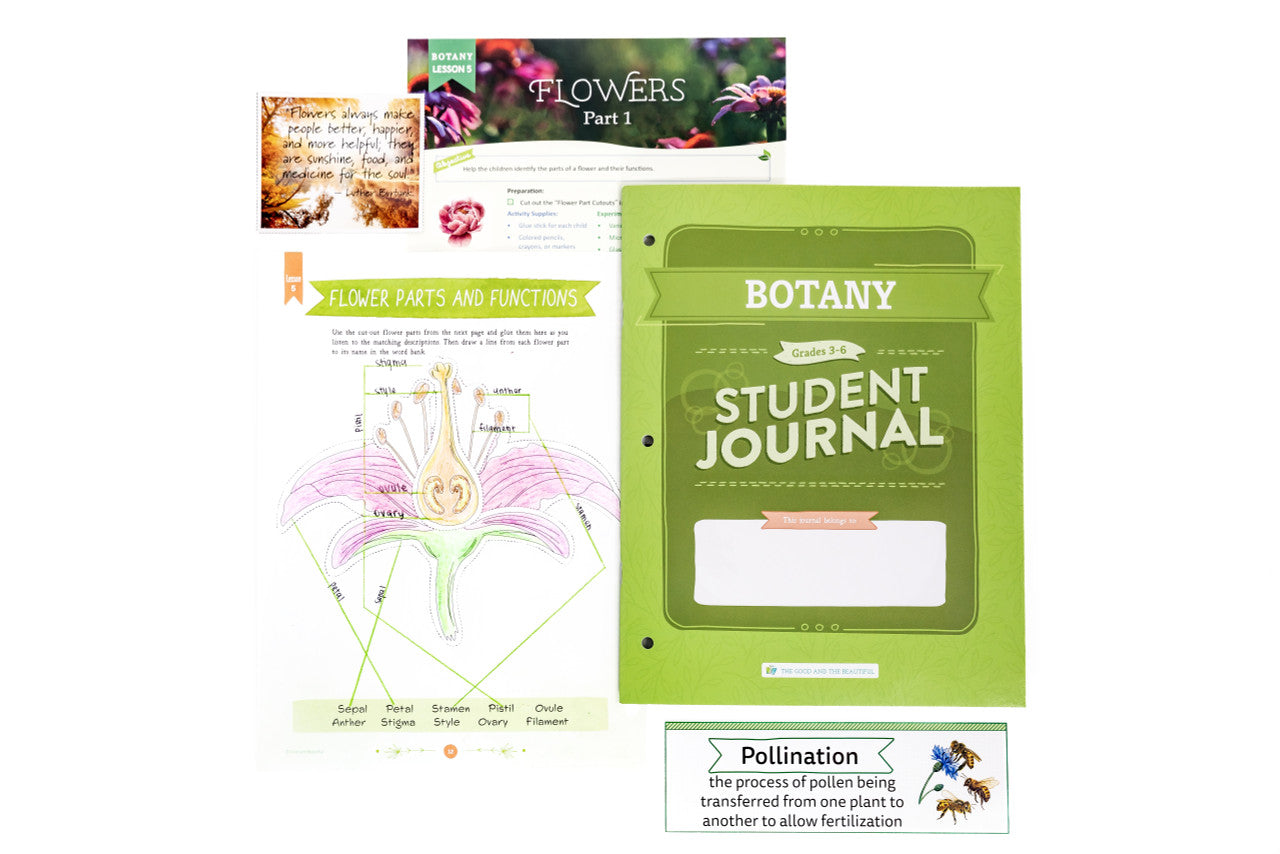
- Flowers: Reproduction, pollination, and flower parts
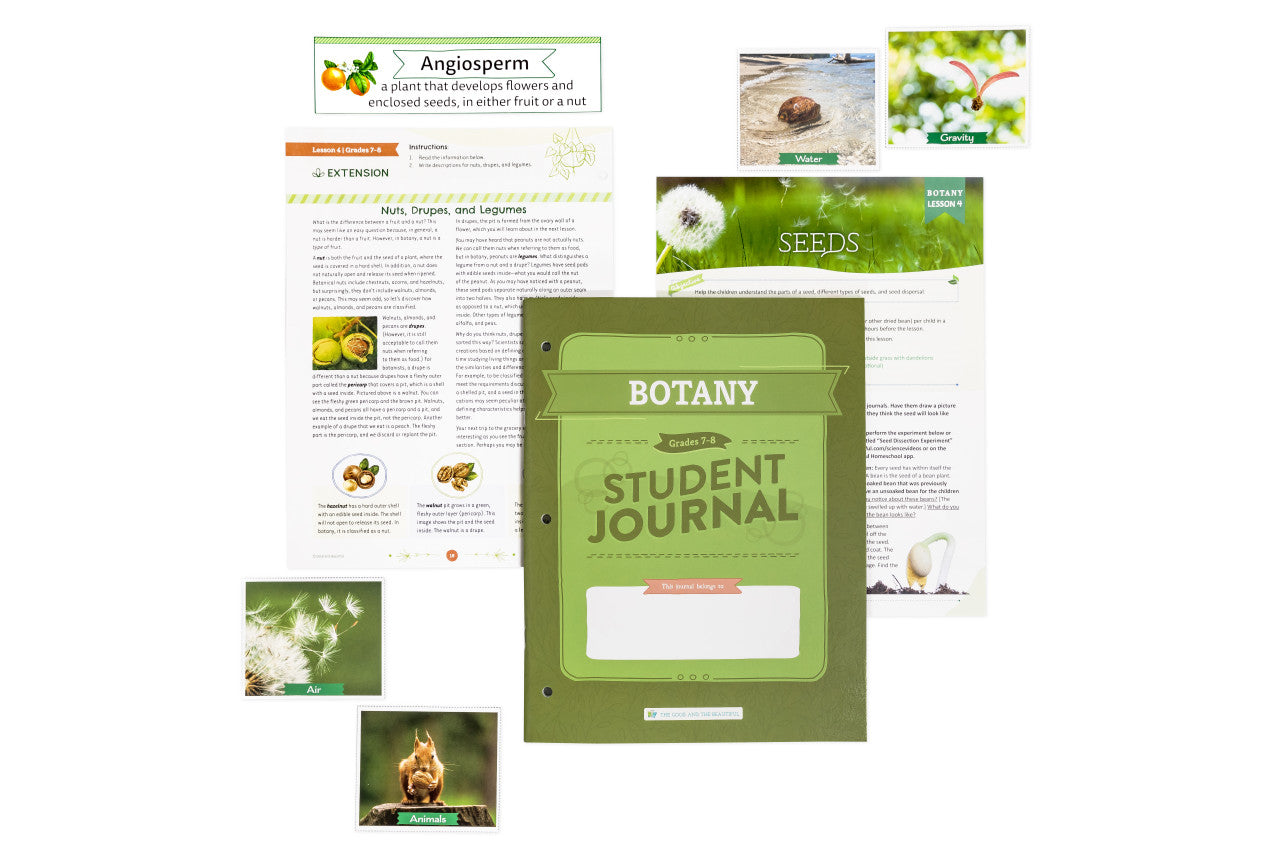
- Seeds and Fruits: Development, dispersal, and germination
3. Plant Functions and Processes
Time: 3-4 weeks Content:
- Photosynthesis: How plants make food from sunlight
- Respiration: Plant breathing and energy production
- Transportation: Movement of water and nutrients
- Growth: Cell division, elongation, and development
4. Plant Classification and Diversity
Time: 3-4 weeks Content:
- Plant taxonomy and classification systems
- Major plant groups (mosses, ferns, gymnosperms, angiosperms)
- Plant families and characteristics
- Local plant identification and study
5. Plant Ecology and Adaptations
Time: 3-4 weeks Content:
- Plant communities and ecosystems
- Environmental adaptations (desert, water, mountain plants)
- Plant interactions (competition, symbiosis, succession)
- Seasonal changes and plant responses
6. Economic Botany and Conservation
Time: 2-3 weeks Content:
- Plants as food sources (crops, fruits, vegetables)
- Medicinal plants and traditional uses
- Plants for materials (wood, fiber, paper)
- Plant conservation and protection
Hands-On Activities
Garden Projects
- Seed Germination: Growing plants from seeds and observing development
- Plant Care: Learning proper watering, fertilizing, and maintenance
- Garden Design: Creating themed gardens (herb, butterfly, vegetable)
- Propagation: Growing new plants from cuttings and divisions
Scientific Investigations
- Plant Experiments: Testing factors that affect plant growth
- Microscope Studies: Examining plant cells and tissues
- Photosynthesis Experiments: Demonstrating how plants make food
- Plant Collection: Creating herbarium specimens and plant collections
Field Studies
- Nature Walks: Identifying and studying local plants
- Habitat Exploration: Examining plants in different environments
- Seasonal Studies: Documenting plant changes throughout the year
- Ecosystem Analysis: Understanding plant roles in local ecosystems
Conservation and Stewardship
Environmental Awareness
- Habitat Protection: Understanding the importance of plant habitats
- Endangered Plants: Learning about threatened plant species
- Invasive Species: Identifying and managing harmful non-native plants
- Restoration Projects: Participating in habitat restoration efforts
Sustainable Practices
- Organic Gardening: Chemical-free plant growing methods
- Water Conservation: Efficient watering and drought-resistant plants
- Composting: Creating nutrient-rich soil from organic waste
- Native Plants: Using indigenous species in landscaping
Course Availability
- Free Resources: Available through The Good and the Beautiful website
- Physical Copies: Printed materials available for purchase
- Digital Access: Online resources and supplementary materials
- Local Adaptation: Materials designed to work with local plant communities
Notes
- Designed for both homeschool and classroom environments
- Emphasizes hands-on learning and direct plant interaction
- Adaptable to any climate and local plant communities
- Integrates scientific study with environmental stewardship
- Encourages family involvement in gardening and nature study
- Develops both scientific knowledge and practical skills
- Prepares students for advanced botanical and environmental studies
Links
- The Good and the Beautiful Official Website
- Science Unit Studies
- Contact publisher for current availability and detailed curriculum information
- Local botanical gardens, arboretums, and plant conservation organizations