Safety: 3-8 Science Unit Study
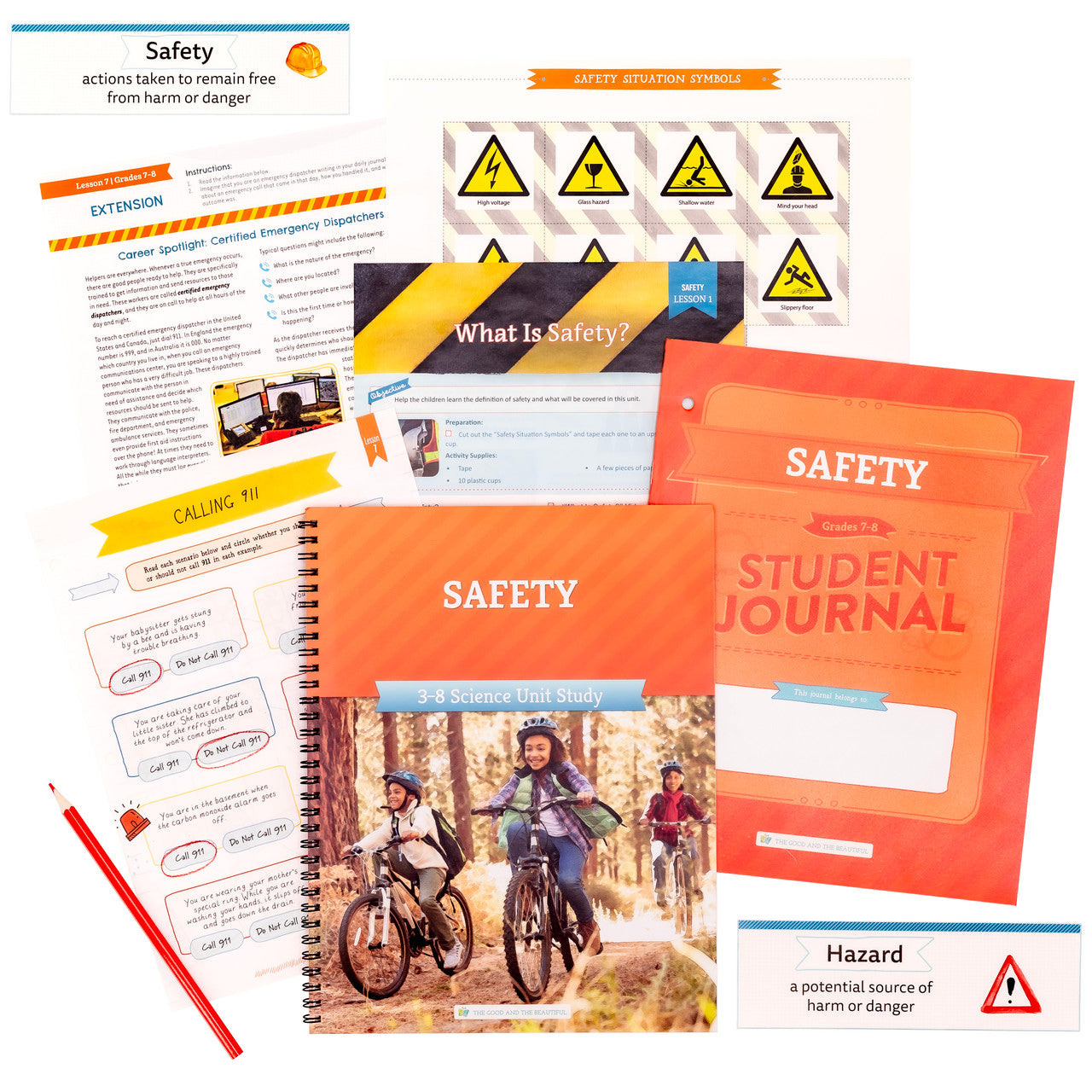
Basic Information
- Title: Safety
- Subtitle: 3-8 Science Unit Study
- Subject: Safety Education/Life Skills
- Grade Level: 3-8 (Ages 8-14)
- Type: Science Unit Study
- Series: The Good and the Beautiful Science Series
- Publisher: The Good and the Beautiful
Description
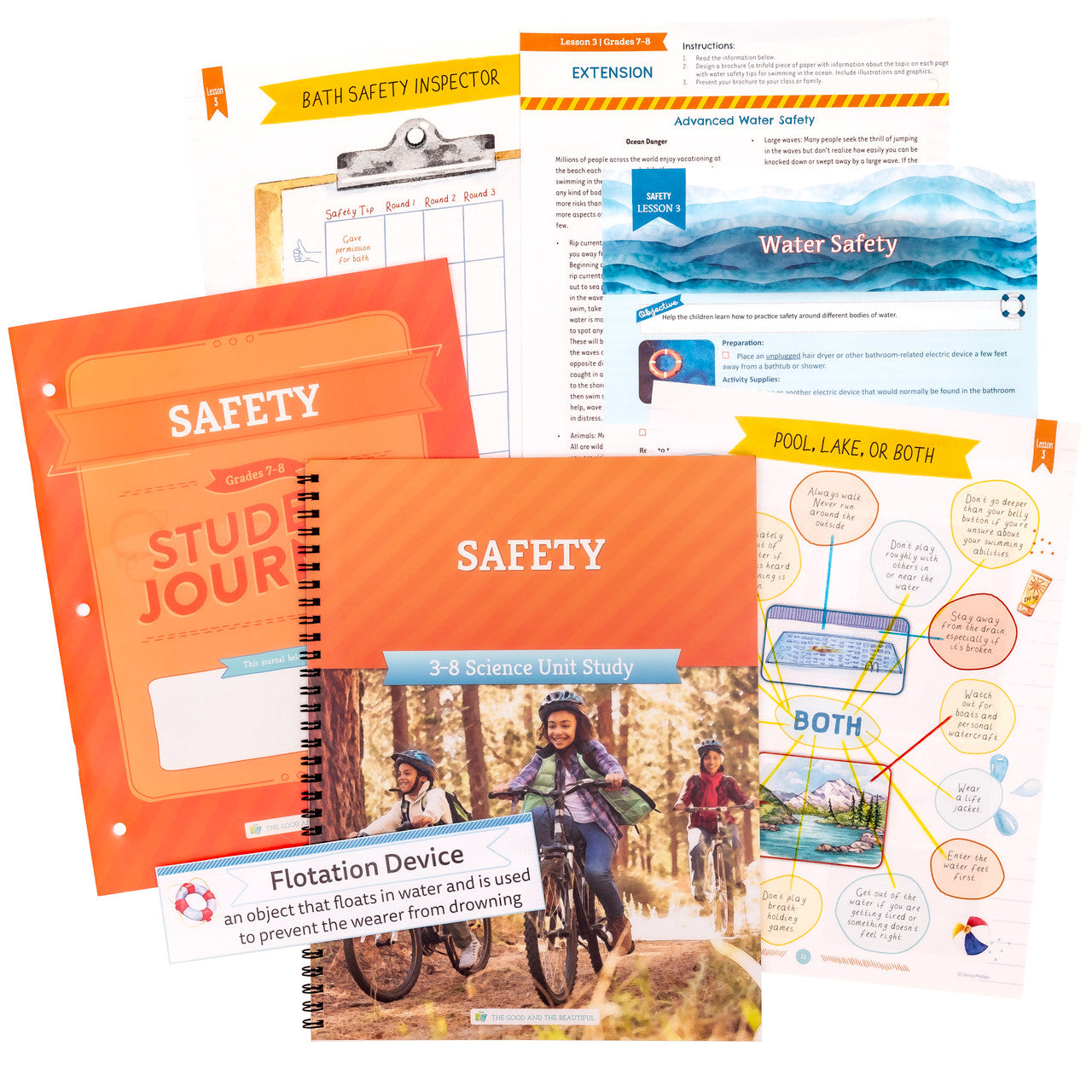
Safety: 3-8 Science Unit Study is a comprehensive educational program designed to teach students essential safety principles and practices. This unit study combines scientific understanding with practical application, helping students develop critical safety awareness and decision-making skills for various environments and situations.
Content Areas
This comprehensive safety education unit covers:
- Personal Safety: Individual safety practices and awareness
- Home Safety: Household hazards and prevention strategies
- Fire Safety: Fire prevention, detection, and emergency response
- Water Safety: Swimming, boating, and water-related safety
- Traffic Safety: Pedestrian, bicycle, and vehicle safety
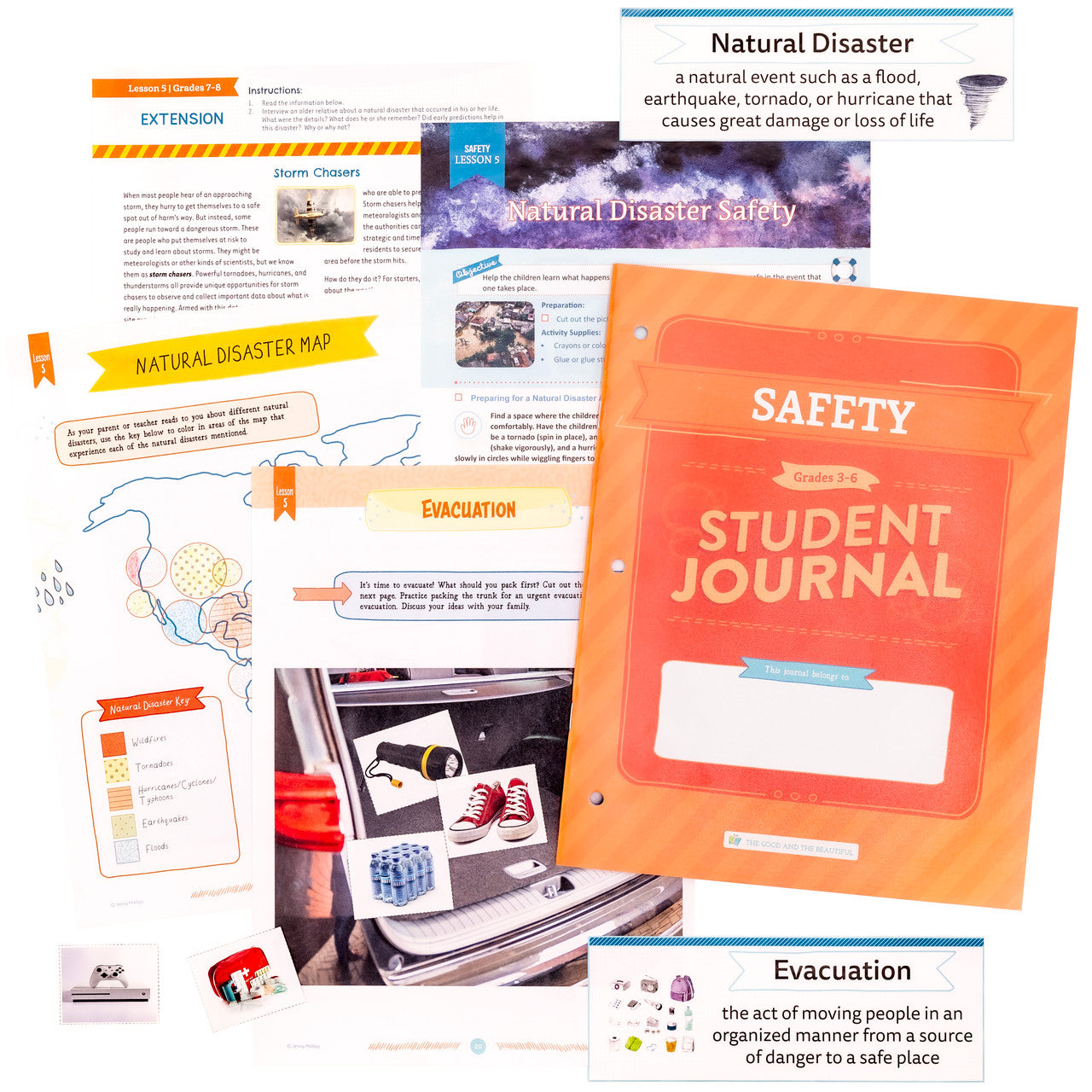
- Emergency Preparedness: Natural disasters and emergency response
- Health and Hygiene: Disease prevention and personal health
- Internet Safety: Digital citizenship and online protection
Educational Approach
- Format: Unit study with structured lessons and practical activities
- Target Audience: Students in grades 3-8 (typically ages 8-14)
- Learning Style: Combination of theoretical knowledge and practical application
- Assessment: Includes safety demonstrations, projects, and evaluations
- Hands-On Learning: Real-world application and practice
- Character Development: Responsibility and care for self and others
Course Structure
Unit Components
The curriculum comprises multiple safety domains:
- Foundation Concepts: Basic safety principles and risk assessment
- Environmental Safety: Home, school, and community safety
- Emergency Response: Crisis management and first aid basics
- Prevention Strategies: Proactive safety measures and planning
- Technology Safety: Digital safety and responsible technology use
Lesson Components

- Safety Principles: Scientific understanding of safety concepts
- Practical Application: Hands-on safety demonstrations
- Case Studies: Real-world examples and scenarios
- Emergency Drills: Practice of safety procedures
- Assessment Activities: Evaluation of safety knowledge and skills
Educational Benefits
Knowledge Development
- Risk Assessment: Ability to identify and evaluate potential hazards
- Safety Awareness: Heightened consciousness of environmental risks
- Emergency Response: Skills for crisis situations and emergencies
- Decision Making: Critical thinking for safety-related choices
- Prevention Mindset: Proactive approach to safety planning
Character Development

- Responsibility: Personal accountability for safety choices
- Care for Others: Consideration for family and community safety
- Preparedness: Planning and preparation for various scenarios
- Confidence: Self-assurance in handling safety situations
- Leadership: Ability to guide others in safety practices
Additional Materials and Resources
Included Materials
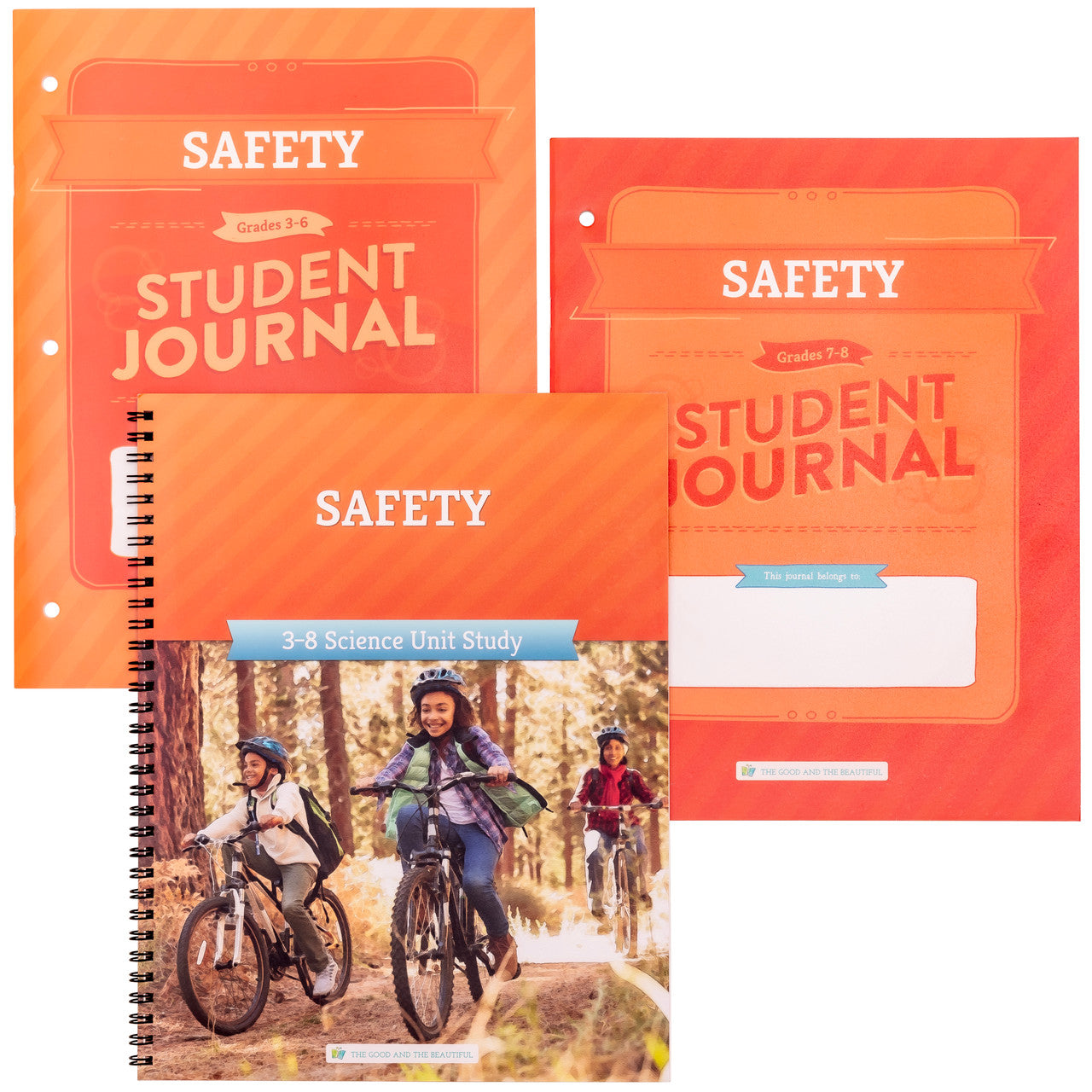
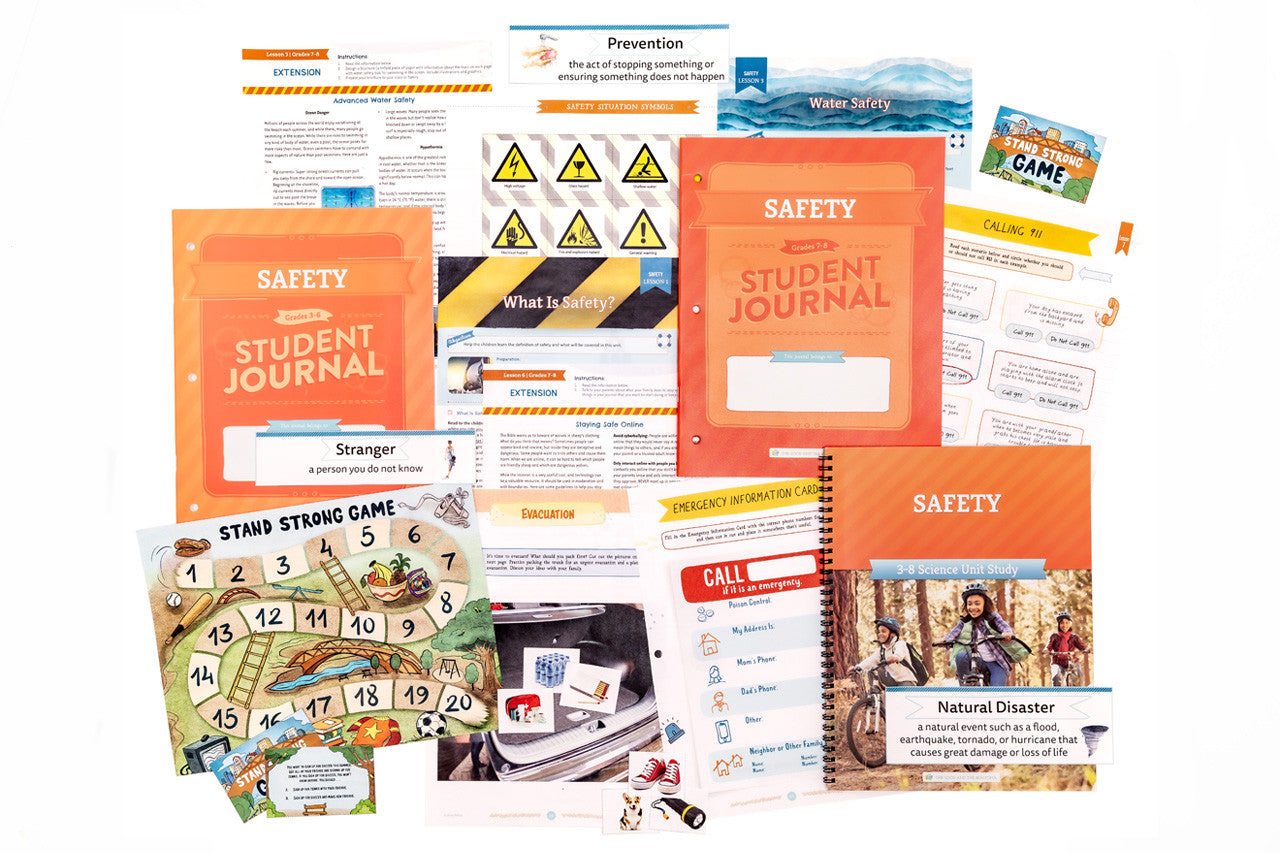
- Student Workbook: Comprehensive lessons and activities
- Safety Checklists: Practical assessment tools
- Emergency Guides: Quick reference materials
- Activity Sheets: Hands-on learning exercises
Required Supplies
- Basic School Supplies: Notebook, pencils, colored pencils
- Safety Equipment: Age-appropriate safety demonstration materials
- First Aid Supplies: Basic first aid kit for demonstrations
- Reference Materials: Safety guides and emergency handbooks
Optional Enhancements
- Field Trips: Visits to fire stations, police departments, or safety centers
- Guest Speakers: Safety professionals and emergency responders
- Safety Fair: Community safety awareness event
- Certification Programs: Age-appropriate safety certifications
Course Availability
- Free Resources: Available through The Good and the Beautiful website
- Physical Copies: Printed materials available for purchase
- Digital Access: Online resources and supplementary materials
- Community Integration: Connections with local safety organizations
Notes
- Designed for both homeschool and traditional classroom settings
- Emphasizes practical application of safety knowledge
- Encourages family and community involvement in safety education
- Adaptable to local safety concerns and community needs
- Integrates character development with safety education
- Appropriate for various learning styles and abilities
Links
- The Good and the Beautiful Official Website
- Science Unit Studies
- Contact publisher for current availability and detailed curriculum information
- Local emergency services for community safety resources