Mammals: 3-8 Science Unit Study
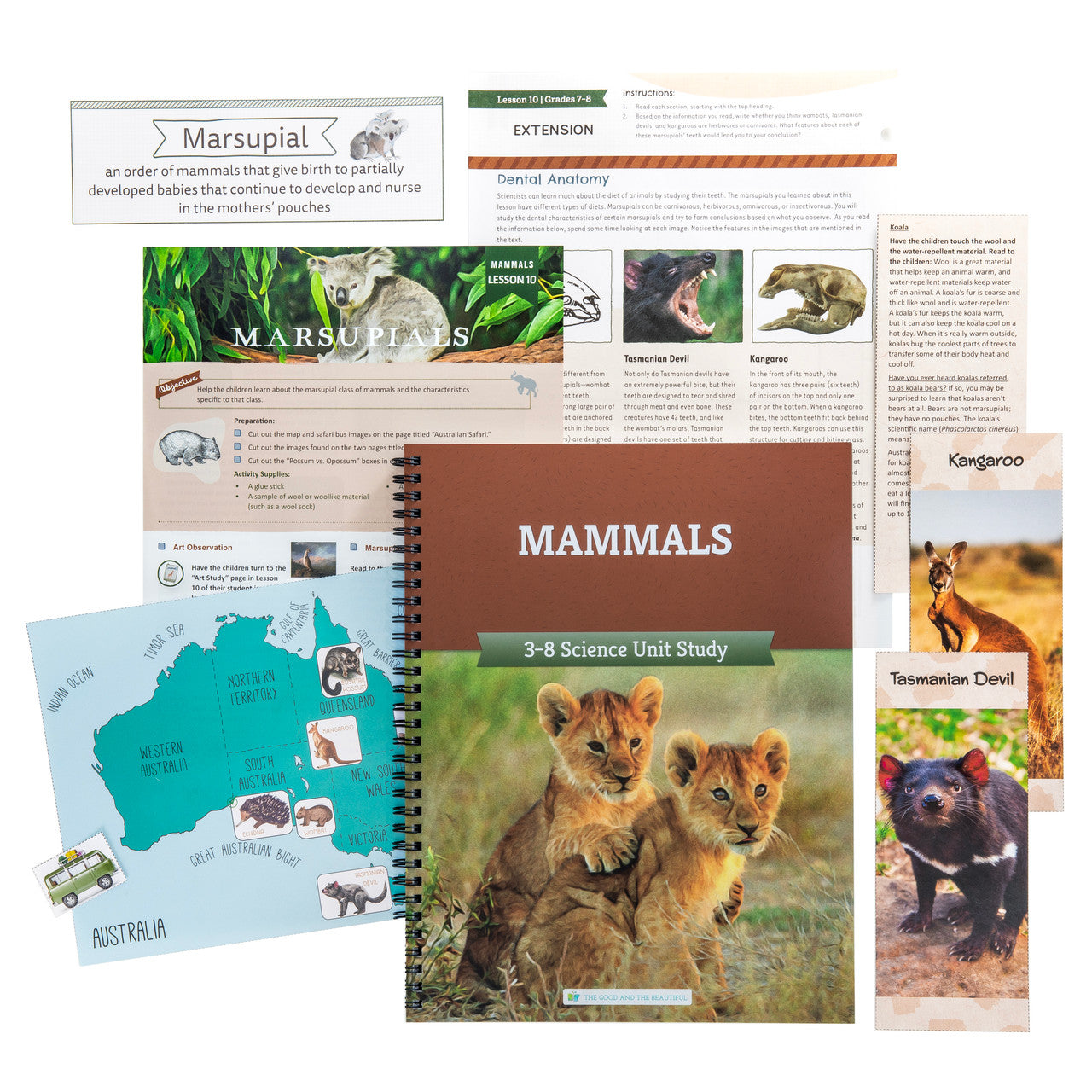
Basic Information
- Title: Mammals
- Subtitle: 3-8 Science Unit Study
- Subject: Life Science/Zoology
- Grade Level: 3-8 (Ages 8-14)
- Type: Science Unit Study
- Series: The Good and the Beautiful Science Series
- Publisher: The Good and the Beautiful
Description
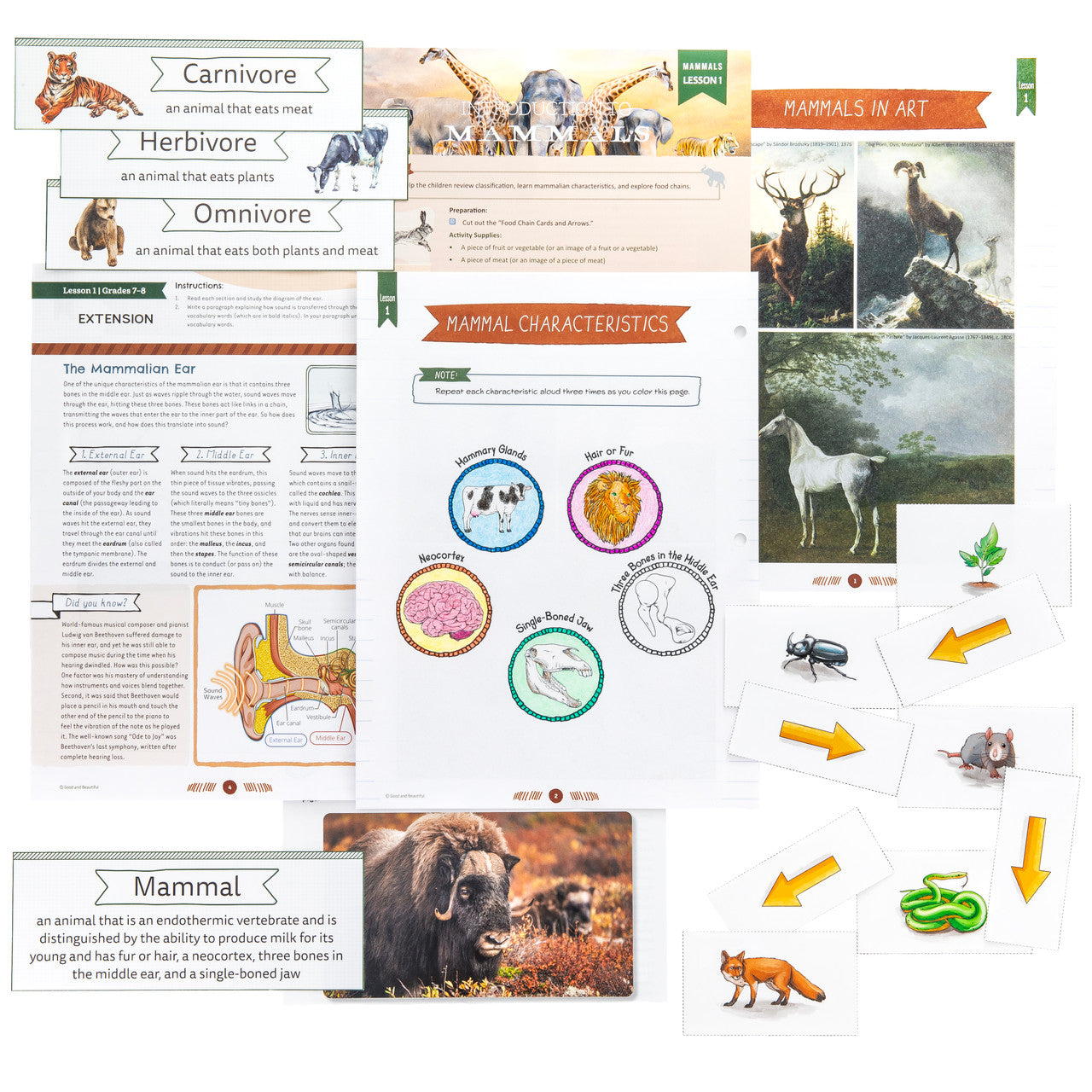
Mammals: 3-8 Science Unit Study is a comprehensive educational program that explores the fascinating world of mammalian life. This unit study introduces students to mammalian biology, behavior, and ecology while emphasizing the diversity and wonder of God's creation in the animal kingdom. Through hands-on activities, observations, and scientific study, students develop a deep appreciation for mammalian life and their role in ecosystems.
Content Areas
This comprehensive zoology unit covers:
- Mammalian Characteristics: Defining features that make mammals unique
- Classification: Taxonomic organization and mammalian orders
- Anatomy and Physiology: Body systems and how they function
- Behavior and Adaptations: How mammals survive and thrive
- Habitats and Ecosystems: Where mammals live and their ecological roles
- Life Cycles: Reproduction, development, and parental care
- Conservation: Protecting mammalian species and habitats
- Human Connections: Relationships between humans and mammals
Educational Approach
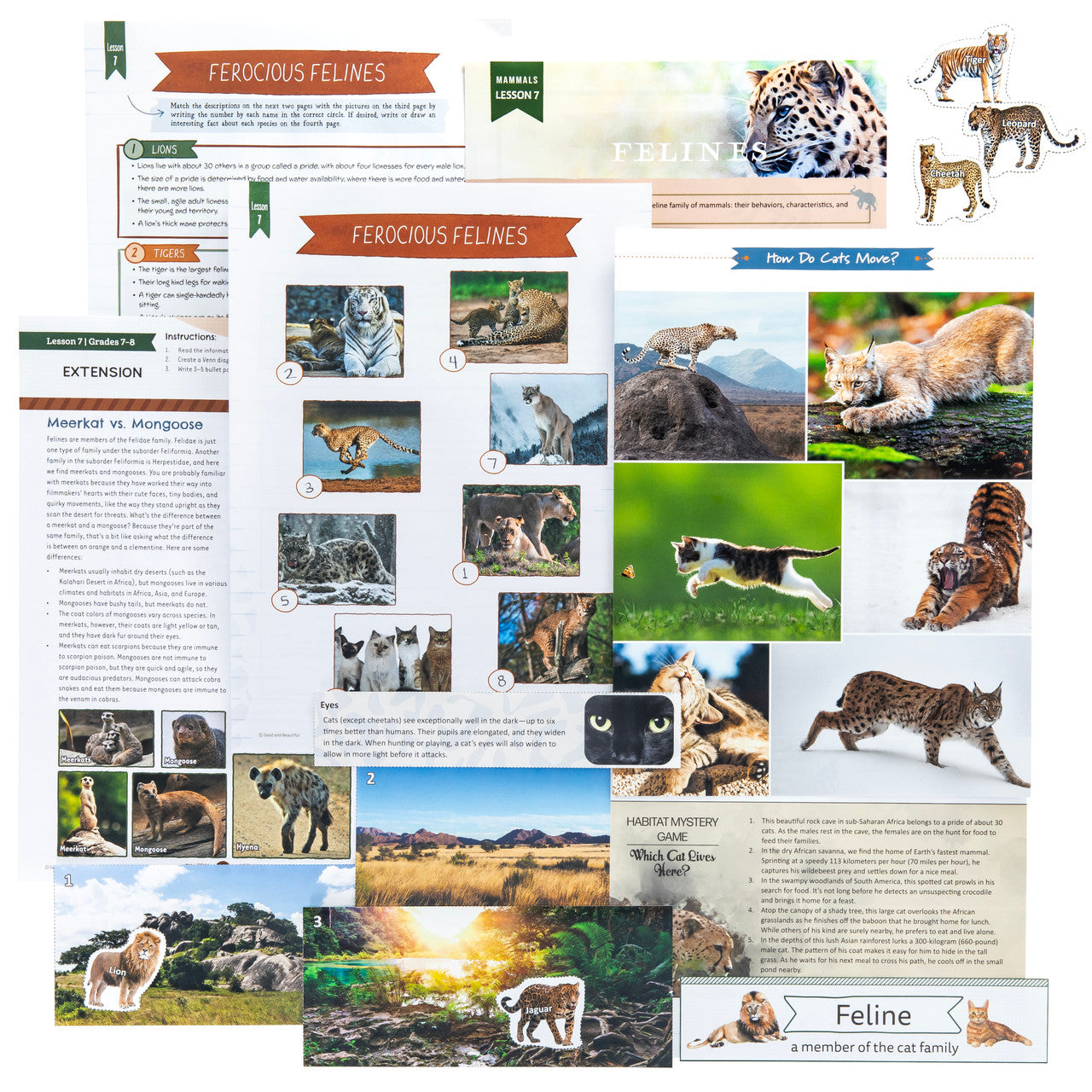
- Format: Unit study with structured lessons and observational activities
- Target Audience: Students in grades 3-8 (typically ages 8-14)
- Learning Style: Observational learning with hands-on investigations and research
- Assessment: Includes projects, animal reports, and field observations
- Character Integration: Stewardship of creation and care for animals
- Scientific Method: Observation, hypothesis formation, and data collection
Course Structure
Unit Components
The curriculum comprises comprehensive mammalian study:
- Mammalian Basics: Fundamental characteristics and classification
- Major Mammalian Groups: Study of different orders and families
- Anatomy and Function: How mammalian bodies work
- Behavior and Ecology: How mammals interact with their environment
- Conservation and Protection: Human responsibility for mammalian welfare
Lesson Components
- Scientific Content: Understanding mammalian biology and ecology
- Observation Activities: Studying live mammals and their behaviors
- Research Projects: In-depth study of specific mammalian species
- Field Studies: Observing mammals in their natural habitats
- Conservation Projects: Practical applications of wildlife protection
Educational Benefits
Scientific Understanding
- Biological Literacy: Understanding mammalian anatomy, physiology, and behavior
- Classification Skills: Organizing and categorizing living organisms
- Ecological Awareness: Understanding mammals' roles in ecosystems
- Scientific Method: Observation, hypothesis testing, and data analysis
- Research Skills: Finding, evaluating, and presenting scientific information
Character Development
- Creation Appreciation: Wonder and respect for the natural world
- Stewardship: Responsibility for caring for animals and habitats
- Compassion: Developing empathy for animals and their needs
- Conservation Mindset: Understanding human impact on wildlife
- Scientific Curiosity: Encouraging questions and investigation
Additional Materials and Resources
Included Materials
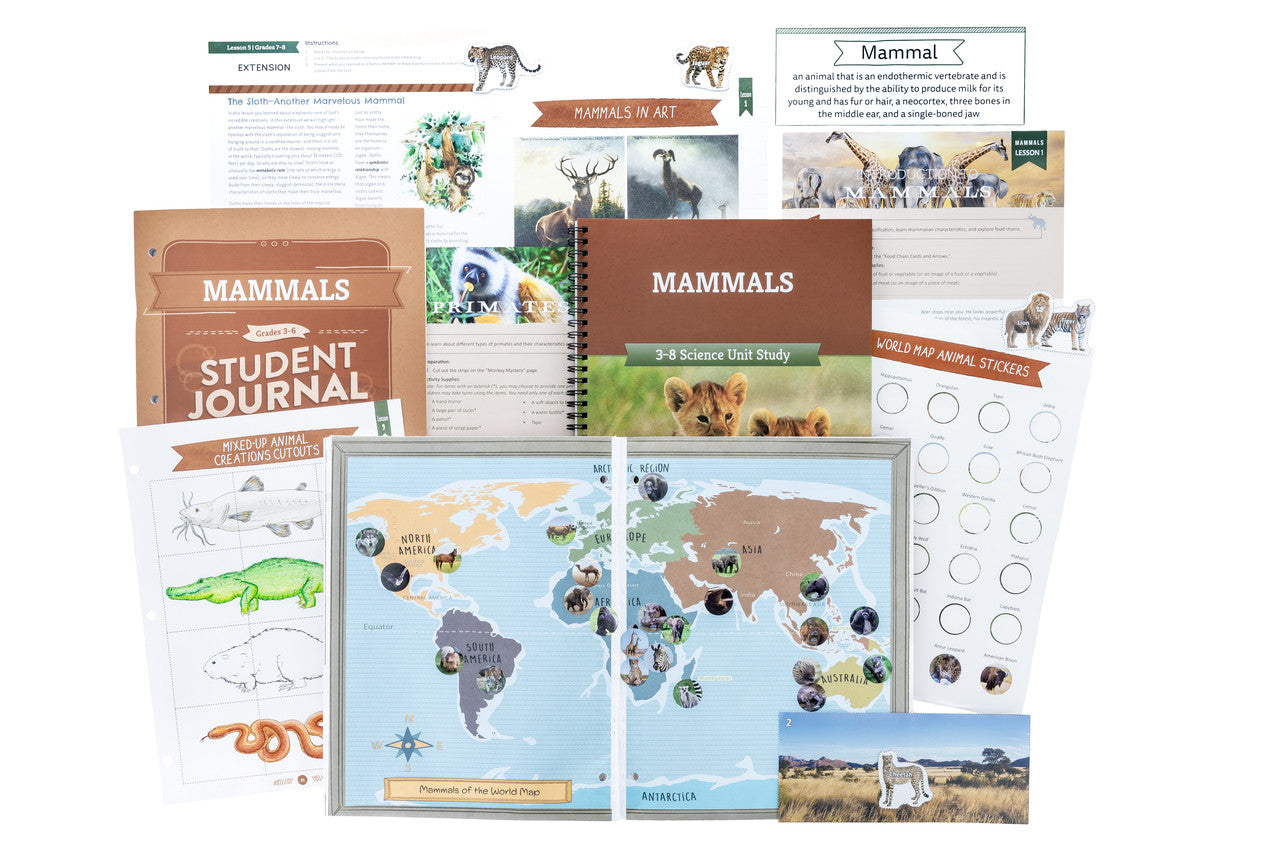
- Student Workbook: Comprehensive lessons and activity instructions
- Field Guide: Identification charts for common mammals
- Observation Journals: Tools for recording animal observations
- Research Templates: Structured formats for animal reports
Required Supplies
- Observation Tools: Binoculars, magnifying glasses, cameras
- Documentation Materials: Notebooks, colored pencils, sketch pads
- Reference Books: Mammal field guides and identification books
- Art Supplies: For creating scientific illustrations and displays
Optional Enhancements
- Live Animal Observations: Visits to zoos, wildlife centers, or nature areas
- Guest Speakers: Wildlife biologists, veterinarians, or conservation experts
- Advanced Equipment: Digital cameras, recording devices for animal sounds
- Field Trips: Natural history museums, wildlife refuges, or research facilities
Course Structure Details
1. Introduction to Mammals
Time: 2-3 weeks Content:
- What makes an animal a mammal
- Basic mammalian characteristics (hair, warm-blooded, milk production)
- Comparison with other animal groups
- Overview of mammalian diversity
2. Mammalian Classification
Time: 3-4 weeks Content:
- Taxonomic hierarchy and classification systems
- Major mammalian orders (primates, carnivores, herbivores, etc.)
- Family and species relationships
- Scientific naming conventions
3. Anatomy and Physiology
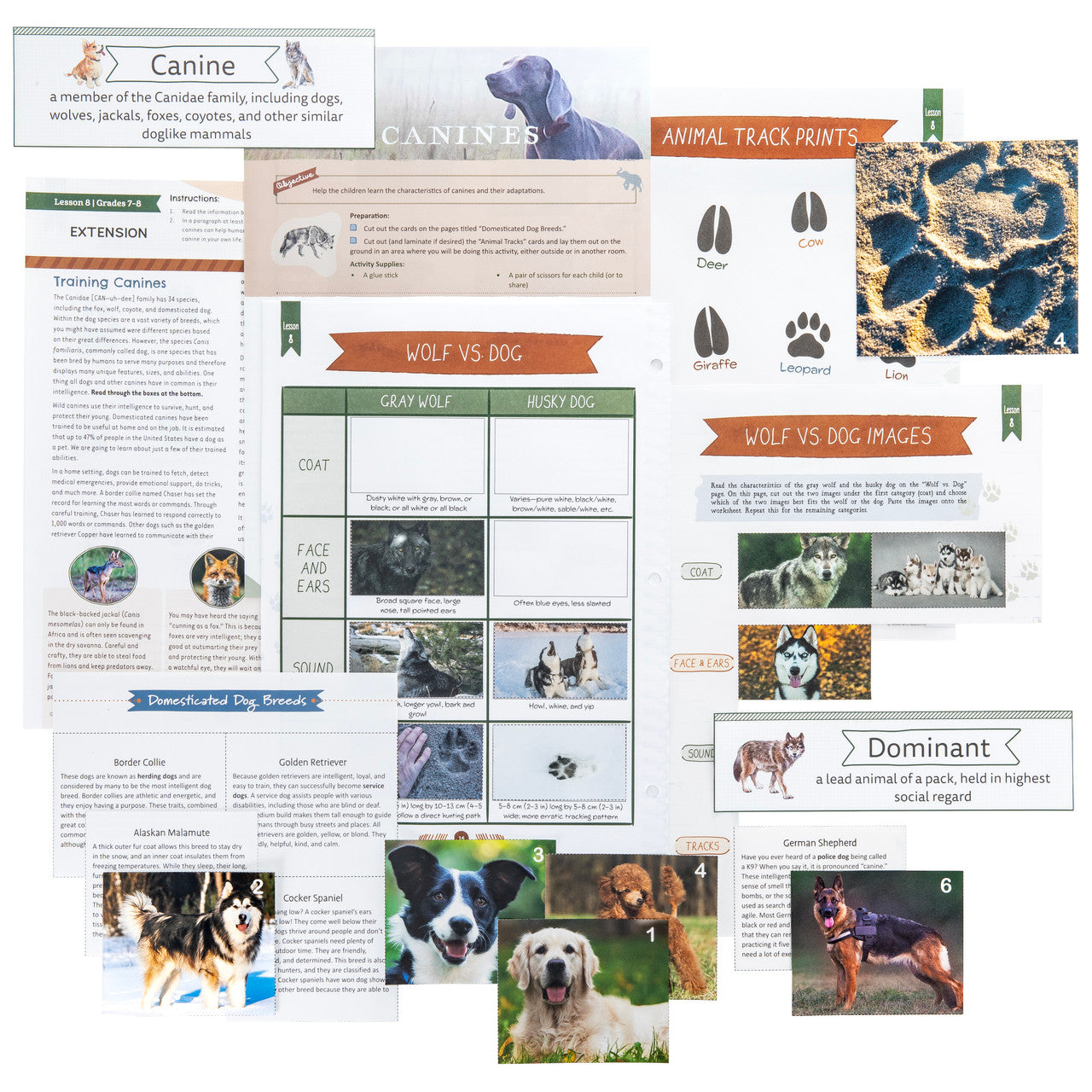
Time: 4-5 weeks Content:
- Skeletal and muscular systems
- Circulatory and respiratory systems
- Digestive adaptations for different diets
- Nervous system and sensory abilities
4. Behavior and Adaptations
Time: 3-4 weeks Content:
- Feeding behaviors and dietary adaptations
- Social structures and communication
- Reproduction and parental care
- Migration and seasonal behaviors
5. Habitats and Ecosystems
Time: 3-4 weeks Content:
- Terrestrial mammalian habitats
- Aquatic and semi-aquatic mammals
- Arboreal (tree-dwelling) mammals
- Underground and cave-dwelling mammals
6. Conservation and Human Impact
Time: 2-3 weeks Content:
- Endangered and threatened mammalian species
- Human impact on mammalian populations
- Conservation success stories
- How students can help protect mammals
Study Projects
Animal Research Reports
- Species Profiles: In-depth study of specific mammalian species
- Habitat Analysis: Examining mammalian environments and needs
- Behavioral Studies: Observing and documenting animal behaviors
- Conservation Reports: Researching threatened species and protection efforts
Hands-On Activities
- Mammal Tracking: Learning to identify animal tracks and signs
- Habitat Modeling: Creating dioramas of mammalian environments
- Feeding Studies: Analyzing mammalian diets and feeding adaptations
- Classification Games: Organizing mammals by characteristics and relationships
Field Study Opportunities
Local Wildlife Observation
- Backyard Mammals: Studying common local species
- Park and Nature Center Visits: Observing mammals in protected areas
- Urban Wildlife: Understanding mammals in human environments
- Seasonal Changes: Documenting how mammals respond to seasonal changes
Educational Excursions
- Zoo Visits: Studying mammals from around the world
- Wildlife Rehabilitation Centers: Learning about animal care and conservation
- Natural History Museums: Examining mammalian specimens and exhibits
- Research Facilities: Meeting with mammalian biologists and researchers
Course Availability
- Free Resources: Available through The Good and the Beautiful website
- Physical Copies: Printed materials available for purchase
- Digital Access: Online resources and supplementary materials
- Local Adaptation: Materials designed to work with local mammalian fauna
Notes
- Designed for both homeschool and classroom environments
- Emphasizes direct observation and hands-on learning
- Adaptable to any geographic region and local mammalian species
- Integrates scientific study with character development
- Encourages family involvement in nature study and conservation
- Develops both scientific knowledge and appreciation for creation
- Prepares students for advanced biological studies
Links
- The Good and the Beautiful Official Website
- Science Unit Studies
- Contact publisher for current availability and detailed curriculum information
- Local wildlife organizations and mammalian research institutions