Health and the Physical Body: 3-8 Science Unit Study
Basic Information
- Title: Health and the Physical Body
- Subtitle: 3-8 Science Unit Study
- Subject: Health Science/Human Biology
- Grade Level: 3-8 (Ages 8-14)
- Type: Science Unit Study
- Series: The Good and the Beautiful Science Series
- Publisher: The Good and the Beautiful
Description
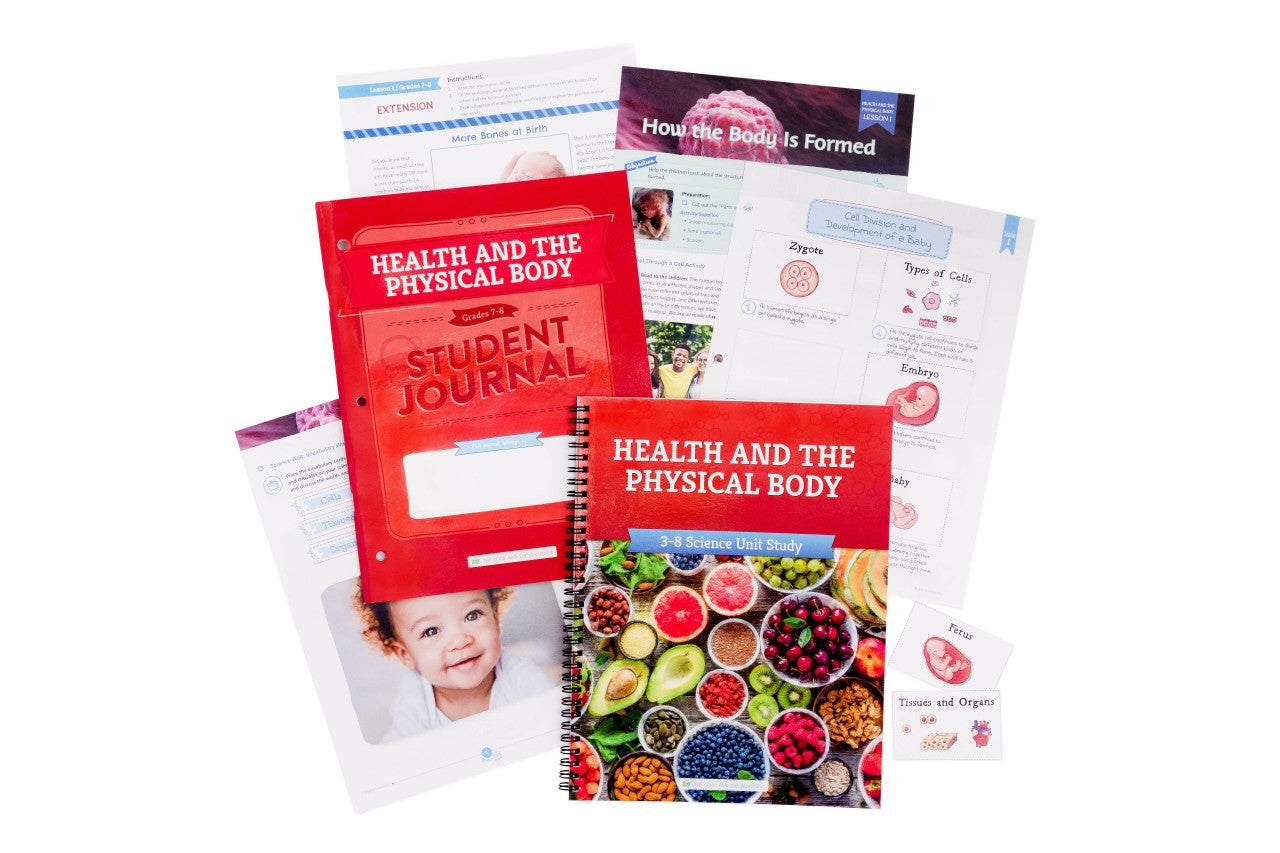
Health and the Physical Body: 3-8 Science Unit Study is a comprehensive educational program that explores human anatomy, physiology, and health practices. This unit study provides students with a thorough understanding of how the human body works while emphasizing the importance of maintaining physical health through proper nutrition, exercise, and healthy lifestyle choices.
Content Areas
This comprehensive health science unit covers:
- Human Anatomy: Structure and organization of body systems
- Physiology: How body systems function and work together
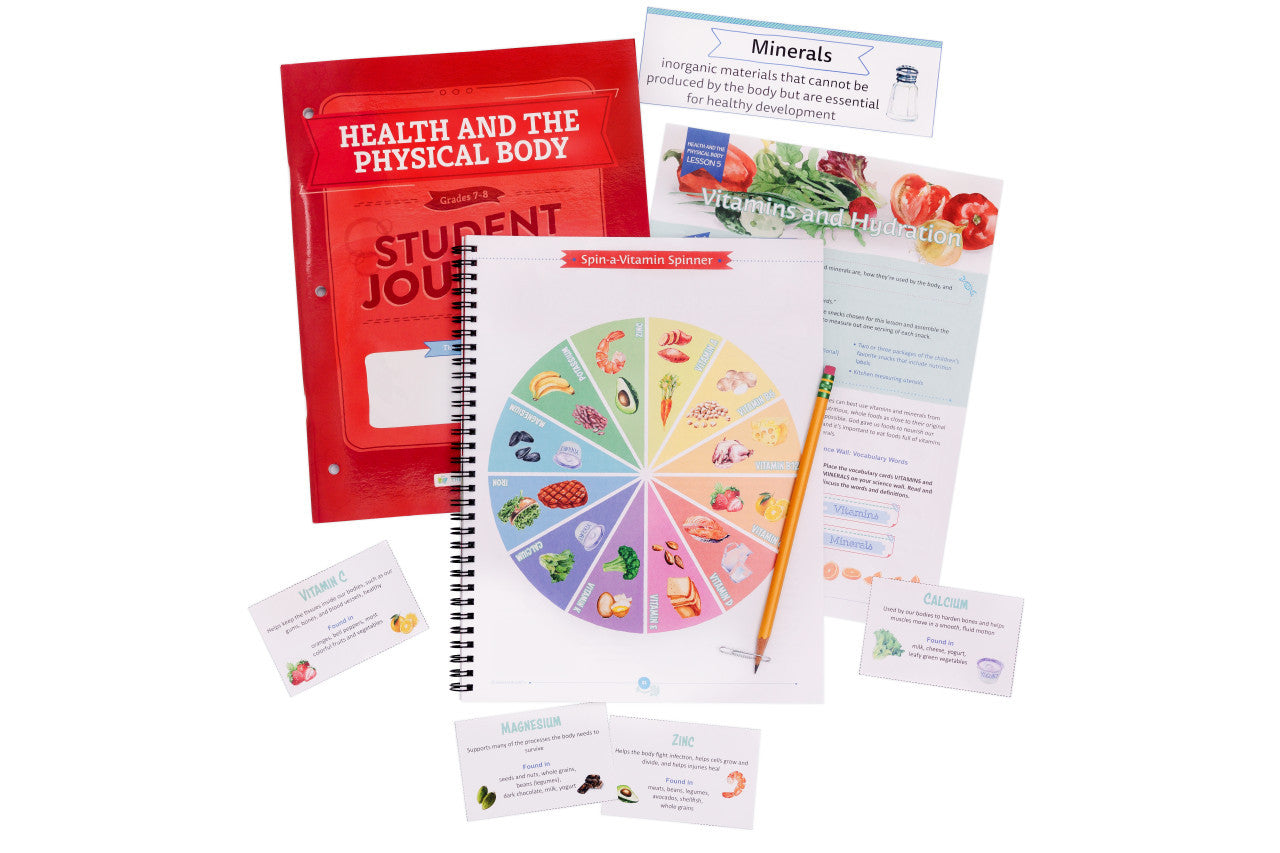
- Nutrition: Proper diet and nutritional needs
- Exercise and Fitness: Physical activity and body strength
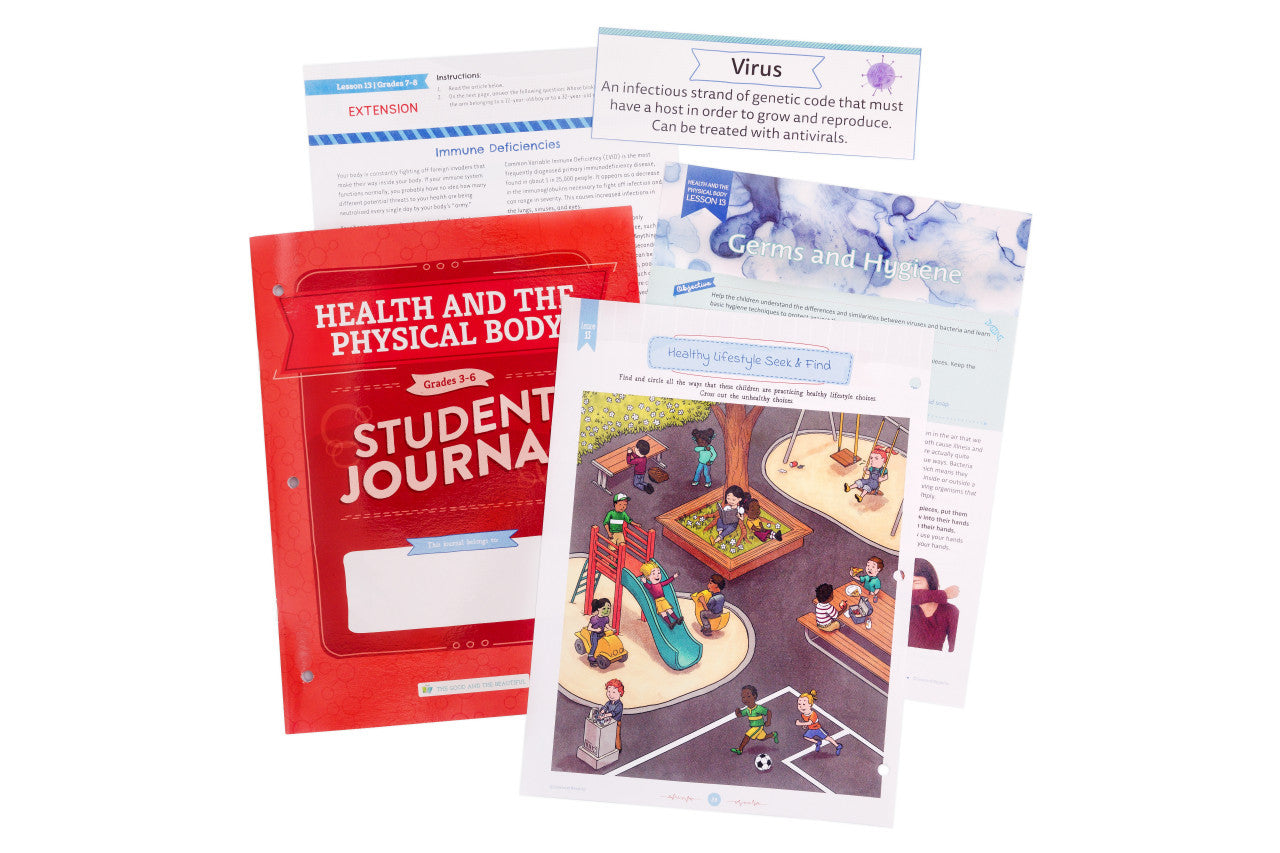
- Disease Prevention: Immune system and health maintenance
- Growth and Development: Physical changes throughout life
- Health Habits: Daily practices for optimal health
- Body Care: Hygiene and personal health maintenance
Educational Approach
- Format: Unit study with structured lessons and hands-on activities
- Target Audience: Students in grades 3-8 (typically ages 8-14)
- Learning Style: Scientific exploration with practical health application
- Assessment: Includes projects, demonstrations, and health evaluations
- Hands-On Learning: Body system models, experiments, and health assessments
- Character Integration: Stewardship of the body and health responsibility
Course Structure
Unit Components
The curriculum comprises comprehensive study of body systems:
- Skeletal System: Bones, joints, and structural support
- Muscular System: Muscles, movement, and strength
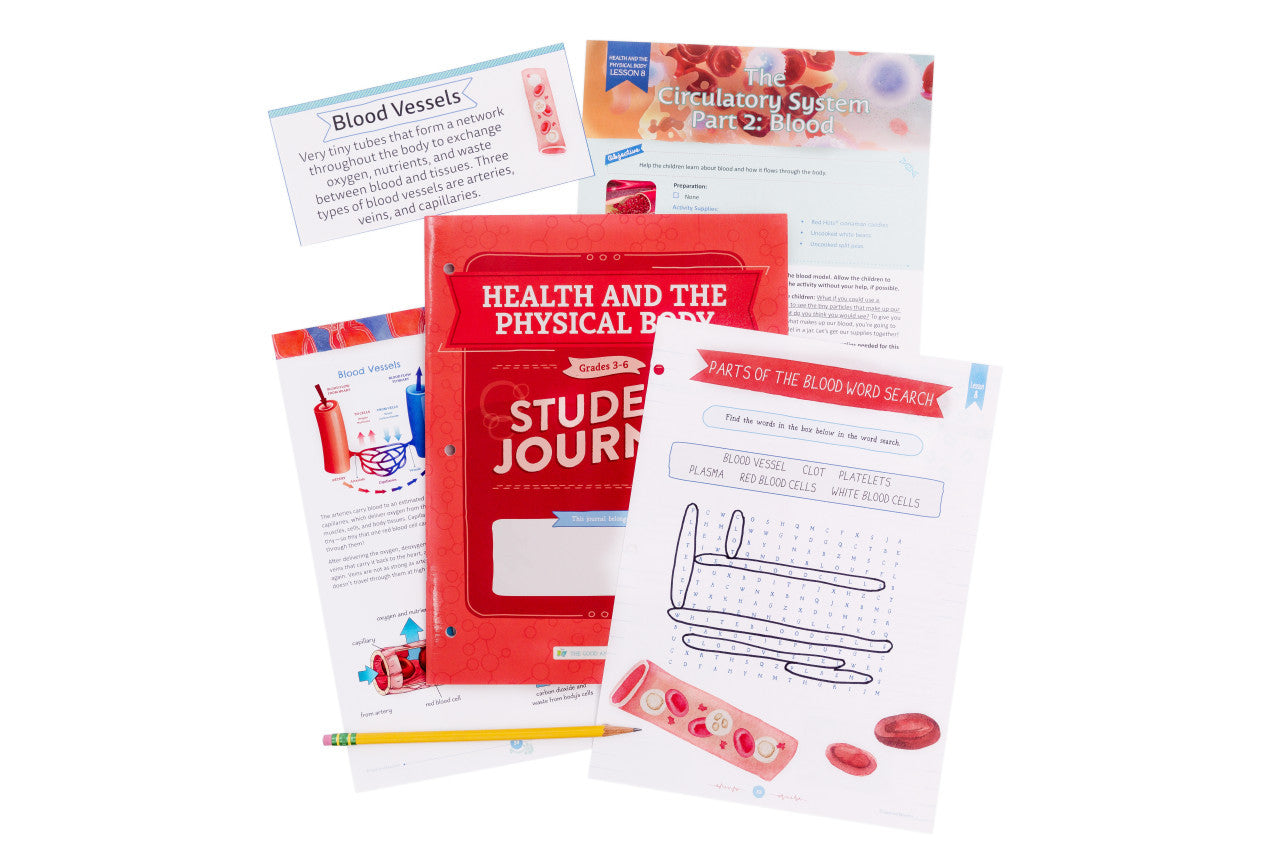
- Circulatory System: Heart, blood, and circulation
- Respiratory System: Lungs, breathing, and oxygen transport
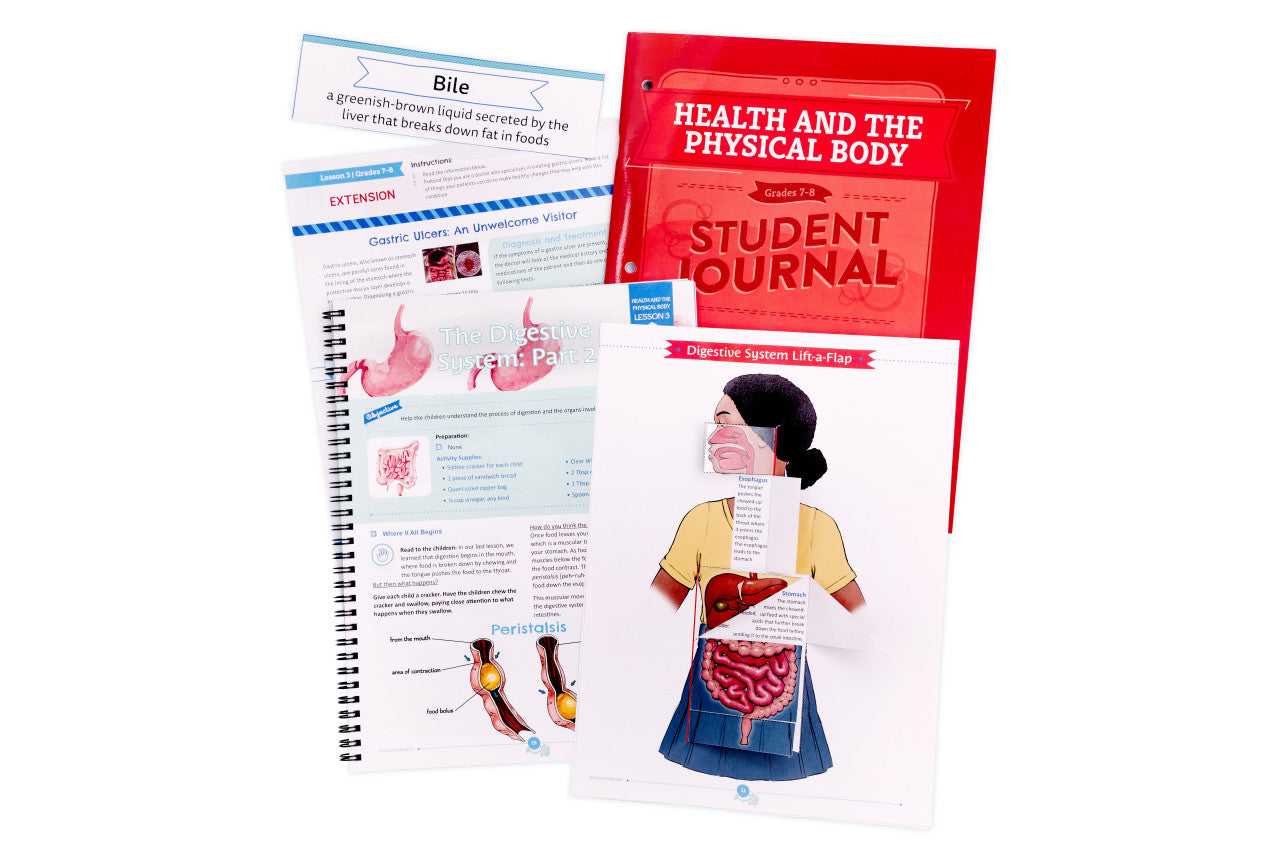
- Digestive System: Nutrition processing and metabolism
- Nervous System: Brain, nerves, and body communication
Lesson Components
- Anatomical Study: Structure and organization of body systems
- Physiological Functions: How systems work and interact
- Health Practices: Application of health principles
- Hands-On Activities: Models, experiments, and demonstrations
- Health Assessments: Personal health evaluation and planning
Educational Benefits
Scientific Understanding
- Body Literacy: Comprehensive understanding of human anatomy and physiology
- Health Awareness: Knowledge of factors affecting physical health
- Scientific Method: Observation and analysis of biological processes
- System Thinking: Understanding interconnections between body systems
Personal Development
- Health Responsibility: Personal accountability for physical health
- Healthy Habits: Development of positive health practices
- Body Appreciation: Respect and care for the human body
- Decision Making: Informed choices about health and lifestyle
- Self-Care: Skills for maintaining personal health
Additional Materials and Resources
Included Materials
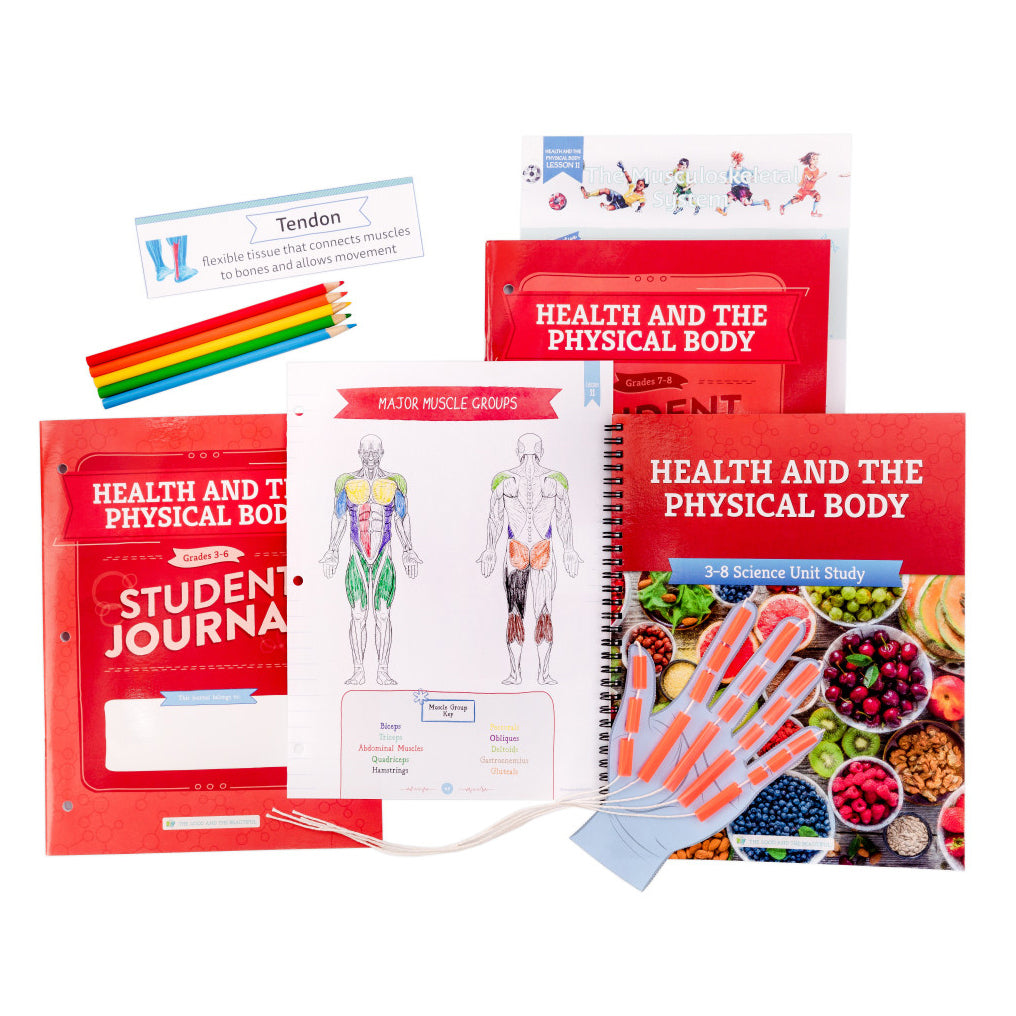
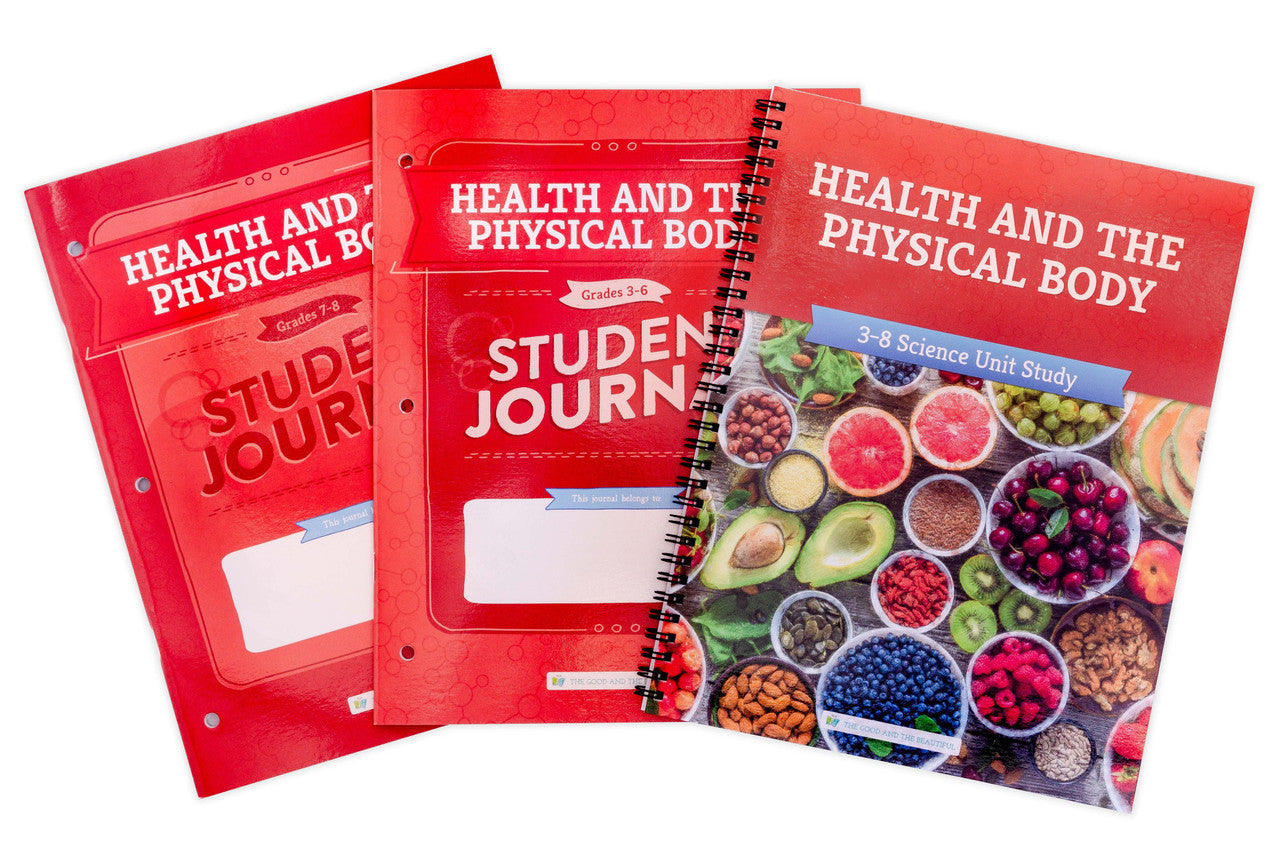
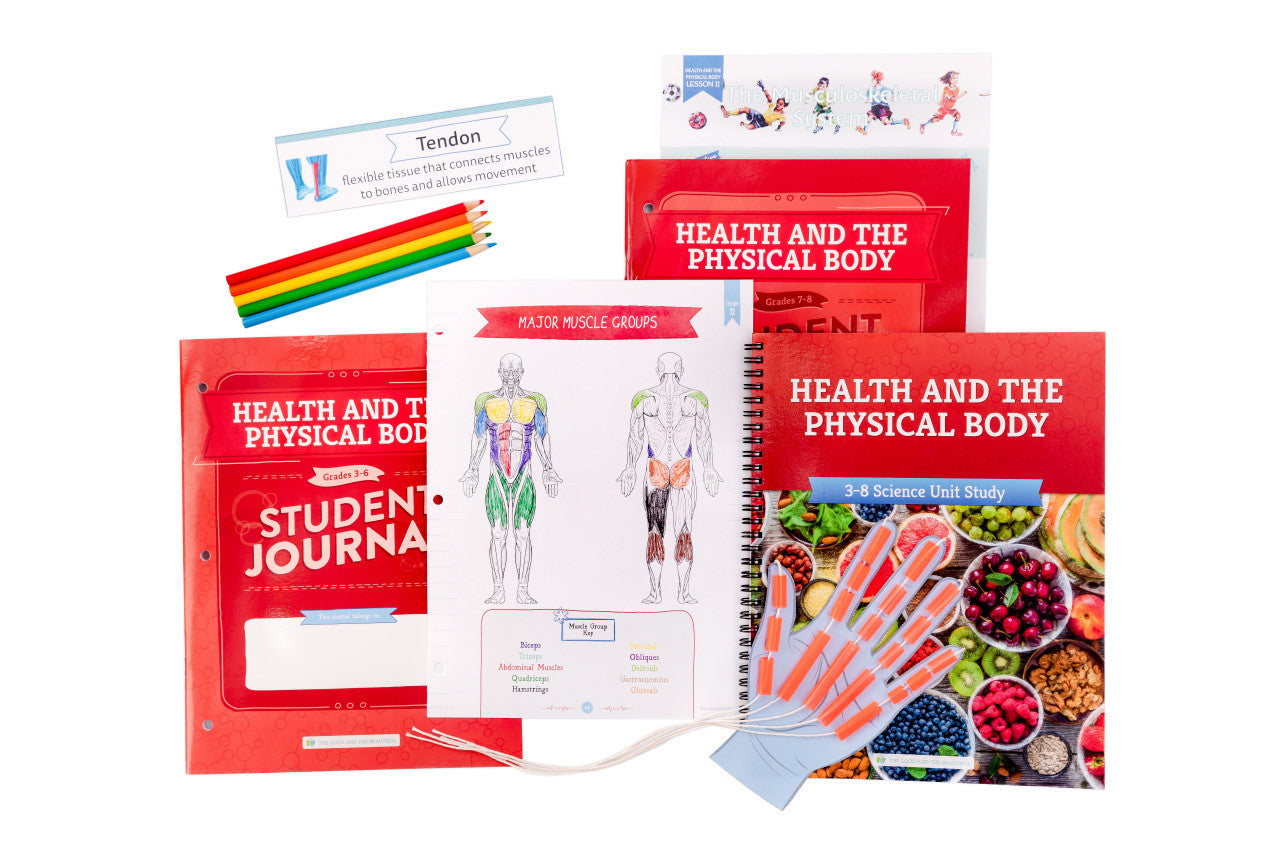
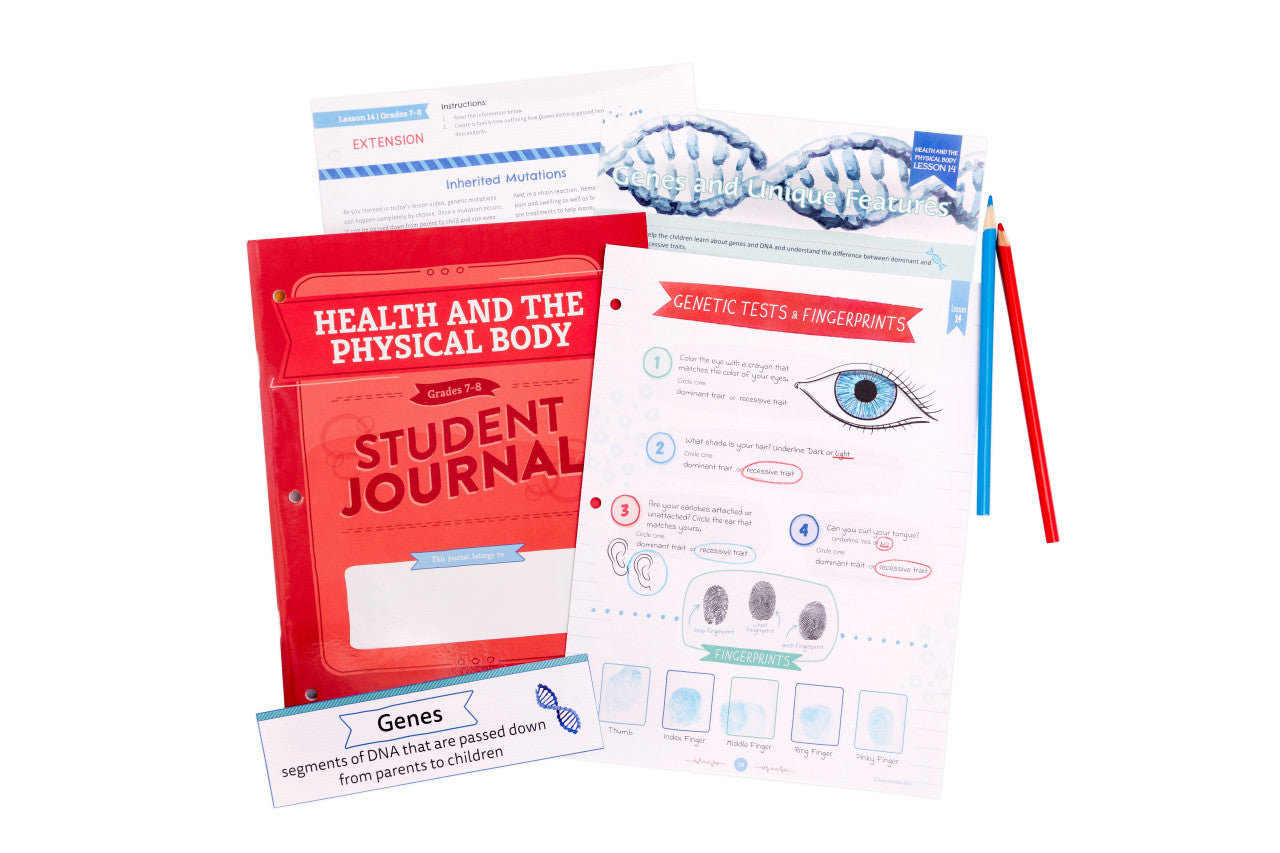
- Student Workbook: Comprehensive lessons and activities
- Anatomy Diagrams: Detailed illustrations of body systems
- Health Charts: Tracking tools for personal health assessment
- Activity Guides: Hands-on experiments and demonstrations
Required Supplies
- Basic School Supplies: Notebook, pencils, colored pencils
- Art Materials: For creating anatomical diagrams and models
- Measurement Tools: Rulers, measuring tape, scale
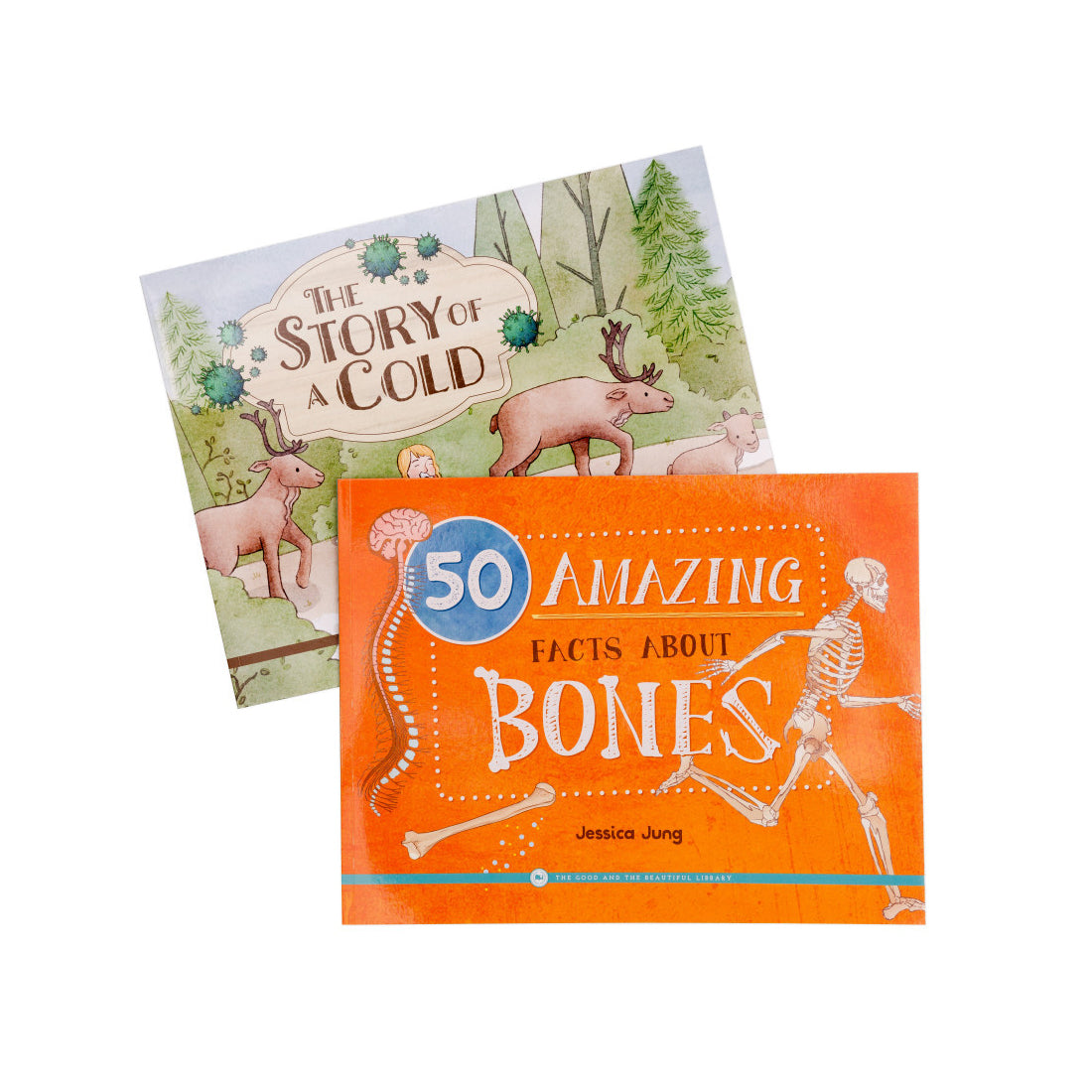
- Reference Books: Age-appropriate anatomy and health books
Optional Enhancements
- Anatomical Models: 3D models of body systems and organs
- Health Monitoring Tools: Heart rate monitors, fitness trackers
- Educational Videos: Supplementary content on body systems
- Field Trips: Medical facilities, health centers, or science museums
Course Structure Details
1. Introduction to the Human Body
Time: 2-3 weeks Content:
- Body organization and systems overview
- Cells, tissues, organs, and systems
- Basic anatomical terminology
- Body maintenance and care
2. Skeletal and Muscular Systems
Time: 3-4 weeks Content:
- Bone structure and function
- Joint types and movement
- Muscle types and function
- Exercise and physical fitness
3. Circulatory and Respiratory Systems
Time: 3-4 weeks Content:
- Heart structure and function
- Blood circulation and components
- Lung structure and breathing
- Cardiovascular health and exercise
4. Digestive and Excretory Systems
Time: 3-4 weeks Content:
- Digestive organs and processes
- Nutrition and metabolism
- Waste removal and kidney function
- Healthy eating and hydration
5. Nervous and Endocrine Systems
Time: 2-3 weeks Content:
- Brain and nervous system function
- Sensory organs and perception
- Hormones and growth
- Mental and physical health connections
Health and Wellness Integration
Nutrition Education
- Balanced Diet: Understanding food groups and nutritional needs
- Meal Planning: Creating healthy meal and snack options
- Food Safety: Proper food handling and preparation
- Special Diets: Understanding dietary restrictions and preferences
Physical Fitness
- Exercise Types: Cardiovascular, strength, and flexibility training
- Fitness Assessment: Measuring and tracking physical fitness
- Sports and Activities: Exploring various forms of physical activity
- Safety Practices: Injury prevention and proper exercise techniques
Course Availability
- Free Resources: Available through The Good and the Beautiful website
- Physical Copies: Printed materials available for purchase
- Digital Access: Online resources and supplementary materials
- Family Integration: Materials designed for family health education
Notes
- Designed for both homeschool and classroom environments
- Emphasizes practical application of health knowledge
- Age-appropriate introduction to human biology and health
- Integrates scientific learning with personal health responsibility
- Encourages family involvement in health and wellness practices
- Adaptable to various learning styles and health needs
- Promotes lifelong healthy habits and body stewardship
Links
- The Good and the Beautiful Official Website
- Science Unit Studies
- Contact publisher for current availability and detailed curriculum information
- Health and wellness resources for families and educators