Language Arts & Literature: Level Five
Basic Information
- Title: Language Arts & Literature
- Subtitle: Level Five
- Subject: English Language Arts
- Grade Level: 5
- Type: Course Book/Curriculum
- Series: The Good and the Beautiful Language Arts Series
- Publisher: The Good and the Beautiful Curriculum
Description
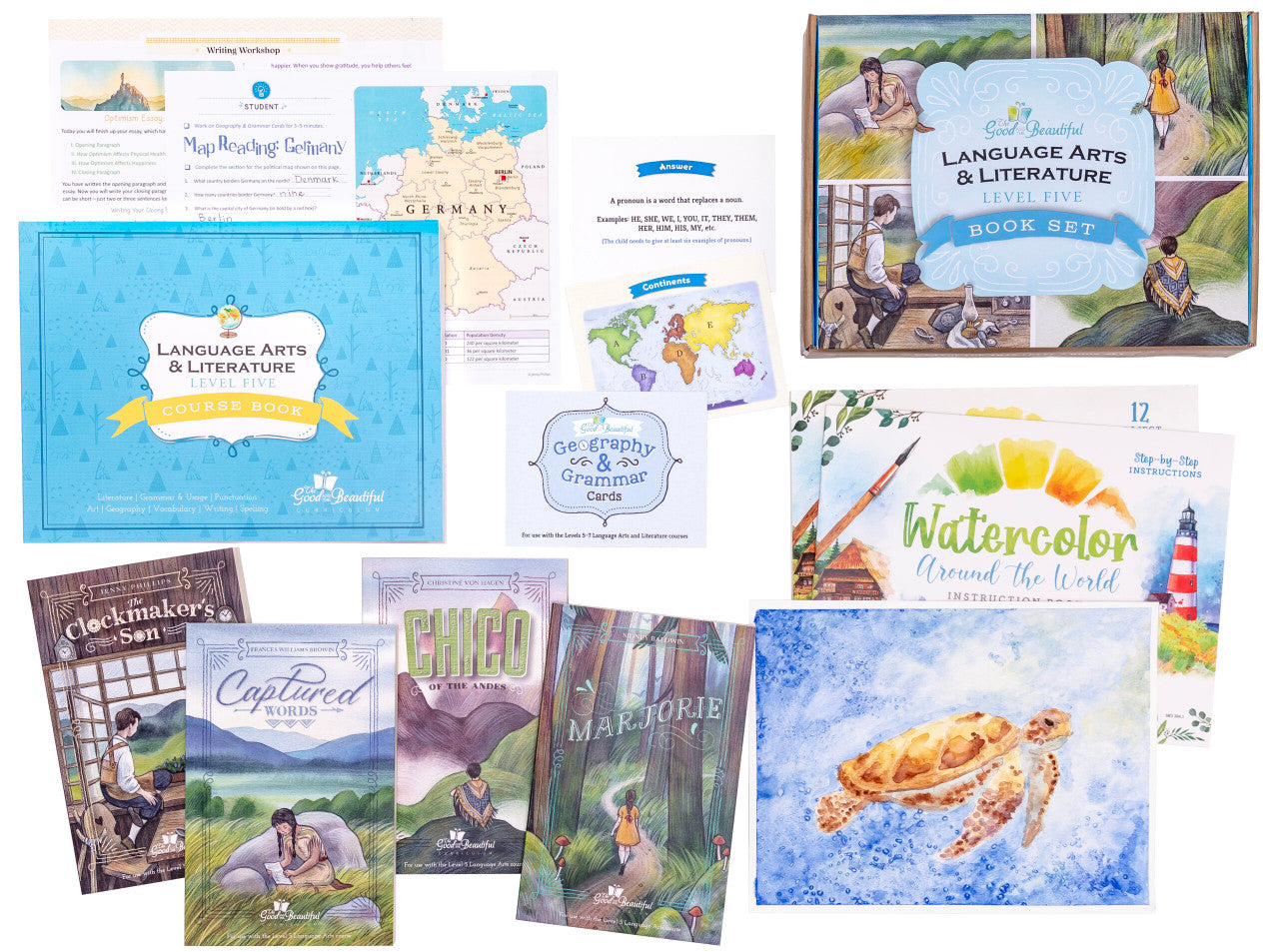
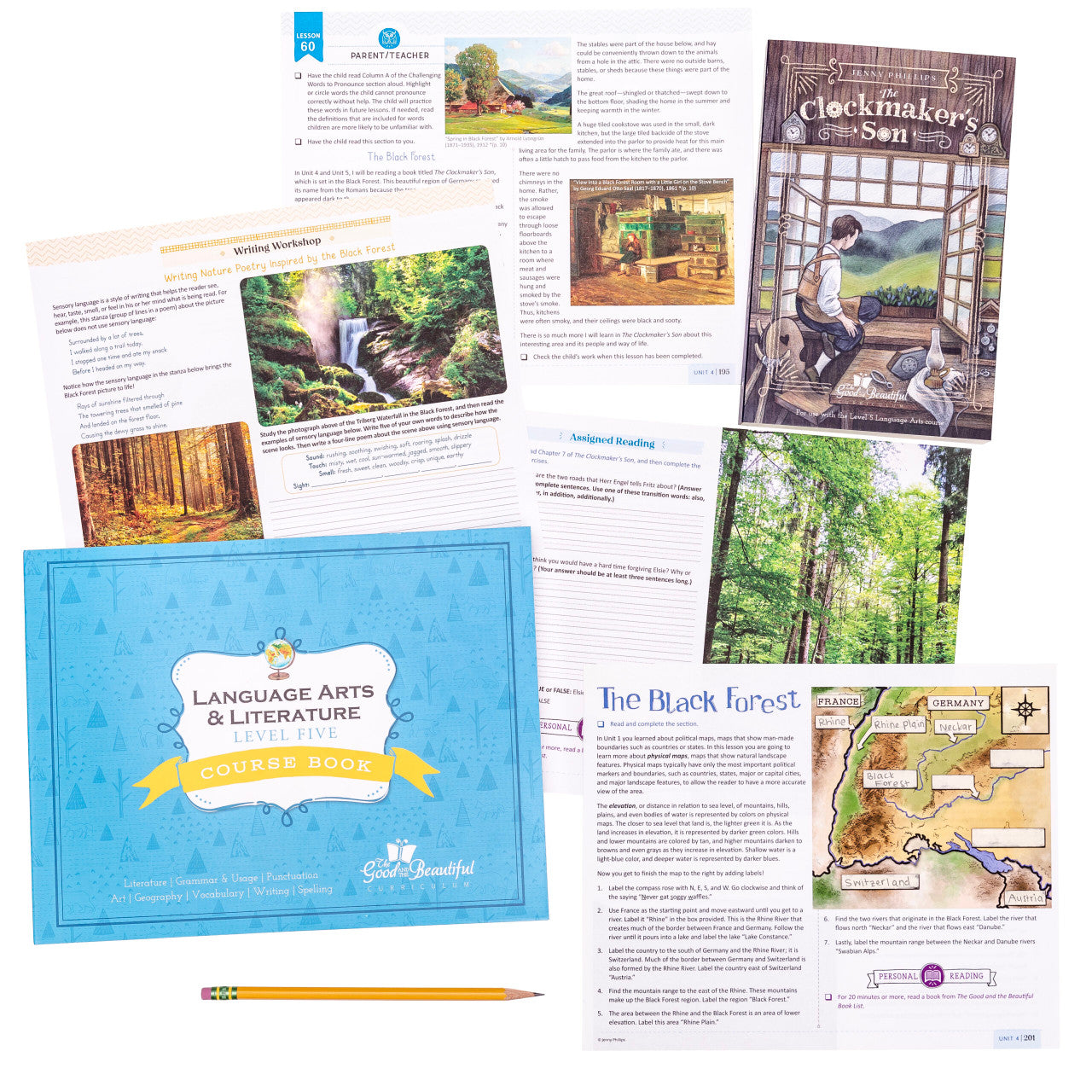
Language Arts & Literature: Level Five is a comprehensive English curriculum designed to build foundational skills in reading, writing, grammar, and critical thinking through the study of quality literature and engaging writing assignments. This curriculum emphasizes character development alongside academic excellence, integrating beauty, truth, and goodness into all learning experiences while preparing students for more advanced language arts study.
Content Areas
This comprehensive fifth-grade language arts course covers:
- Literature Study: Age-appropriate classic and contemporary works
- Reading Comprehension: Developing advanced reading skills and analysis
- Grammar & Usage: Foundational grammar concepts and proper usage
- Writing: Various forms including narrative, descriptive, and informational writing
- Vocabulary: Systematic vocabulary development and word study
- Spelling: Spelling patterns, rules, and word origins
- Speaking & Listening: Oral communication and listening skills
- Critical Thinking: Analysis and evaluation of ideas and texts
Educational Approach
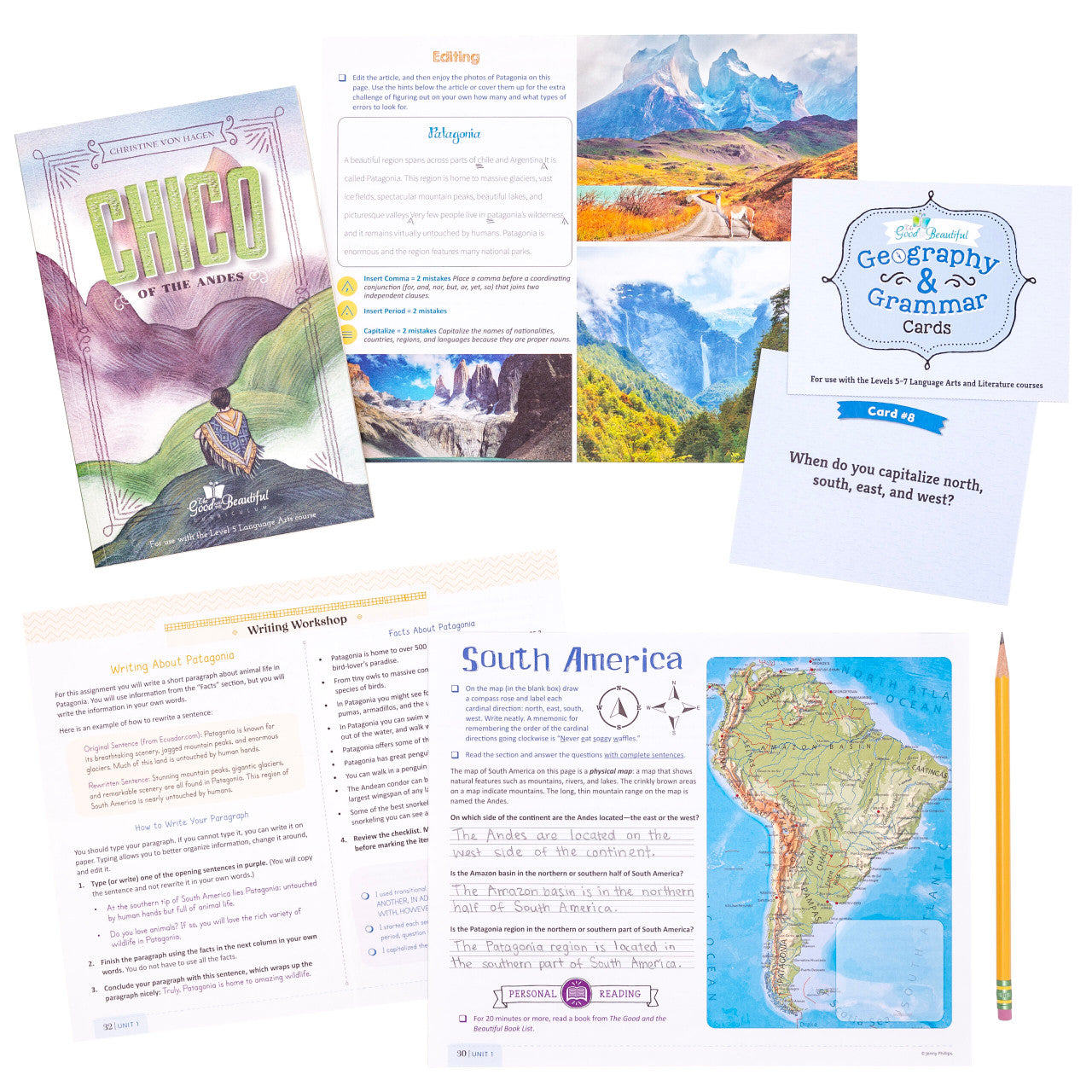
- Format: Course book with integrated lessons and activities
- Target Audience: Fifth-grade students (typically ages 10-11)
- Learning Style: Literature-based with integrated language arts components
- Assessment: Includes writing assignments, reading comprehension, and grammar exercises
- Character Integration: Moral and ethical development through literature
- Skill Building: Progressive development of language arts abilities
Course Structure
Course Components
The curriculum integrates all language arts components:
- Literature Analysis: Study of literary works and reading comprehension
- Writing Instruction: Systematic development of writing skills
- Grammar Practice: Application of grammar rules in meaningful contexts
- Vocabulary Building: Expansion of word knowledge and usage
- Communication Skills: Speaking, listening, and presentation development
Lesson Components
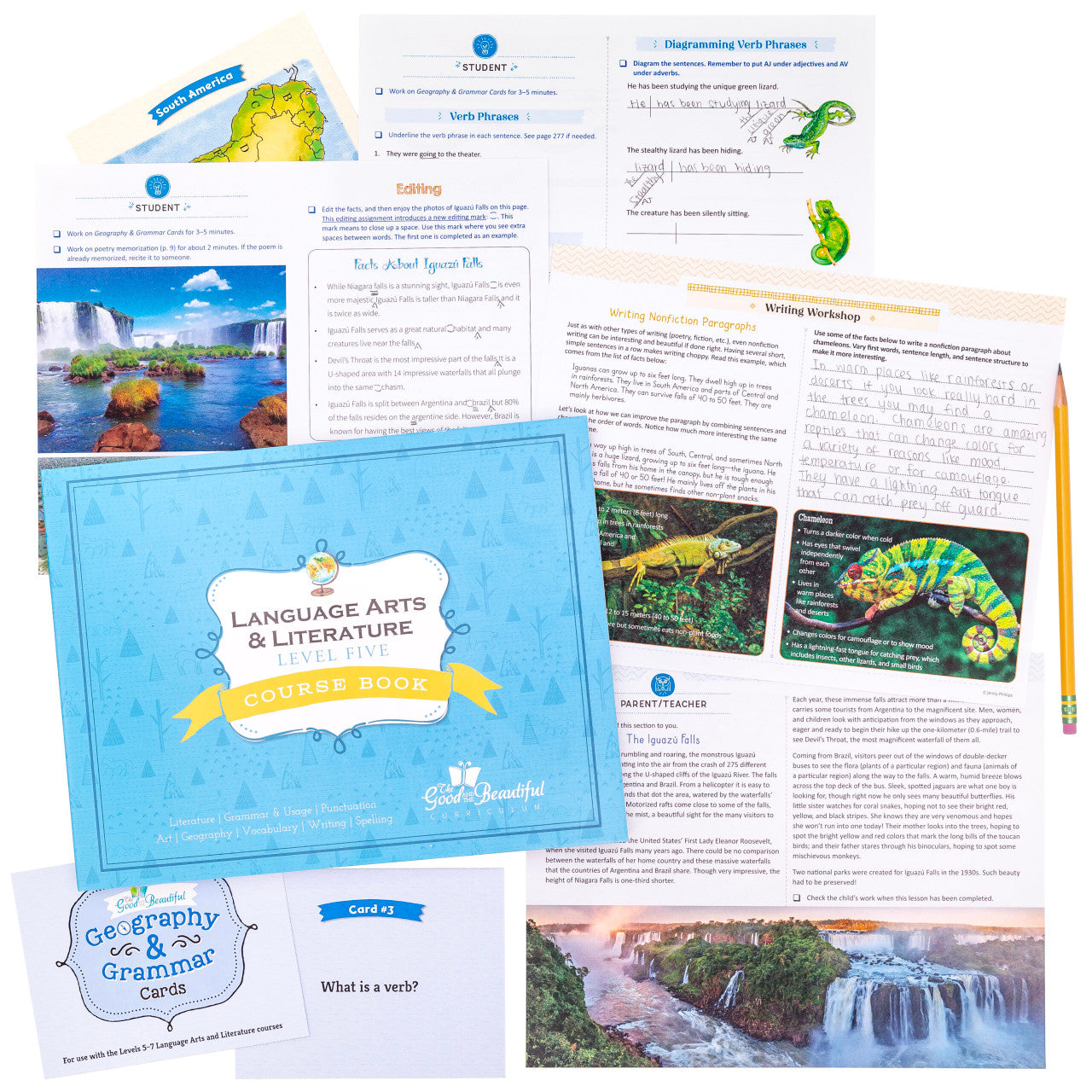
- Literature Reading: Guided reading of quality literary selections
- Writing Practice: Regular writing assignments and skill development
- Grammar Instruction: Systematic grammar teaching and application
- Vocabulary Study: Word meanings, origins, and proper usage
- Discussion Activities: Literary analysis and critical thinking exercises
Educational Benefits
Academic Skills
- Reading Proficiency: Strong reading comprehension and analysis abilities
- Writing Competence: Clear, organized communication in various formats
- Grammar Foundation: Solid understanding of English grammar principles
- Vocabulary Growth: Rich vocabulary for effective communication
- Critical Thinking: Analysis and evaluation of ideas and information
Character Development
- Moral Understanding: Learning right and wrong through literature
- Cultural Awareness: Exposure to important literary works and ideas
- Empathy Building: Understanding different perspectives and experiences
- Beauty Recognition: Appreciation of literary and artistic excellence
- Truth Discernment: Distinguishing between truth and error in texts
Course Structure Details
1. Literature and Reading Comprehension
Time: Throughout the year Content:
- Classic Literature: Age-appropriate selections from timeless works
- Contemporary Stories: Modern works that reinforce positive values
- Reading Strategies: Comprehension techniques and analysis skills
- Literary Elements: Character, plot, setting, theme, and style
- Genre Study: Fiction, non-fiction, poetry, and drama
2. Writing Development
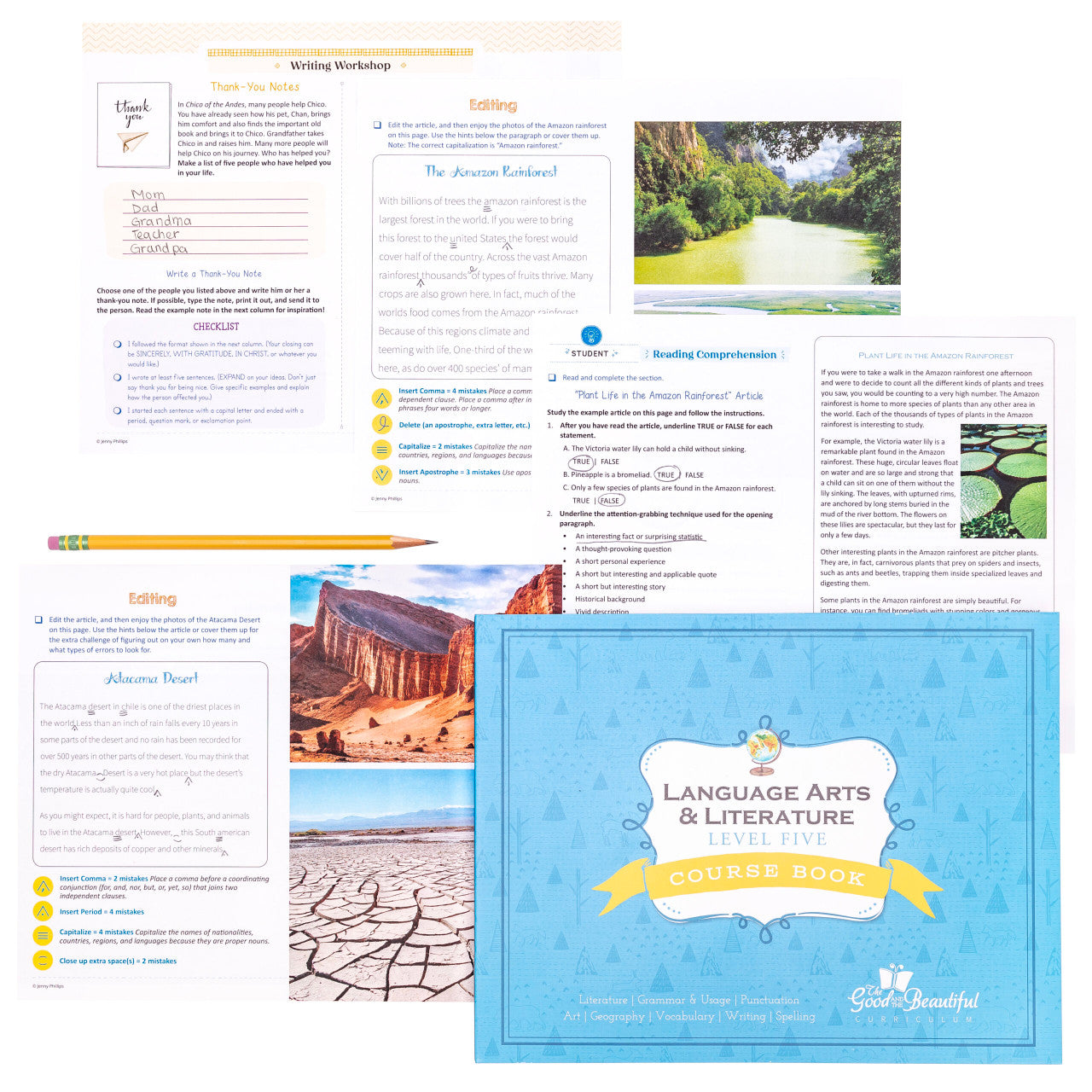
Time: Throughout the year Content:
- Narrative Writing: Personal stories and creative narratives
- Descriptive Writing: Detailed descriptions and sensory language
- Informational Writing: Reports, explanations, and how-to texts
- Opinion Writing: Expressing and supporting personal viewpoints
- Creative Writing: Poetry, stories, and imaginative pieces
3. Grammar and Language Mechanics
Time: Integrated throughout Content:
- Parts of Speech: Nouns, verbs, adjectives, adverbs, and function words
- Sentence Structure: Simple, compound, and complex sentences
- Punctuation: Periods, commas, quotation marks, and other punctuation
- Capitalization: Proper nouns, titles, and beginning of sentences
- Usage: Common errors and proper language conventions
4. Vocabulary and Word Study
Time: Daily integration Content:
- Word Meanings: Definitions and proper usage in context
- Word Origins: Etymology and word history
- Context Clues: Determining meaning from surrounding text
- Synonyms and Antonyms: Word relationships and nuances
- Academic Vocabulary: Subject-specific terminology
5. Speaking and Listening
Time: Integrated activities Content:
- Oral Presentations: Organized speaking and sharing
- Discussion Skills: Respectful conversation and dialogue
- Listening Comprehension: Active listening and response
- Reading Aloud: Fluent and expressive oral reading
- Communication Courtesy: Respectful and kind communication
Literature Selections
Classic Literature Adaptations
- Fairy Tales and Folk Tales: Traditional stories with moral lessons
- Historical Fiction: Stories that bring history to life
- Adventure Stories: Exciting tales that develop character
- Animal Stories: Tales that teach compassion and responsibility
- Biographical Stories: Lives of inspiring historical figures
Contemporary Selections
- Modern Classics: Recent works of lasting value and positive messages
- Character-Building Stories: Tales that promote good choices and values
- Cultural Stories: Works representing diverse backgrounds and experiences
- Nature Stories: Stories that foster appreciation for creation
- Family Stories: Tales that strengthen family bonds and values
Writing Assignments
Regular Writing Practice
- Journal Writing: Daily or weekly reflective writing
- Creative Stories: Original narratives and imaginative tales
- Book Reports: Analysis and summary of literature read
- Research Projects: Information gathering and presentation
- Poetry Writing: Various forms of poetic expression
Writing Process
- Prewriting: Brainstorming, planning, and organizing ideas
- Drafting: Creating initial versions of written work
- Revising: Improving content, organization, and clarity
- Editing: Correcting grammar, spelling, and punctuation
- Publishing: Sharing and celebrating finished work
Additional Materials and Resources
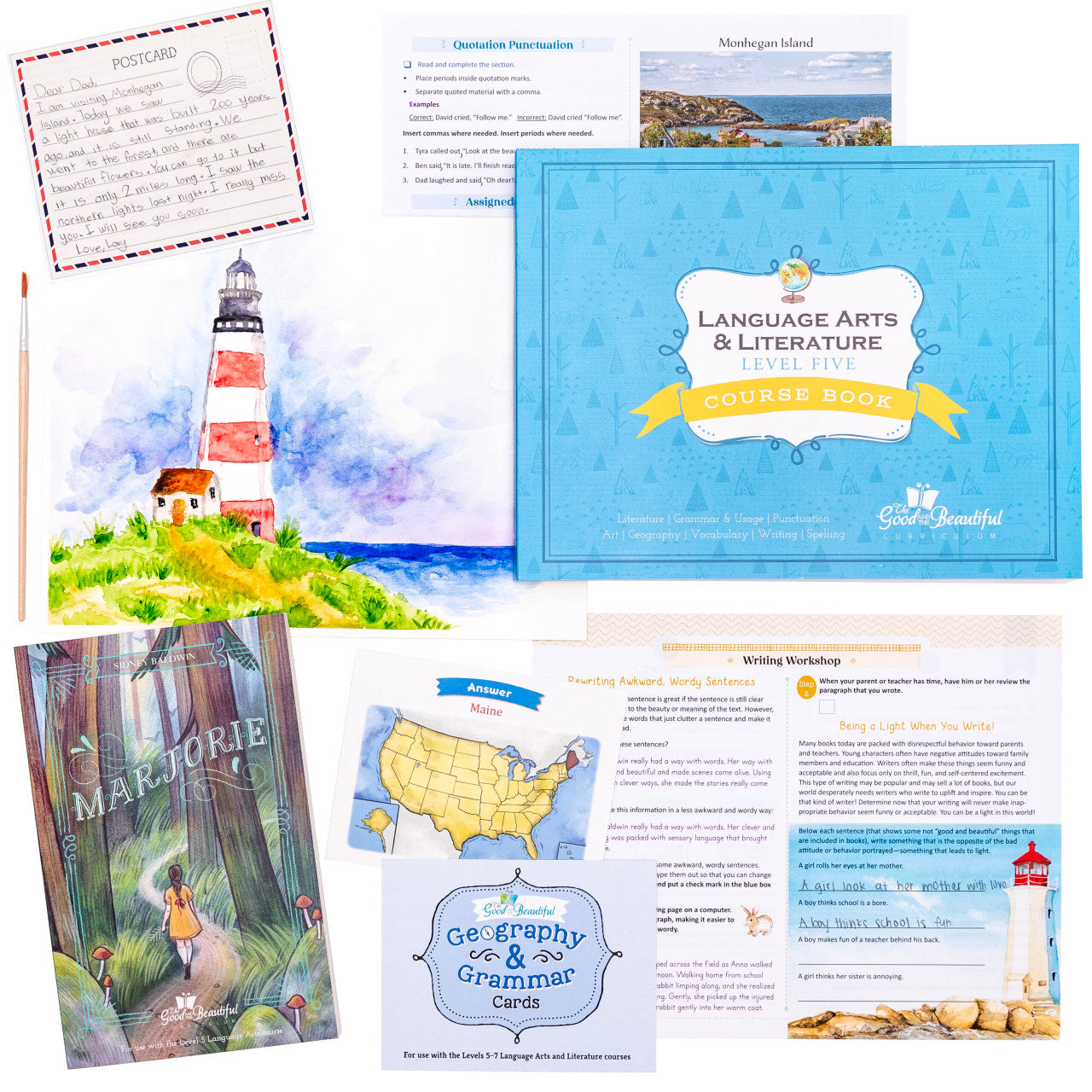
Included Materials
- Course Book: Comprehensive lessons and activities
- Literature Selections: Carefully chosen reading materials
- Writing Templates: Guides and examples for various writing types
- Grammar Handbook: Rules, examples, and practice exercises
Required Supplies
- Writing Materials: Notebooks, pens, pencils, paper
- Reference Books: Age-appropriate dictionary and thesaurus
- Literature Books: Assigned reading materials
- Art Supplies: For creative projects and book illustrations
Optional Enhancements
- Additional Literature: Supplementary reading for enrichment
- Educational Games: Language arts games and activities
- Online Resources: Digital tools for practice and enrichment
- Library Access: Additional books and research materials
Skills Development Timeline
1. Foundation Building (Weeks 1-9)
Focus: Establishing basic skills and routines Content:
- Reading fluency and comprehension strategies
- Basic writing structure and organization
- Fundamental grammar concepts
- Vocabulary building techniques
2. Skill Expansion (Weeks 10-18)
Focus: Developing and practicing skills Content:
- Advanced reading comprehension and analysis
- Extended writing projects and revision
- Complex grammar concepts and application
- Advanced vocabulary and word study
3. Mastery and Application (Weeks 19-27)
Focus: Applying skills in complex contexts Content:
- Independent reading and analysis
- Multi-paragraph writing and research
- Grammar application in writing
- Vocabulary in context and communication
4. Integration and Assessment (Weeks 28-36)
Focus: Demonstrating mastery and preparing for advancement Content:
- Comprehensive reading projects
- Portfolio development and presentation
- Grammar and usage mastery
- Communication skills demonstration
Course Availability
- Free Downloads: Course materials available as free PDF downloads
- Physical Copies: Printed course books available for purchase
- Digital Access: Online resources and supplementary materials
- Support Materials: Teacher guides and answer keys available
Notes
- Designed for both homeschool and classroom environments
- Emphasizes character development alongside academic achievement
- Integrates all language arts components for comprehensive learning
- Encourages family involvement in reading and discussion
- Adaptable to various learning styles and paces
- Prepares students for Level 6 and continued academic success
- Promotes lifelong love of reading and effective communication
- Values-based approach to literature selection and discussion
Links
- The Good and the Beautiful Official Website
- Language Arts Curriculum
- Free Downloads for Level 5
- Contact publisher for current availability and detailed curriculum information
- Educational resources for literature study and writing instruction